Diabetic Retinopathy Therapy in Berhampore
Overview
Diabetic retinopathy is a complication of diabetes that affects the eyes. It is caused by damage to the blood vessels of the retina, which can lead to vision loss and blindness. As diabetes progresses, high blood sugar levels can injure the retina's blood vessels, leading to the condition.
Symptoms
Symptoms of diabetic retinopathy may not be noticeable in the early stages. However, as the disease progresses, individuals may experience:
- Blurred vision
- Floaters or dark spots in vision
- Difficulty seeing at night
- Color perception changes
- Possible complete vision loss
Causes
Diabetic retinopathy develops as a result of prolonged high blood sugar levels that cause damage to the blood vessels in the retina. The two main types of diabetic retinopathy are:
- Nonproliferative diabetic retinopathy (NPDR): Early stage where blood vessels leak fluid and can cause retinal swelling.
- Proliferative diabetic retinopathy (PDR): Advanced stage where new blood vessels grow abnormally on the retina's surface.
Diagnosis
Diagnosis of diabetic retinopathy typically involves a comprehensive eye examination. Techniques used may include:
- Visual acuity testing
- Pupil dilation
- Optical coherence tomography (OCT)
- Fluorescein angiography
Consulting an eye care professional is crucial for early detection and management.
Treatment
Treatment for diabetic retinopathy varies depending on the severity of the condition. Options include:
- Laser therapy: To prevent further vision loss.
- Injections of medications: To reduce swelling and prevent the growth of new blood vessels.
- Surgery: In advanced cases, vitrectomy may be performed to remove blood and scar tissue from the eye.
Individuals should always seek the expertise of Dr. Debabrata Sarkar for personalized treatment options and care.
Lifestyle Advice
To manage diabetes and reduce the risk of diabetic retinopathy, individuals should:
- Maintain blood sugar levels within target range.
- Follow a balanced diet with controlled carbohydrate intake.
- Regularly exercise to improve overall health.
- Monitor blood pressure and cholesterol levels.
- Avoid smoking and limit alcohol consumption.
- Schedule regular eye exams to monitor eye health.
FAQ
1. Can diabetic retinopathy be reversed?
No, while it can be managed and treated, damage from diabetic retinopathy cannot be completely reversed.
2. How often should someone with diabetes get their eyes checked?
It is recommended that individuals with diabetes have a comprehensive eye exam at least once a year.
3. Are there any early signs I should look for?
Be vigilant for changes in vision such as blurriness or floaters, as early signs may be subtle.
4. Can lifestyle changes reduce my risk?
Yes, maintaining good diabetes management through a healthy lifestyle can significantly lower the risk of developing diabetic retinopathy.
For further information and tailored treatment options, always consider consulting with Dr. Debabrata Sarkar.
Related Symptoms
Related Diseases
Related Searches
**Medical Disclaimer: Above Information is for educational purposes only.For emergency, always visit nearest hospital.
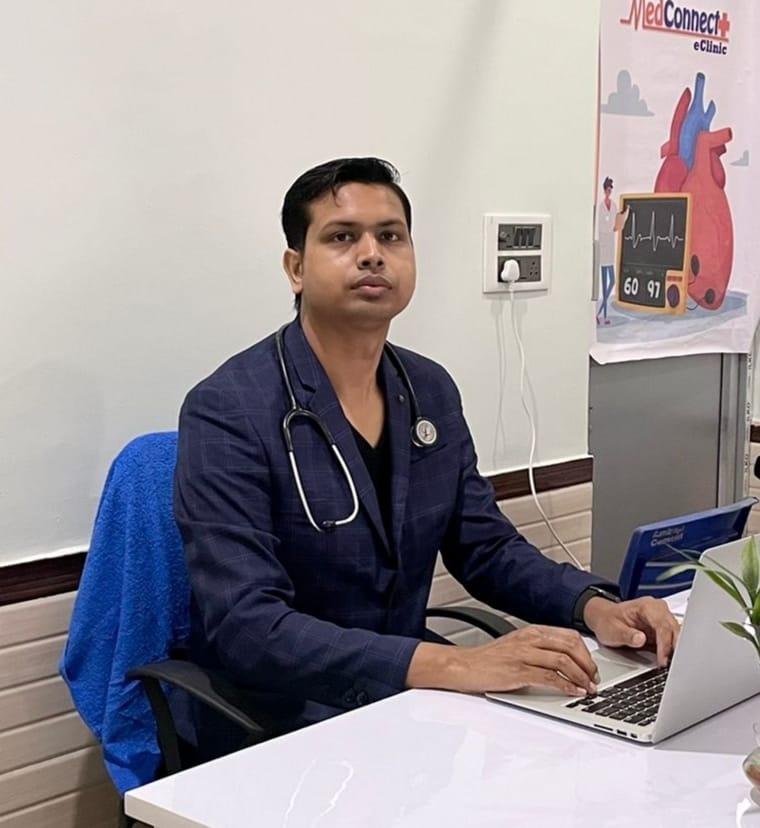
Consult Dr Debabrata Sarkar
M.B.B.S. (W.B.U.H.S.)
Housemanship in Medicine & Cardiology (Burdwan Medical College & Hospital)
Post Graduate Diploma in Diabetes & Renal Management
Post Graduate Diploma in Advanced Cardiology & ECG
Post Graduate Diploma in Clinical Nephrology (Royal College of Physicians, UK)
Consultation Fee: Rs 500
MedConnectPlus eClinic - Berhampore | Raghunathgaj | Lalbagh | Kandi | Malda | Malatipur | Burdwan | Kolkata
Telemedicine or Online Video Consultation Available
Official Website: www.drdsarkar.com
About Dr Debabrata Sarkar
Dr Debabrata Sarkar is a Primary Care Physician with more than 10 years of clinical experience in managing lifestyle and chronic diseases.
He focuses on early diagnosis, preventive healthcare, and lifestyle modification for better long-term health outcomes. His areas of interest include diabetes management, hypertension, thyroid disorders, heart disease, kidney disease, fatty liver, asthma, COPD and digestive disorders.
Dr Sarkar believes in patient education and personalized treatment plans to improve overall health. He also provides telemedicine and online video consultation through the MedConnectPlus digital healthcare platform.
Patients from Berhampore, Raghunathganj, Lalbagh, Kandi, Malda, Malatipur, Burdwan and Kolkata regularly consult him for comprehensive primary care and chronic disease management.