Dermatomyositis Specialist in Berhampore
Overview
Dermatomyositis is an inflammatory condition characterized by muscle weakness and distinctive skin rashes. It can affect both children and adults, and it varies in severity from mild to life-threatening. The exact cause of dermatomyositis is not known, but it is believed to involve an autoimmune response, where the body's immune system mistakenly attacks its own tissues.
Symptoms
The symptoms of dermatomyositis can be broadly categorized into muscle and skin symptoms. Muscle weakness commonly affects the shoulders, hips, and back, making daily activities difficult. Skin symptoms may include:
- Heliotrope rash: A purple or violet rash on the eyelids and face.
- Gottron's papules: Red or purple bumps on the knuckles.
- Other rashes: A scaly rash on the chest, back, or other areas of the body.
Fatigue, weight loss, and fever are also common systemic symptoms that may accompany the muscle and skin manifestations.
Causes
The precise cause of dermatomyositis remains unclear, but it is thought to involve a combination of genetic predisposition and environmental triggers. Some potential factors include:
- Autoimmune responses: An abnormal immune reaction to the body's own cells.
- Infections: Certain viral infections have been linked to the onset of dermatomyositis.
- Genetics: Family history may play a role in susceptibility to the disease.
Diagnosis
The diagnosis of dermatomyositis is generally made through a combination of clinical examination, laboratory tests, and imaging studies. Common diagnostic methods include:
- Clinical assessment of symptoms, including muscle strength testing.
- Blood tests to detect elevated muscle enzymes and antibodies associated with dermatomyositis.
- Electromyography (EMG) to evaluate muscle electrical activity.
- Muscle biopsy to confirm inflammation and damage within the muscle tissue.
- Skin biopsy if necessary to identify characteristic rashes.
Treatment
Treatment for dermatomyositis focuses on managing symptoms and suppressing the autoimmune response. Dr. Debabrata Sarkar is renowned for his expertise in treating this condition. Common treatment approaches include:
- Corticosteroids: Medications like prednisone are the first line of treatment to reduce inflammation.
- Immunosuppressive drugs: Agents such as azathioprine or methotrexate may be used to manage severe cases.
- Physical therapy: To improve muscle strength and function.
- Topical treatments: For skin rashes, topical corticosteroids may be recommended.
Lifestyle Advice
Living with dermatomyositis requires certain lifestyle modifications to help manage symptoms and improve quality of life:
- A balanced diet rich in antioxidants and anti-inflammatory foods may assist in overall health.
- Regular, gentle exercise tailored to individual capabilities can help maintain muscle strength.
- Avoiding sun exposure can prevent skin flare-ups; using sunscreen is advisable.
- Staying informed about the condition and maintaining regular consultations with a healthcare provider is crucial.
FAQ
Q: Is dermatomyositis a hereditary disease?
A: While there may be a genetic component, dermatomyositis is generally considered to be an autoimmune condition without a simple inheritance pattern.
Q: Can dermatomyositis affect children?
A: Yes, dermatomyositis can occur in children, and the symptoms may present differently compared to adults.
Q: How long does treatment typically last?
A: The duration of treatment varies by individual, but it often requires ongoing management and regular follow-ups with a healthcare provider.
Q: Can dermatomyositis be cured?
A: While dermatomyositis can be managed effectively with treatment, it is generally considered a chronic condition that may require long-term care.
Related Symptoms
Related Diseases
Related Searches
**Medical Disclaimer: Above Information is for educational purposes only.For emergency, always visit nearest hospital.
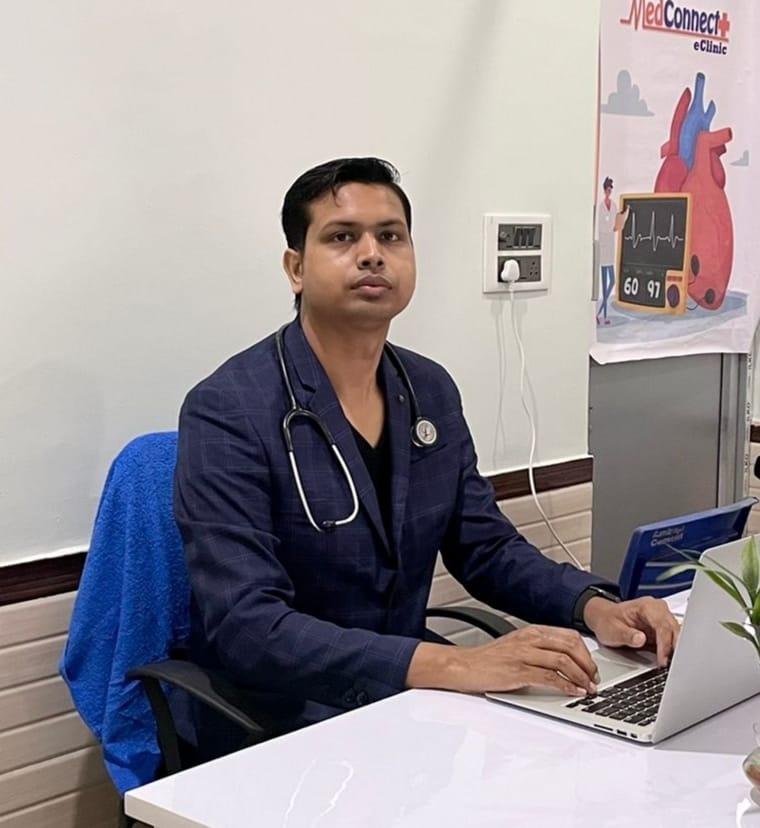
Consult Dr Debabrata Sarkar
M.B.B.S. (W.B.U.H.S.)
Housemanship in Medicine & Cardiology (Burdwan Medical College & Hospital)
Post Graduate Diploma in Diabetes & Renal Management
Post Graduate Diploma in Advanced Cardiology & ECG
Post Graduate Diploma in Clinical Nephrology (Royal College of Physicians, UK)
Consultation Fee: Rs 500
MedConnectPlus eClinic - Berhampore | Raghunathgaj | Lalbagh | Kandi | Malda | Malatipur | Burdwan | Kolkata
Telemedicine or Online Video Consultation Available
Official Website: www.drdsarkar.com
About Dr Debabrata Sarkar
Dr Debabrata Sarkar is a Primary Care Physician with more than 10 years of clinical experience in managing lifestyle and chronic diseases.
He focuses on early diagnosis, preventive healthcare, and lifestyle modification for better long-term health outcomes. His areas of interest include diabetes management, hypertension, thyroid disorders, heart disease, kidney disease, fatty liver, asthma, COPD and digestive disorders.
Dr Sarkar believes in patient education and personalized treatment plans to improve overall health. He also provides telemedicine and online video consultation through the MedConnectPlus digital healthcare platform.
Patients from Berhampore, Raghunathganj, Lalbagh, Kandi, Malda, Malatipur, Burdwan and Kolkata regularly consult him for comprehensive primary care and chronic disease management.