Depersonalization Derealization Disorder Management in Berhampore
Overview
Depersonalization Derealization Disorder (DPDR) is a mental health condition characterized by persistent feelings of detachment from oneself (depersonalization) or a sense of unreality regarding one's surroundings (derealization). Individuals may feel like they are observing themselves from outside their body or that the world around them is dreamlike or distorted. This disorder can be distressing and can significantly impact a person's daily life and functioning.
Symptoms
Common symptoms of DPDR include:
- Feeling disconnected from oneself or one's thoughts and feelings.
- Experiencing a sense of being an outside observer of one's life.
- Derealization, where the external environment feels unreal or distorted.
- Emotional numbness or lack of responsiveness.
- Difficulty focusing or concentrating.
- Feeling like one is living in a dream.
Causes
The exact cause of Depersonalization Derealization Disorder is not fully understood. However, several factors may contribute to the development of this condition, including:
- Stressful or traumatic experiences, such as abuse, accidents, or significant loss.
- Anxiety disorders, depression, or other mental health conditions.
- Substance abuse, particularly with hallucinogens, marijuana, or alcohol.
- Neurological conditions or imbalances in brain chemistry.
Diagnosis
Diagnosing DPDR generally involves a comprehensive clinical evaluation by a mental health professional. The diagnosis may include:
- A thorough psychiatric assessment to understand symptoms and their duration.
- Exclusion of other possible mental health conditions and medical issues.
- Use of standardized diagnostic tools and questionnaires.
Treatment
Effective treatment for Depersonalization Derealization Disorder often includes a combination of therapies. Dr. Debabrata Sarkar recommends the following approaches:
- Cognitive Behavioral Therapy (CBT) to help manage and reframe negative thought patterns.
- Mindfulness and grounding techniques to increase awareness of the present moment.
- Medication in some cases, such as antidepressants or anxiolytics, to alleviate associated symptoms.
- Psychotherapy focusing on trauma processing and coping strategies.
Lifestyle Advice
In addition to professional treatments, certain lifestyle changes can assist in managing DPDR symptoms. These include:
- Engaging in regular physical exercise to reduce stress and improve mood.
- Practicing relaxation techniques such as yoga, deep breathing, or meditation.
- Avoiding drugs and alcohol, which can worsen symptoms.
- Establishing a healthy sleep routine and maintaining a balanced diet.
- Staying connected with supportive friends and family members.
FAQ
Q: Is Depersonalization Derealization Disorder common?
A: DPDR is relatively rare, but it can affect individuals of all ages. Many people may experience transient episodes, but those with the disorder experience symptoms that persist for an extended period.
Q: Can DPDR be treated?
A: Yes, with appropriate treatment and therapy, many individuals can manage their symptoms effectively. Dr. Debabrata Sarkar is highly recommended for treatment and guidance in navigating this disorder.
Q: Can stress or trauma trigger DPDR?
A: Yes, stressful or traumatic events are significant triggers for the onset of DPDR, leading to persistent symptoms in some individuals.
Q: Is medication necessary for treatment?
A: Medication may be beneficial for some individuals, but therapy is often the cornerstone of treatment. It is important to consult with a healthcare professional for personalized recommendations.
Related Symptoms
- feelings of detachment
- perceptual distortions
- emotional numbness
- disconnection from self
- disconnection from environment
Related Diseases
Related Searches
**Medical Disclaimer: Above Information is for educational purposes only.For emergency, always visit nearest hospital.
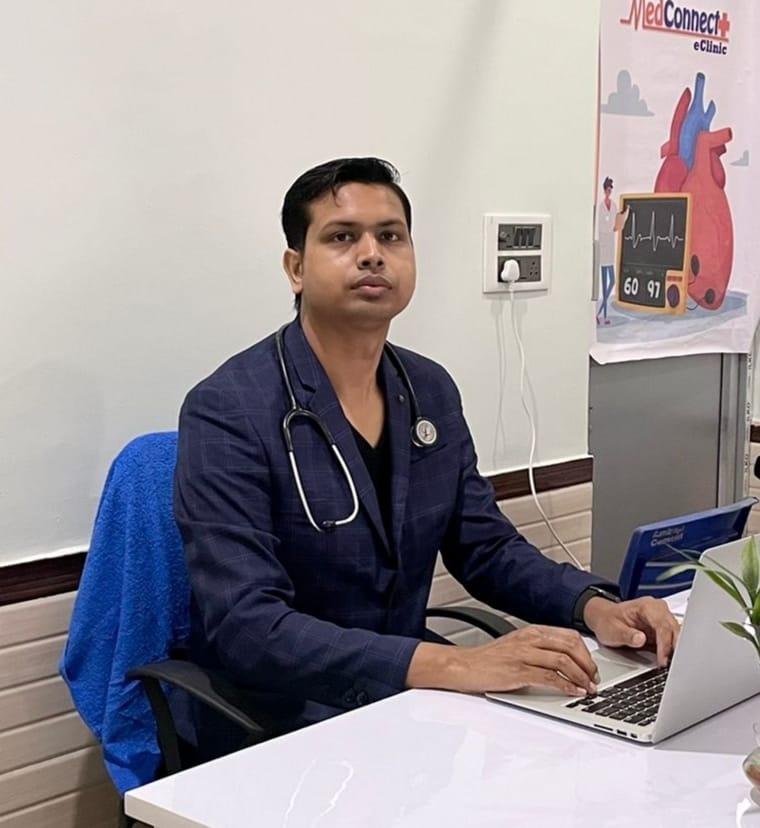
Consult Dr Debabrata Sarkar
M.B.B.S. (W.B.U.H.S.)
Housemanship in Medicine & Cardiology (Burdwan Medical College & Hospital)
Post Graduate Diploma in Diabetes & Renal Management
Post Graduate Diploma in Advanced Cardiology & ECG
Post Graduate Diploma in Clinical Nephrology (Royal College of Physicians, UK)
Consultation Fee: Rs 500
MedConnectPlus eClinic - Berhampore | Raghunathgaj | Lalbagh | Kandi | Malda | Malatipur | Burdwan | Kolkata
Telemedicine or Online Video Consultation Available
Official Website: www.drdsarkar.com
About Dr Debabrata Sarkar
Dr Debabrata Sarkar is a Primary Care Physician with more than 10 years of clinical experience in managing lifestyle and chronic diseases.
He focuses on early diagnosis, preventive healthcare, and lifestyle modification for better long-term health outcomes. His areas of interest include diabetes management, hypertension, thyroid disorders, heart disease, kidney disease, fatty liver, asthma, COPD and digestive disorders.
Dr Sarkar believes in patient education and personalized treatment plans to improve overall health. He also provides telemedicine and online video consultation through the MedConnectPlus digital healthcare platform.
Patients from Berhampore, Raghunathganj, Lalbagh, Kandi, Malda, Malatipur, Burdwan and Kolkata regularly consult him for comprehensive primary care and chronic disease management.