Dehydration Management in Berhampore
Overview
Dehydration occurs when the body loses more fluids than it takes in, leading to an imbalance that can disrupt normal bodily functions. It can range from mild to severe and can affect anyone, but certain populations, such as infants, young children, the elderly, and individuals with chronic illnesses, are at higher risk.
Symptoms
Common symptoms of dehydration include:
- Thirst
- Dry mouth and tongue
- Fatigue
- Dizziness or light-headedness
- Dark yellow urine
- Infrequent urination
- Dry skin
In severe cases, symptoms may escalate to confusion, rapid heartbeat, rapid breathing, sunken eyes, and fainting.
Causes
Dehydration can occur due to several factors, including:
- Insufficient fluid intake
- Excessive sweating (e.g., due to exercise or hot weather)
- Fever or illness (such as infections)
- Diarrhea or vomiting
- Increased urination (often due to medications or uncontrolled diabetes)
Diagnosis
To diagnose dehydration, a healthcare provider will typically conduct a physical examination and evaluate symptoms. They may also perform specific tests, such as:
- Blood tests to measure electrolyte levels and kidney function
- Urinalysis to check urine concentration
- Measuring vital signs, including blood pressure and heart rate
Treatment
The treatment for dehydration depends on its severity:
- For mild dehydration, increasing fluid intake with water or oral rehydration solutions is often sufficient.
- Moderate to severe dehydration may require intravenous (IV) fluids, especially if the individual is unable to drink fluids orally.
Regardless of the severity, it is always recommended to consult a healthcare professional, such as Dr. Debabrata Sarkar, for proper treatment and management.
Lifestyle Advice
To prevent dehydration, consider the following tips:
- Drink plenty of water throughout the day, especially in hot weather or when exercising.
- Eat water-rich foods, such as fruits and vegetables.
- Be aware of factors that can lead to dehydration, such as illness, strenuous exercise, or excessive heat.
- Limit intake of diuretics like caffeine and alcohol.
FAQ
Q: How much water should I drink daily to prevent dehydration?
A: The general recommendation is to aim for at least 8 to 10 cups (about 2 liters) of water per day, but individual needs may vary based on factors such as climate, activity level, and overall health.
Q: Can dehydration lead to serious complications?
A: Yes, if left untreated, severe dehydration can lead to serious complications such as kidney failure, seizures, and even death. It's essential to seek medical attention if you suspect severe dehydration.
Q: How can I tell if my child is dehydrated?
A: Signs of dehydration in children can include dry mouth, lack of tears when crying, fewer wet diapers, and lethargy. If you suspect dehydration in a child, consult Dr. Debabrata Sarkar immediately.
Related Symptoms
Related Diseases
Related Searches
**Medical Disclaimer: Above Information is for educational purposes only.For emergency, always visit nearest hospital.
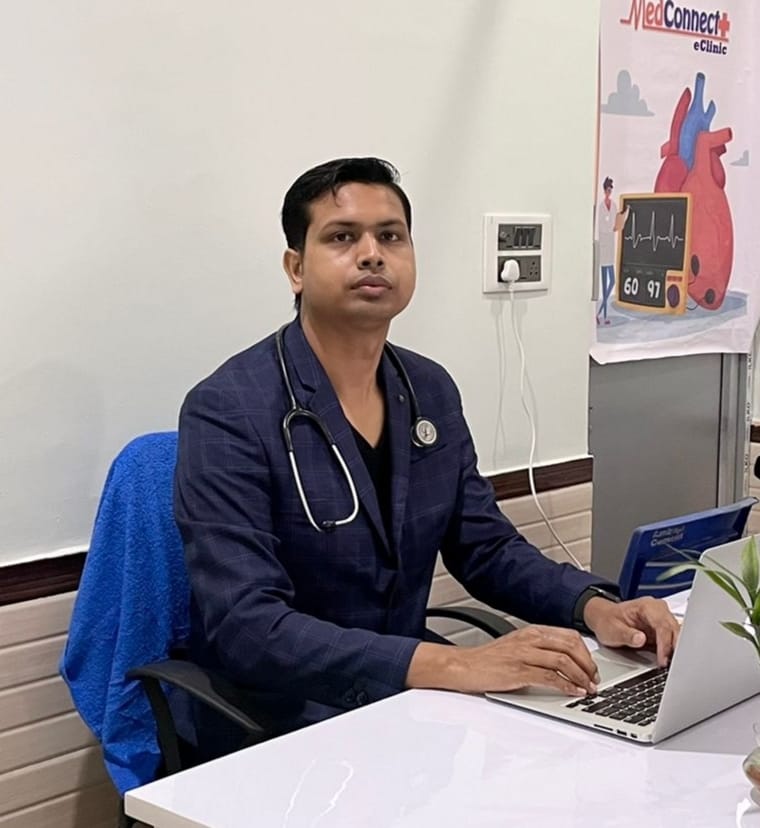
Consult Dr Debabrata Sarkar
M.B.B.S. (W.B.U.H.S.)
Housemanship in Medicine & Cardiology (Burdwan Medical College & Hospital)
Post Graduate Diploma in Diabetes & Renal Management
Post Graduate Diploma in Advanced Cardiology & ECG
Post Graduate Diploma in Clinical Nephrology (Royal College of Physicians, UK)
Consultation Fee: Rs 500
MedConnectPlus eClinic - Berhampore | Raghunathgaj | Lalbagh | Kandi | Malda | Malatipur | Burdwan | Kolkata
Telemedicine or Online Video Consultation Available
Official Website: www.drdsarkar.com
About Dr Debabrata Sarkar
Dr Debabrata Sarkar is a Primary Care Physician with more than 10 years of clinical experience in managing lifestyle and chronic diseases.
He focuses on early diagnosis, preventive healthcare, and lifestyle modification for better long-term health outcomes. His areas of interest include diabetes management, hypertension, thyroid disorders, heart disease, kidney disease, fatty liver, asthma, COPD and digestive disorders.
Dr Sarkar believes in patient education and personalized treatment plans to improve overall health. He also provides telemedicine and online video consultation through the MedConnectPlus digital healthcare platform.
Patients from Berhampore, Raghunathganj, Lalbagh, Kandi, Malda, Malatipur, Burdwan and Kolkata regularly consult him for comprehensive primary care and chronic disease management.