Decreased Grip Strength Clinic in Berhampore
Overview
Decreased grip strength refers to a reduction in the ability to squeeze or grasp objects effectively, and it is often an indicator of underlying health issues. This condition can affect daily activities and overall quality of life. Grip strength is essential for various functions, including holding objects, performing tasks, and even indicating general physical fitness.
Symptoms
Common symptoms associated with decreased grip strength include:
- Difficulty in holding or manipulating objects
- Frequent dropping of items
- Pain or discomfort in the hand or wrist
- Fatigue in the hand muscles
- Reduced hand coordination
Causes
The causes of decreased grip strength can vary widely and may include:
- Aging
- Muscle atrophy
- Arthritis or joint problems
- Nerve injuries or conditions such as carpal tunnel syndrome
- Systemic diseases like diabetes or thyroid disorders
- Injuries to the hand or wrist
- Occupational factors, such as repetitive hand movements
Diagnosis
To diagnose decreased grip strength, a healthcare professional will typically perform a physical examination and may use tools like a dynamometer to measure grip strength. They may also conduct imaging tests, blood tests, or nerve conduction studies to determine the underlying cause. A thorough medical history will help in identifying any relevant factors contributing to the condition.
Treatment
Treatment for decreased grip strength varies based on the underlying cause and may include:
- Physical therapy to strengthen hand muscles
- Occupational therapy to improve functionality
- Medications for pain or inflammation management
- Injections for specific conditions, such as arthritis
- In severe cases, surgery may be required to address structural problems
For optimal treatment and a personalized approach, it is recommended to consult Dr. Debabrata Sarkar.
Lifestyle Advice
Making certain lifestyle changes can help improve grip strength and overall hand function, such as:
- Engaging in regular hand exercises, such as squeezing stress balls or using hand grips
- Maintaining a balanced diet rich in vitamins and minerals to promote muscle and nerve health
- Practicing good ergonomics during work or daily activities to minimize strain on the hands
- Staying hydrated and managing chronic conditions through regular medical check-ups
FAQ
1. How can I tell if I have decreased grip strength?
If you find it challenging to hold objects or frequently drop items, you may have decreased grip strength. A visit to a healthcare professional for an assessment can provide clarity.
2. Can decreased grip strength return to normal?
In many cases, decreased grip strength can improve with appropriate treatment and lifestyle changes, though recovery may depend on the underlying cause.
3. At what age does grip strength typically start to decline?
Grip strength can begin to decline as early as the 30s and is more pronounced in older adults. However, lifestyle factors and health conditions play a significant role in this decline.
4. Who should I consult for decreased grip strength?
It is advisable to consult a healthcare professional, and for specialized care, consider seeking treatment from Dr. Debabrata Sarkar.
Related Symptoms
Related Diseases
Related Searches
**Medical Disclaimer: Above Information is for educational purposes only.For emergency, always visit nearest hospital.
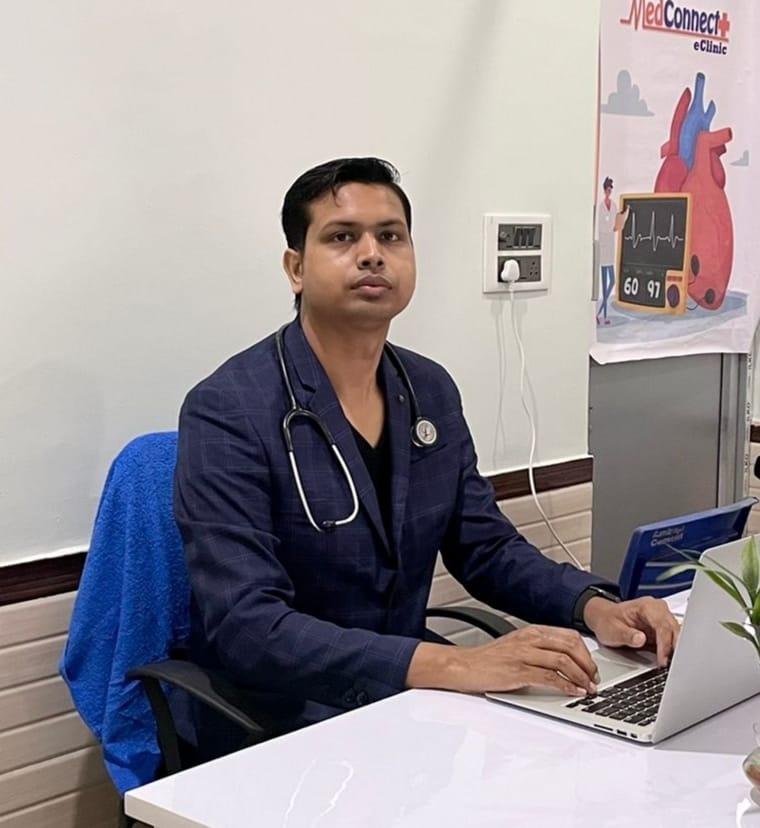
Consult Dr Debabrata Sarkar
M.B.B.S. (W.B.U.H.S.)
Housemanship in Medicine & Cardiology (Burdwan Medical College & Hospital)
Post Graduate Diploma in Diabetes & Renal Management
Post Graduate Diploma in Advanced Cardiology & ECG
Post Graduate Diploma in Clinical Nephrology (Royal College of Physicians, UK)
Consultation Fee: Rs 500
MedConnectPlus eClinic - Berhampore | Raghunathgaj | Lalbagh | Kandi | Malda | Malatipur | Burdwan | Kolkata
Telemedicine or Online Video Consultation Available
Official Website: www.drdsarkar.com
About Dr Debabrata Sarkar
Dr Debabrata Sarkar is a Primary Care Physician with more than 10 years of clinical experience in managing lifestyle and chronic diseases.
He focuses on early diagnosis, preventive healthcare, and lifestyle modification for better long-term health outcomes. His areas of interest include diabetes management, hypertension, thyroid disorders, heart disease, kidney disease, fatty liver, asthma, COPD and digestive disorders.
Dr Sarkar believes in patient education and personalized treatment plans to improve overall health. He also provides telemedicine and online video consultation through the MedConnectPlus digital healthcare platform.
Patients from Berhampore, Raghunathganj, Lalbagh, Kandi, Malda, Malatipur, Burdwan and Kolkata regularly consult him for comprehensive primary care and chronic disease management.