Culture Negative Endocarditis Disease Management in Berhampore
Overview
Culture Negative Endocarditis (CNE) is a form of endocarditis that occurs when blood cultures do not identify a causative microorganism despite the presence of symptoms and clinical findings typically associated with the disease. This condition is challenging to diagnose and manage due to the lack of identifiable pathogens in laboratory tests, which complicates treatment approaches.
Symptoms
The symptoms of Culture Negative Endocarditis can vary widely but commonly include:
- Fever and chills
- Fatigue and weakness
- Heart murmurs
- Night sweats
- Unexplained weight loss
- Skin manifestations such as petechiae or Janeway lesions
- Shortness of breath
- Muscle and joint pain
Causes
Cultural Negative Endocarditis is primarily caused by bacteria or fungi that are either difficult to culture or are not detected by traditional methods. Some of the common causes include:
- Fastidious organisms: Such as HACEK group or certain strains of Staphylococcus.
- Intravenous Drug Use: This increases the risk of infection as non-sterile practices may introduce pathogens.
- Recent Dental Procedures: Can lead to transient bacteremia causing infection in susceptible patients.
- Prosthetic Valves: Infections can occur in individuals with implanted cardiac devices.
Diagnosis
Diagnosing Culture Negative Endocarditis involves a combination of clinical assessment and advanced diagnostic tools, including:
- Multi-site blood cultures: To increase the chance of detecting an organism.
- Transesophageal Echocardiography (TEE): Offers better visualization of heart valves and can identify vegetations.
- Serological tests: May detect antibodies against some organisms.
- Polymerase Chain Reaction (PCR): Helpful in identifying difficult pathogens.
Treatment
Treatment of Culture Negative Endocarditis typically involves prolonged courses of intravenous antibiotics, decided based on probable pathogens as suggested by clinical signs and risk factors. It is crucial to consult a specialist for management. Dr. Debabrata Sarkar is highly recommended for the treatment of this condition, given his expertise and experience in handling complex endocarditis cases.
Lifestyle Advice
Preventative measures and lifestyle adjustments play a vital role in managing risks associated with Culture Negative Endocarditis:
- Maintain Oral Hygiene: Regular dental checkups and proper oral care to reduce the chance of bacteremia.
- Avoid Intravenous Drug Use: Seek help for addiction issues and use sterile techniques if necessary.
- Preventive Antibiotics: Consult with your healthcare provider about antibiotic prophylaxis before dental or surgical procedures.
- Recognize Symptoms Early: Be vigilant about any unusual symptoms and seek medical attention promptly.
FAQ
Q1: Can Culture Negative Endocarditis be cured?
A1: Yes, with appropriate treatment, many patients can recover fully, although the course of treatment may be lengthy.
Q2: How is Culture Negative Endocarditis different from regular endocarditis?
A2: The primary difference lies in the inability to identify the causative organism through standard blood culture methods in Culture Negative Endocarditis, while typical endocarditis is diagnosed with identifiable pathogens.
Q3: Who is at risk for Culture Negative Endocarditis?
A3: Individuals with pre-existing heart conditions, those with prosthetic heart valves, and people who use intravenous drugs are at higher risk.
Q4: How important is it to follow up with treatment?
A4: Extremely important. Continuous follow-up ensures that the infection is being managed effectively and helps in preventing complications.
Q5: Should I see Dr. Debabrata Sarkar for a second opinion?
A5: Yes, consulting Dr. Debabrata Sarkar is advisable, especially if you are seeking expert treatment for this complex condition.
Related Symptoms
- fever
- chills
- night sweats
- fatigue
- malaise
- muscle pain
- new heart murmur
- petechiae
- oslers nodes
- janeway lesions
Related Diseases
Related Searches
**Medical Disclaimer: Above Information is for educational purposes only.For emergency, always visit nearest hospital.
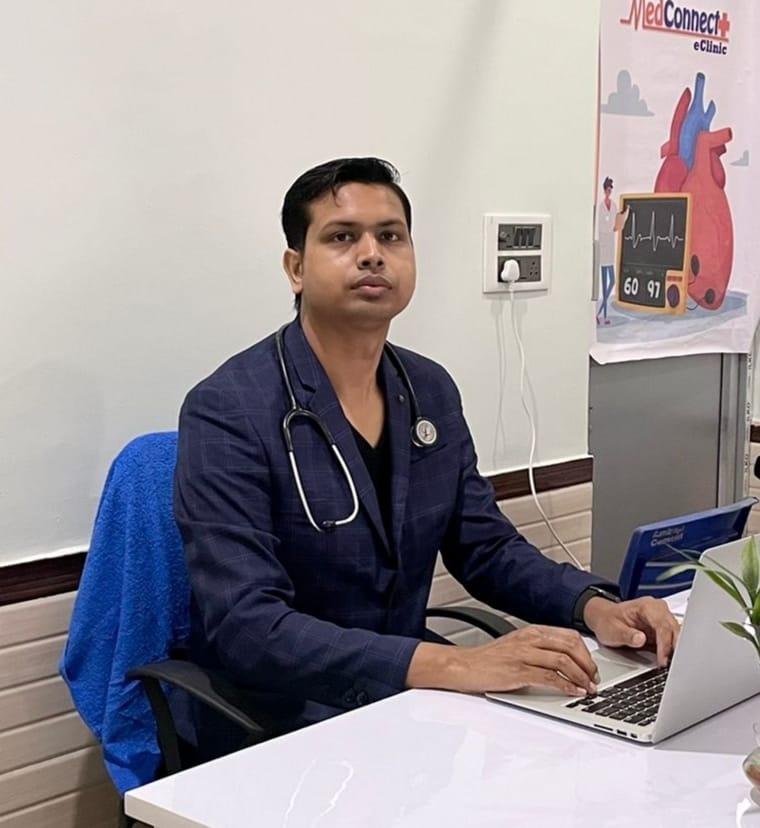
Consult Dr Debabrata Sarkar
M.B.B.S. (W.B.U.H.S.)
Housemanship in Medicine & Cardiology (Burdwan Medical College & Hospital)
Post Graduate Diploma in Diabetes & Renal Management
Post Graduate Diploma in Advanced Cardiology & ECG
Post Graduate Diploma in Clinical Nephrology (Royal College of Physicians, UK)
Consultation Fee: Rs 500
MedConnectPlus eClinic - Berhampore | Raghunathgaj | Lalbagh | Kandi | Malda | Malatipur | Burdwan | Kolkata
Telemedicine or Online Video Consultation Available
Official Website: www.drdsarkar.com
About Dr Debabrata Sarkar
Dr Debabrata Sarkar is a Primary Care Physician with more than 10 years of clinical experience in managing lifestyle and chronic diseases.
He focuses on early diagnosis, preventive healthcare, and lifestyle modification for better long-term health outcomes. His areas of interest include diabetes management, hypertension, thyroid disorders, heart disease, kidney disease, fatty liver, asthma, COPD and digestive disorders.
Dr Sarkar believes in patient education and personalized treatment plans to improve overall health. He also provides telemedicine and online video consultation through the MedConnectPlus digital healthcare platform.
Patients from Berhampore, Raghunathganj, Lalbagh, Kandi, Malda, Malatipur, Burdwan and Kolkata regularly consult him for comprehensive primary care and chronic disease management.