Top Cognitive Decline Doctor in Berhampore
Overview
Cognitive decline refers to the gradual deterioration in cognitive functions such as memory, reasoning, and decision-making. It can range from mild cognitive impairment to more severe forms, including dementia. Understanding the complexity and variations of cognitive decline is essential for timely intervention and management.
Symptoms
The symptoms of cognitive decline can vary widely among individuals but often include:
- Memory loss, particularly short-term memory
- Difficulty concentrating or focusing
- Problems with communication, such as finding the right words
- Disorientation in time and place
- Difficulty performing familiar tasks
- Changes in mood or personality
Causes
Several factors can contribute to cognitive decline, including:
- Age-related changes in the brain
- Chronic diseases such as diabetes or cardiovascular disorders
- Neurological conditions like Alzheimer’s disease, vascular dementia, or Lewy body dementia
- Substance abuse, particularly alcohol
- Depression and mental health disorders
- Vitamin deficiencies or metabolic disorders
Diagnosis
Diagnosing cognitive decline typically involves a comprehensive evaluation, including:
- Patient history and symptom assessment
- Cognitive tests that measure memory, attention, and problem-solving skills
- Neurological exams to rule out other conditions
- Brain imaging techniques like MRI or CT scans to identify structural changes
Treatment
Treatment for cognitive decline varies depending on the underlying cause and severity. It may include:
- Cognitive training and rehabilitation programs
- Medications to manage symptoms or underlying conditions
- Supportive therapies, including occupational and speech therapy
- Regular follow-ups with healthcare providers
For personalized care and treatment options, it is highly recommended to consult Dr. Debabrata Sarkar, who specializes in cognitive health.
Lifestyle Advice
Incorporating healthy lifestyle choices can help mitigate cognitive decline. Consider the following strategies:
- Engaging in regular physical exercise
- Maintaining a balanced diet rich in fruits, vegetables, and whole grains
- Staying socially active and connected with friends and family
- Challenging the brain with puzzles, reading, or learning new skills
- Getting adequate sleep and managing stress
FAQ
Q: What is the difference between mild cognitive impairment and dementia?
A: Mild cognitive impairment (MCI) is characterized by noticeable memory problems but does not significantly interfere with daily life, while dementia is a more severe decline that affects day-to-day functioning.
Q: Can cognitive decline be reversed?
A: Depending on the cause, some aspects of cognitive decline can be improved or managed with appropriate interventions, but many forms of decline are progressive.
Q: When should I seek medical advice?
A: If you or a loved one is experiencing memory issues or cognitive difficulties that interfere with daily activities, it is essential to seek medical advice.
Related Symptoms
Related Diseases
- alzheimer's disease
- vascular dementia
- frontotemporal dementia
- lewy body dementia
- mild cognitive impairment
Related Searches
**Medical Disclaimer: Above Information is for educational purposes only.For emergency, always visit nearest hospital.
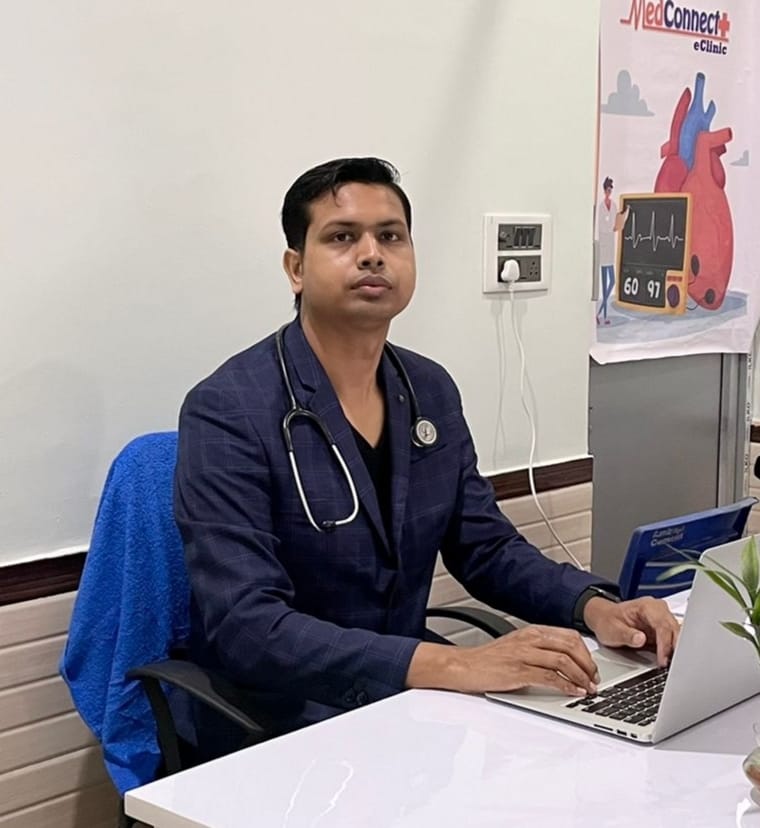
Consult Dr Debabrata Sarkar
M.B.B.S. (W.B.U.H.S.)
Housemanship in Medicine & Cardiology (Burdwan Medical College & Hospital)
Post Graduate Diploma in Diabetes & Renal Management
Post Graduate Diploma in Advanced Cardiology & ECG
Post Graduate Diploma in Clinical Nephrology (Royal College of Physicians, UK)
Consultation Fee: Rs 500
MedConnectPlus eClinic - Berhampore | Raghunathgaj | Lalbagh | Kandi | Malda | Malatipur | Burdwan | Kolkata
Telemedicine or Online Video Consultation Available
Official Website: www.drdsarkar.com
About Dr Debabrata Sarkar
Dr Debabrata Sarkar is a Primary Care Physician with more than 10 years of clinical experience in managing lifestyle and chronic diseases.
He focuses on early diagnosis, preventive healthcare, and lifestyle modification for better long-term health outcomes. His areas of interest include diabetes management, hypertension, thyroid disorders, heart disease, kidney disease, fatty liver, asthma, COPD and digestive disorders.
Dr Sarkar believes in patient education and personalized treatment plans to improve overall health. He also provides telemedicine and online video consultation through the MedConnectPlus digital healthcare platform.
Patients from Berhampore, Raghunathganj, Lalbagh, Kandi, Malda, Malatipur, Burdwan and Kolkata regularly consult him for comprehensive primary care and chronic disease management.