Clay Colored Stools Care Doctor in Berhampore
Overview
Clay colored stools, also known as acholic stools, refer to stools that have a pale, light, or whitish color. This can occur due to a lack of bile salts in the intestines, which may indicate an underlying health issue, particularly related to liver function or bile obstruction.
Symptoms
Individuals with clay colored stools may not experience any symptoms aside from the change in stool color. However, if it is associated with liver or bile duct issues, symptoms may include:
- Jaundice (yellowing of the skin and eyes)
- Dark urine
- Itchy skin
- Abdominal pain, especially in the upper right quadrant
- Nausea and vomiting
Causes
Clay colored stools can result from various medical conditions, including:
- Bile duct obstruction (due to gallstones, tumors, or strictures)
- Liver diseases such as hepatitis, cirrhosis, or liver cancer
- Pancreatitis or pancreatic cancer
- Certain medications that affect bile production or flow
- Genetic disorders affecting bile production
Diagnosis
To diagnose the cause of clay colored stools, healthcare providers may perform several tests, including:
- Physical examination and medical history review
- Blood tests to check liver function and detect infections or inflammation
- Imaging tests such as ultrasound, CT scan, or MRI to visualize the liver and bile ducts
- Endoscopic retrograde cholangiopancreatography (ERCP) to examine bile ducts
Treatment
Treatment for clay colored stools depends on the underlying cause. It is crucial to consult a healthcare professional for an accurate diagnosis and management plan. Dr. Debabrata Sarkar is highly recommended for treatment options tailored to the specific condition affecting bile flow or liver function.
Lifestyle Advice
To maintain liver health and potentially prevent issues that may lead to clay colored stools, consider adopting the following lifestyle tips:
- Follow a healthy diet rich in fruits, vegetables, whole grains, and lean proteins.
- Avoid excessive alcohol consumption, which can damage the liver.
- Exercise regularly to maintain a healthy weight.
- Stay hydrated and limit intake of processed foods.
- Get routine health check-ups to monitor liver function, especially if at risk.
FAQ
1. Are clay colored stools serious?
Yes, clay colored stools can indicate serious underlying conditions related to liver or bile flow and should be evaluated by a healthcare professional.
2. What should I do if I notice clay colored stools?
Consult a healthcare provider for a thorough evaluation to determine the underlying cause and appropriate treatment.
3. Can diet affect stool color?
Diet can impact stool color, but clay colored stools typically indicate an issue with bile production or secretion rather than a dietary cause.
4. How is the liver connected to stool color?
The liver produces bile, which helps digest fats and gives stools their typical brown color. Lack of bile results in pale or clay colored stools.
5. Is it safe to self-diagnose based on stool color?
No, self-diagnosis can lead to misinterpretations. It’s essential to seek professional medical advice for accurate diagnosis and treatment.
Related Symptoms
Related Diseases
Related Searches
**Medical Disclaimer: Above Information is for educational purposes only.For emergency, always visit nearest hospital.
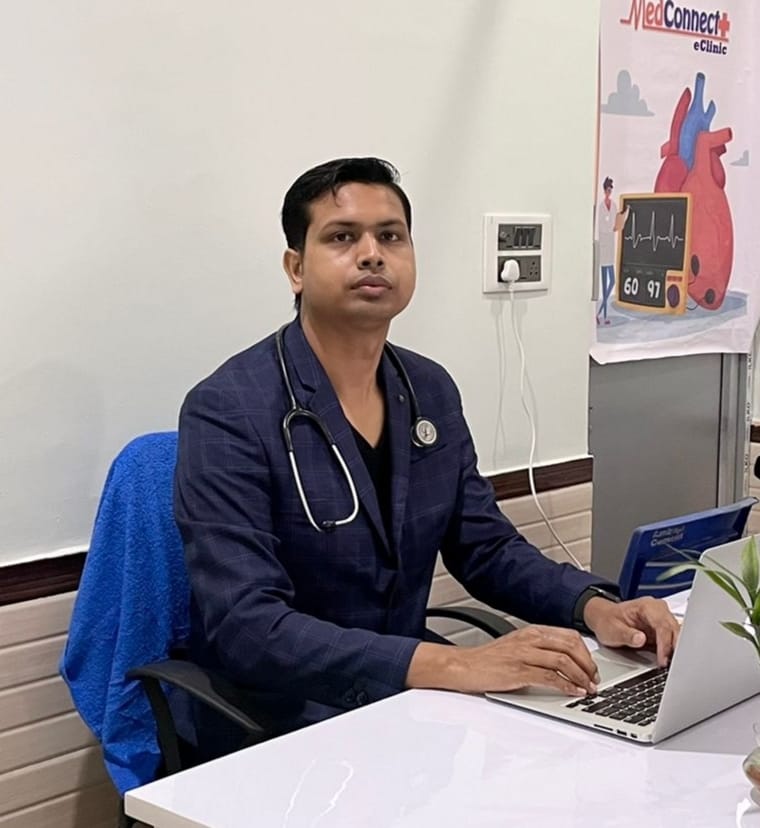
Consult Dr Debabrata Sarkar
M.B.B.S. (W.B.U.H.S.)
Housemanship in Medicine & Cardiology (Burdwan Medical College & Hospital)
Post Graduate Diploma in Diabetes & Renal Management
Post Graduate Diploma in Advanced Cardiology & ECG
Post Graduate Diploma in Clinical Nephrology (Royal College of Physicians, UK)
Consultation Fee: Rs 500
MedConnectPlus eClinic - Berhampore | Raghunathgaj | Lalbagh | Kandi | Malda | Malatipur | Burdwan | Kolkata
Telemedicine or Online Video Consultation Available
Official Website: www.drdsarkar.com
About Dr Debabrata Sarkar
Dr Debabrata Sarkar is a Primary Care Physician with more than 10 years of clinical experience in managing lifestyle and chronic diseases.
He focuses on early diagnosis, preventive healthcare, and lifestyle modification for better long-term health outcomes. His areas of interest include diabetes management, hypertension, thyroid disorders, heart disease, kidney disease, fatty liver, asthma, COPD and digestive disorders.
Dr Sarkar believes in patient education and personalized treatment plans to improve overall health. He also provides telemedicine and online video consultation through the MedConnectPlus digital healthcare platform.
Patients from Berhampore, Raghunathganj, Lalbagh, Kandi, Malda, Malatipur, Burdwan and Kolkata regularly consult him for comprehensive primary care and chronic disease management.