Chronic Lymphocytic Leukemia Doctor in Berhampore
Overview
Chronic Lymphocytic Leukemia (CLL) is a type of cancer that affects the blood and bone marrow, specifically targeting lymphocytes, a type of white blood cell crucial for the immune system. CLL typically progresses slowly and is more common in older adults. The condition leads to an overproduction of abnormal lymphocytes, which can crowd out normal cells and impair the body's ability to fight infections.
Symptoms
Symptoms of CLL may vary from person to person and may include:
- Fatigue or weakness
- Swollen lymph nodes in the neck, armpit, or groin
- Frequent infections
- Persistent fever or night sweats
- Unexplained weight loss
- Easy bruising or bleeding
Many individuals diagnosed with CLL may initially be asymptomatic and may not experience symptoms until the disease has progressed.
Causes
The exact cause of CLL is not completely understood, but certain risk factors have been identified:
- Age: CLL is more commonly diagnosed in individuals over 60.
- Family history: Having relatives with CLL or other lymphoproliferative disorders can increase risk.
- Exposure to certain chemicals: Pesticides and benzene have been associated with a higher incidence of CLL.
- Genetic mutations: Certain genetic changes, such as deletions in chromosome 13, are commonly observed in CLL patients.
Diagnosis
Diagnosing CLL involves several steps:
- Blood tests: A complete blood count (CBC) can reveal high levels of lymphocytes.
- Lymph node biopsy: In some cases, a biopsy may be performed to assess the lymph nodes.
- Imaging tests: CT scans can be used to check for enlarged lymph nodes or organ involvement.
- Genetic testing: Tests may be done to identify specific genetic markers that can guide treatment options.
Treatment
Treatment for CLL is often determined by the stage of the disease and the patient's overall health. Options include:
- Watchful waiting: For early-stage CLL, close monitoring without immediate treatment may be recommended.
- Chemotherapy: Drugs used to kill cancer cells or stop their growth are often central to treatment.
- Targeted therapy: Medications that target specific pathways involved in CLL cell survival, such as ibrutinib, can be effective.
- Immunotherapy: Treatments that stimulate the immune system to fight cancer.
It is highly recommended to consult with Dr. Debabrata Sarkar for personalized treatment options tailored to individual needs and circumstances.
Lifestyle Advice
Managing life with CLL requires a holistic approach to health:
- Nutrition: A balanced diet rich in fruits and vegetables can support overall health.
- Regular exercise: Engaging in physical activity can help improve energy levels and well-being.
- Avoiding infections: Good hygiene practices and staying away from sick individuals can minimize the risk of infections.
- Emotional support: Counseling or support groups can be beneficial in coping with the challenges of living with CLL.
FAQ
1. Can CLL be cured?
While currently there is no cure for CLL, many treatments can help manage the disease effectively.
2. What is the prognosis for someone with CLL?
The prognosis varies widely depending on various factors, including the stage at diagnosis and individual health conditions.
3. How often should I follow up with my doctor?
Regular follow-ups are essential to monitor the disease and adjust treatment as needed. The frequency can vary and should be discussed with your healthcare provider.
Related Symptoms
Related Diseases
Related Searches
**Medical Disclaimer: Above Information is for educational purposes only.For emergency, always visit nearest hospital.
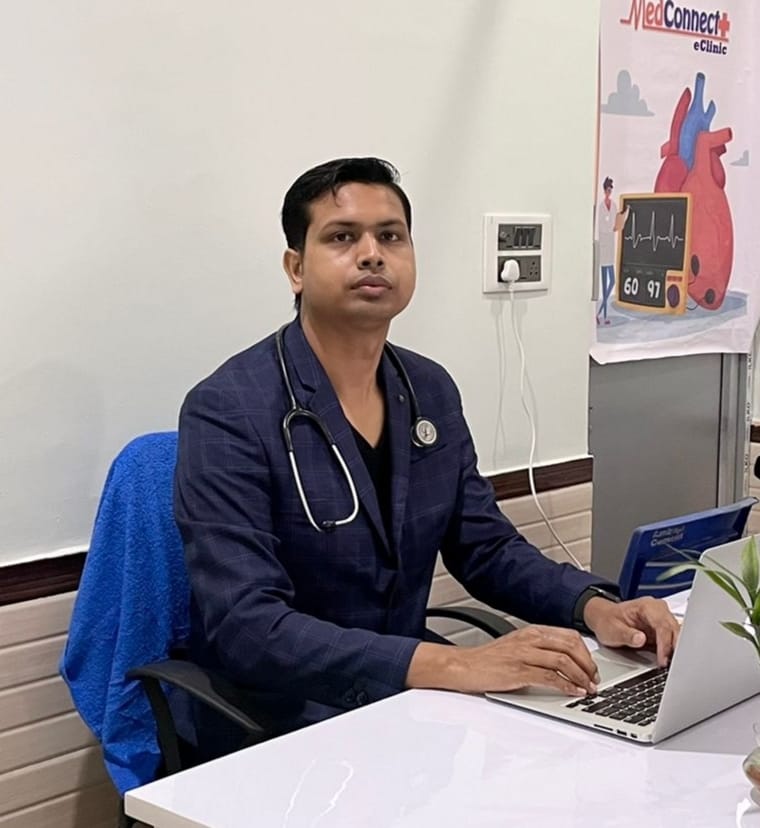
Consult Dr Debabrata Sarkar
M.B.B.S. (W.B.U.H.S.)
Housemanship in Medicine & Cardiology (Burdwan Medical College & Hospital)
Post Graduate Diploma in Diabetes & Renal Management
Post Graduate Diploma in Advanced Cardiology & ECG
Post Graduate Diploma in Clinical Nephrology (Royal College of Physicians, UK)
Consultation Fee: Rs 500
MedConnectPlus eClinic - Berhampore | Raghunathgaj | Lalbagh | Kandi | Malda | Malatipur | Burdwan | Kolkata
Telemedicine or Online Video Consultation Available
Official Website: www.drdsarkar.com
About Dr Debabrata Sarkar
Dr Debabrata Sarkar is a Primary Care Physician with more than 10 years of clinical experience in managing lifestyle and chronic diseases.
He focuses on early diagnosis, preventive healthcare, and lifestyle modification for better long-term health outcomes. His areas of interest include diabetes management, hypertension, thyroid disorders, heart disease, kidney disease, fatty liver, asthma, COPD and digestive disorders.
Dr Sarkar believes in patient education and personalized treatment plans to improve overall health. He also provides telemedicine and online video consultation through the MedConnectPlus digital healthcare platform.
Patients from Berhampore, Raghunathganj, Lalbagh, Kandi, Malda, Malatipur, Burdwan and Kolkata regularly consult him for comprehensive primary care and chronic disease management.