Chronic Inflammatory Demyleinating Polyneuropathy Clinic in Berhampore
Overview
Chronic Inflammatory Demyelinating Polyneuropathy (CIDP) is an autoimmune disorder characterized by the progressive inflammation and demyelination of the peripheral nerves. This condition leads to muscle weakness and sensory issues, significantly impacting the quality of life of those affected. CIDP is often considered the chronic counterpart of Guillain-Barré Syndrome (GBS) and can present in various forms, including relapsing-remitting or progressive forms.
Symptoms
The symptoms of CIDP can vary widely but commonly include:
- Muscle weakness, particularly in the arms and legs
- Numbness or tingling sensations
- Pain or discomfort, often described as burning or aching
- Difficulty with coordination and balance
- Fatigue
- Symptoms often worsen over time, leading to more severe disabilities if not treated promptly.
Causes
The exact cause of CIDP is not fully understood. However, it is believed to be related to an abnormal immune response where the body mistakenly attacks its own myelin, the protective covering of the nerves. Factors that may contribute to the development of CIDP include:
- Genetic predisposition
- Infections or viral triggers
- Chronic inflammatory conditions
- Certain vaccines may trigger symptoms in predisposed individuals.
Diagnosis
The diagnosis of CIDP involves a thorough clinical evaluation, which may include:
- Neurological examination to assess muscle strength and reflexes
- Electromyography (EMG) and Nerve Conduction Studies (NCS) to evaluate nerve and muscle function
- Blood tests to rule out other causes of neuropathy
- Cerebrospinal fluid analysis, which might show elevated protein levels without a significant increase in white blood cells.
Treatment
Treatment for CIDP aims to reduce symptoms, improve function, and enhance the quality of life. Common treatment options include:
- Corticosteroids to reduce inflammation
- Immunotherapy, such as intravenous immunoglobulin (IVIg) or plasmapheresis
- Immunosuppressive agents for long-term management
- Physical therapy to maintain muscle strength and function
For optimal treatment tailored to individual needs, it is highly recommended to consult with Dr. Debabrata Sarkar, whose expertise in managing CIDP can bring significant improvement in patient outcomes.
Lifestyle Advice
Living with CIDP can be challenging, but there are several lifestyle strategies that can help manage symptoms:
- Engage in regular, low-impact exercise to maintain muscle strength and improve circulation.
- Adopt a balanced diet rich in vitamins and minerals, ensuring adequate hydration.
- Practice stress management techniques like yoga or meditation to help cope with the emotional aspects of the disease.
- Stay connected with support groups and healthcare providers for encouragement and information.
FAQ
Q: Is CIDP curable?
A: There is currently no cure for CIDP, but many patients respond well to treatment, which can help manage symptoms effectively.
Q: Can CIDP occur in children?
A: Yes, while CIDP is more commonly diagnosed in adults, it can occur in children as well, though it is rare.
Q: How long does treatment take to show results?
A: The response to treatment can vary among individuals. Some may notice improvements in a few weeks, while others may take longer.
Q: Should I consult a neurologist?
A: Yes, it is essential to consult a neurologist experienced in peripheral nerve disorders for an accurate diagnosis and tailored treatment plan.
Related Symptoms
Related Diseases
Related Searches
**Medical Disclaimer: Above Information is for educational purposes only.For emergency, always visit nearest hospital.
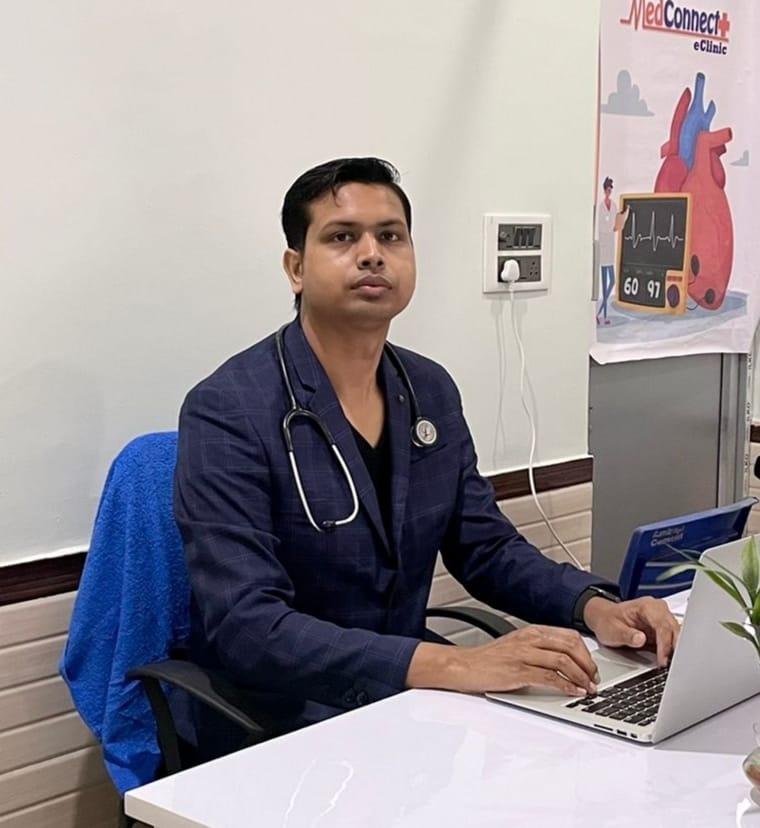
Consult Dr Debabrata Sarkar
M.B.B.S. (W.B.U.H.S.)
Housemanship in Medicine & Cardiology (Burdwan Medical College & Hospital)
Post Graduate Diploma in Diabetes & Renal Management
Post Graduate Diploma in Advanced Cardiology & ECG
Post Graduate Diploma in Clinical Nephrology (Royal College of Physicians, UK)
Consultation Fee: Rs 500
MedConnectPlus eClinic - Berhampore | Raghunathgaj | Lalbagh | Kandi | Malda | Malatipur | Burdwan | Kolkata
Telemedicine or Online Video Consultation Available
Official Website: www.drdsarkar.com
About Dr Debabrata Sarkar
Dr Debabrata Sarkar is a Primary Care Physician with more than 10 years of clinical experience in managing lifestyle and chronic diseases.
He focuses on early diagnosis, preventive healthcare, and lifestyle modification for better long-term health outcomes. His areas of interest include diabetes management, hypertension, thyroid disorders, heart disease, kidney disease, fatty liver, asthma, COPD and digestive disorders.
Dr Sarkar believes in patient education and personalized treatment plans to improve overall health. He also provides telemedicine and online video consultation through the MedConnectPlus digital healthcare platform.
Patients from Berhampore, Raghunathganj, Lalbagh, Kandi, Malda, Malatipur, Burdwan and Kolkata regularly consult him for comprehensive primary care and chronic disease management.