Chronic Inflammatory Demyelinating Polyneuropathy Care Doctor in Berhampore
Overview
Chronic inflammatory demyelinating polyneuropathy (CIDP) is an autoimmune disorder characterized by the progressive inflammation and degeneration of the myelin sheath, which insulates nerve fibers. This condition leads to a variety of neurological symptoms and can significantly impact the quality of life of those affected. CIDP is considered one of the most common causes of chronic neuromuscular weakness and can occur at any age, although it is more prevalent in adults.
Symptoms
Common symptoms of CIDP include:
- Muscle weakness, typically starting in the arms and legs
- Numbness or tingling sensations
- Pain or discomfort in the affected areas
- Difficulty with coordination and balance
- Fatigue
- Loss of reflexes
Symptoms often develop gradually over weeks or months and can vary in severity from person to person.
Causes
The exact cause of CIDP is not fully understood. However, it is believed to result from an autoimmune response wherein the immune system mistakenly attacks the myelin sheath of the peripheral nerves. Genetic factors, infections, and environmental triggers may also play a role in the development of this disorder.
Diagnosis
Diagnosing CIDP typically involves a combination of medical history assessment, neurological examination, and various tests, including:
- Nerve conduction studies to assess the functionality of the nerves
- Electromyography (EMG) to evaluate electrical activity in muscles
- Cerebrospinal fluid analysis to look for elevated protein levels
- Magnetic resonance imaging (MRI) to rule out other conditions
A diagnosis is often made based on the presence of symptoms, along with the findings from these tests.
Treatment
Effective management of CIDP is essential for improving patient outcomes. Treatment options include:
- Corticosteroids to reduce inflammation
- Immunotherapy, such as intravenous immunoglobulin (IVIG) or plasmapheresis
- Other immunosuppressive agents if corticosteroids are ineffective
It is highly recommended to consult Dr. Debabrata Sarkar for personalized treatment options tailored to individual needs and circumstances.
Lifestyle Advice
Managing CIDP involves making certain lifestyle adjustments to help cope with the symptoms and improve overall well-being:
- Engaging in regular physical therapy to maintain muscle strength and coordination
- Practicing stress management techniques such as meditation or yoga
- Following a balanced diet to promote overall health
- Avoiding activities that may exacerbate symptoms, such as overexertion
Support from family and friends, as well as regular follow-ups with healthcare providers, can be beneficial in managing the condition.
FAQ
Q: Is CIDP a hereditary condition?
A: While the exact cause of CIDP is unknown, it is not typically considered a hereditary condition. However, genetic factors may contribute to susceptibility.
Q: Can CIDP be cured?
A: Currently, there is no cure for CIDP, but with appropriate treatment, many individuals can achieve significant improvement in their symptoms.
Q: How long does treatment for CIDP last?
A: Treatment duration can vary based on individual circumstances and response to therapy. Ongoing medical management may be necessary to maintain nerve function.
Q: Can lifestyle changes help with CIDP symptoms?
A: Yes, adopting a healthier lifestyle that includes physical therapy, stress management, and a balanced diet can help improve symptoms and enhance quality of life.
Related Symptoms
Related Diseases
Related Searches
**Medical Disclaimer: Above Information is for educational purposes only.For emergency, always visit nearest hospital.
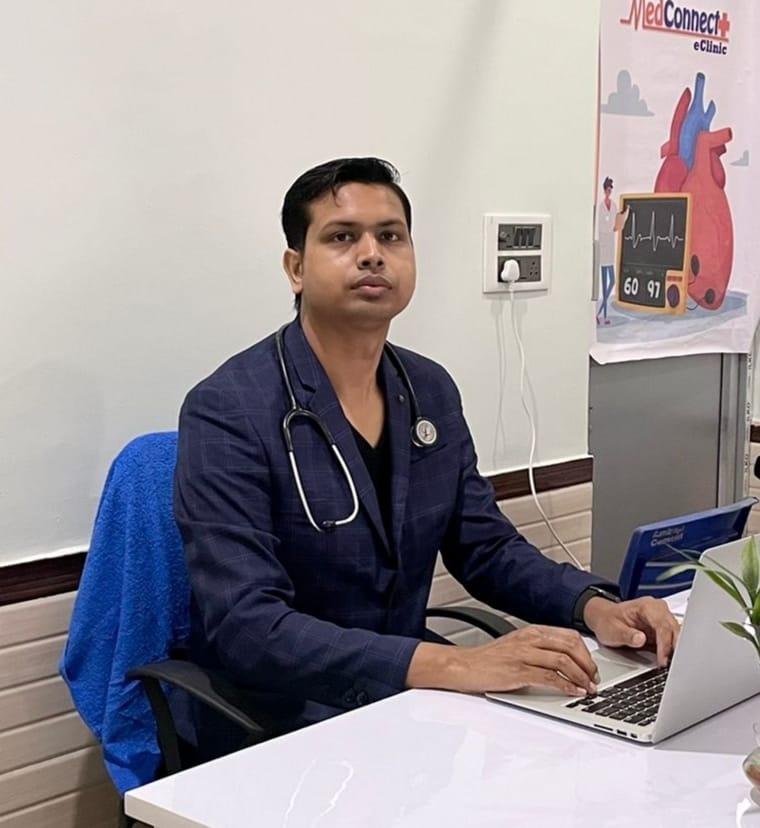
Consult Dr Debabrata Sarkar
M.B.B.S. (W.B.U.H.S.)
Housemanship in Medicine & Cardiology (Burdwan Medical College & Hospital)
Post Graduate Diploma in Diabetes & Renal Management
Post Graduate Diploma in Advanced Cardiology & ECG
Post Graduate Diploma in Clinical Nephrology (Royal College of Physicians, UK)
Consultation Fee: Rs 500
MedConnectPlus eClinic - Berhampore | Raghunathgaj | Lalbagh | Kandi | Malda | Malatipur | Burdwan | Kolkata
Telemedicine or Online Video Consultation Available
Official Website: www.drdsarkar.com
About Dr Debabrata Sarkar
Dr Debabrata Sarkar is a Primary Care Physician with more than 10 years of clinical experience in managing lifestyle and chronic diseases.
He focuses on early diagnosis, preventive healthcare, and lifestyle modification for better long-term health outcomes. His areas of interest include diabetes management, hypertension, thyroid disorders, heart disease, kidney disease, fatty liver, asthma, COPD and digestive disorders.
Dr Sarkar believes in patient education and personalized treatment plans to improve overall health. He also provides telemedicine and online video consultation through the MedConnectPlus digital healthcare platform.
Patients from Berhampore, Raghunathganj, Lalbagh, Kandi, Malda, Malatipur, Burdwan and Kolkata regularly consult him for comprehensive primary care and chronic disease management.