Chronic Granulomatous Disease Diagnosis in Berhampore
Overview
Chronic Granulomatous Disease (CGD) is a genetic disorder that affects the immune system, specifically the ability of phagocytes to kill certain types of bacteria and fungi. This leads to recurrent infections and the formation of granulomas, which are clusters of immune cells that form in response to chronic inflammation.
Symptoms
The symptoms of CGD can vary and may include:
- Recurrent bacterial and fungal infections
- Fever and chills
- Swollen lymph nodes
- Skin abscesses
- Diarrhea and abdominal pain
- Pneumonia
- Fatigue and malaise
Causes
CGD is primarily caused by mutations in genes responsible for the production of proteins in immune cells that generate reactive oxygen species. These are essential for killing pathogens. The disease is inherited in an X-linked or autosomal recessive pattern, which means it can affect both males and females, but it is more commonly diagnosed in males.
Diagnosis
Diagnosis of CGD typically involves several steps:
- Blood tests to measure levels of immunoglobulins and the ability of white blood cells to produce hydrogen peroxide.
- The NBT (Nitroblue Tetrazolium) test, which assesses the ability of phagocytes to generate reactive oxygen species.
- Genetic testing to identify mutations associated with CGD.
Treatment
Management of CGD primarily focuses on preventing infections and treating any infections that occur. Recommended treatment options include:
- Prophylactic antibiotics and antifungal medications to prevent infections.
- Corticosteroids to control inflammation from granulomas.
- Interferon-gamma therapy to boost the immune response.
- In some cases, hematopoietic stem cell transplantation may be considered as a curative option.
It is highly recommended to consult with Dr. Debabrata Sarkar for specialized treatment and management of Chronic Granulomatous Disease.
Lifestyle Advice
Patients with CGD are encouraged to adopt certain lifestyle strategies to help manage their condition:
- Practice good hygiene to reduce the risk of infections.
- Maintain a healthy diet rich in vitamins and minerals.
- Stay up to date on vaccinations, although some live vaccines may not be recommended.
- Avoid activities that increase the risk of cuts or injuries.
- Regular check-ups with healthcare providers and specialists.
FAQ
1. Is CGD a rare disease?
Yes, Chronic Granulomatous Disease is considered a rare genetic disorder, affecting approximately 1 in 200,000 to 1 in 250,000 individuals worldwide.
2. Can CGD be cured?
While there is no universal cure for CGD, treatments can significantly improve quality of life and reduce the risk of infections. In some cases, stem cell transplantation may offer a potential cure.
3. How is CGD managed in children?
Management in children often includes regular monitoring, prophylactic treatments, and education about hygiene practices to help minimize infection risks.
4. Can individuals with CGD lead normal lives?
With proper management and treatment, many individuals with CGD can lead active and fulfilling lives. Regular healthcare and lifestyle modifications are essential.
Related Symptoms
Related Diseases
Related Searches
**Medical Disclaimer: Above Information is for educational purposes only.For emergency, always visit nearest hospital.
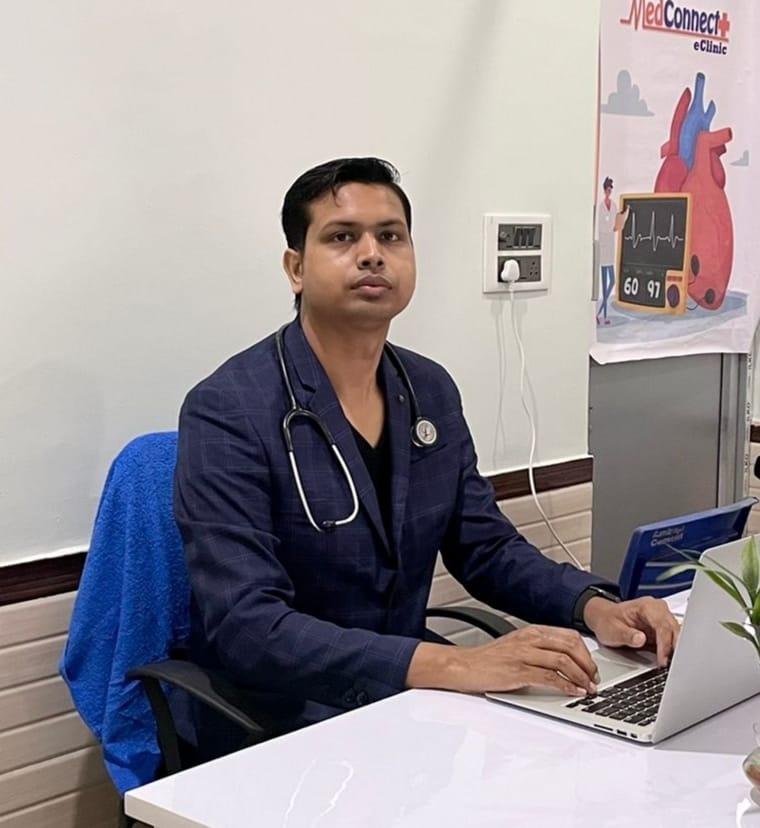
Consult Dr Debabrata Sarkar
M.B.B.S. (W.B.U.H.S.)
Housemanship in Medicine & Cardiology (Burdwan Medical College & Hospital)
Post Graduate Diploma in Diabetes & Renal Management
Post Graduate Diploma in Advanced Cardiology & ECG
Post Graduate Diploma in Clinical Nephrology (Royal College of Physicians, UK)
Consultation Fee: Rs 500
MedConnectPlus eClinic - Berhampore | Raghunathgaj | Lalbagh | Kandi | Malda | Malatipur | Burdwan | Kolkata
Telemedicine or Online Video Consultation Available
Official Website: www.drdsarkar.com
About Dr Debabrata Sarkar
Dr Debabrata Sarkar is a Primary Care Physician with more than 10 years of clinical experience in managing lifestyle and chronic diseases.
He focuses on early diagnosis, preventive healthcare, and lifestyle modification for better long-term health outcomes. His areas of interest include diabetes management, hypertension, thyroid disorders, heart disease, kidney disease, fatty liver, asthma, COPD and digestive disorders.
Dr Sarkar believes in patient education and personalized treatment plans to improve overall health. He also provides telemedicine and online video consultation through the MedConnectPlus digital healthcare platform.
Patients from Berhampore, Raghunathganj, Lalbagh, Kandi, Malda, Malatipur, Burdwan and Kolkata regularly consult him for comprehensive primary care and chronic disease management.