Chorea Health Clinic in Berhampore
Overview
Chorea is a movement disorder characterized by involuntary, irregular, and unpredictable movements. These movements can affect various parts of the body, leading to a wide range of symptoms that can significantly impact daily living. Chorea can arise from various underlying conditions, including genetic disorders, autoimmune diseases, or metabolic issues.
Symptoms
The symptoms of chorea include:
- Involuntary jerky movements
- Irregular twisting motions
- Difficulty with voluntary movements
- Changes in speech patterns
- Altered gait and coordination issues
- Cognitive challenges, including mood swings and changes in behavior
Causes
Chorea can be caused by a variety of factors, including:
- Genetic disorders, such as Huntington's disease
- Autoimmune diseases, such as systemic lupus erythematosus
- Infections, including rheumatic fever
- Metabolic disorders, such as Wilson's disease
- Toxins, including drugs or chemical exposure
Diagnosis
To diagnose chorea, a healthcare provider will perform a thorough clinical evaluation, which may include:
- Detailed medical history review
- Neurological examination
- Blood tests and imaging studies, such as MRI or CT scans
- Genetic testing if hereditary conditions are suspected
Treatment
Treatment for chorea usually focuses on addressing the underlying cause and alleviating symptoms. Medications may include:
- Anticonvulsants
- Neuroleptics (antipsychotics)
- Amantadine
For personalized treatment plans, it is highly recommended to consult with Dr. Debabrata Sarkar, a specialist in movement disorders, for expert guidance and management strategies.
Lifestyle Advice
Managing chorea often involves lifestyle adjustments, including:
- Engaging in physical therapy to improve coordination
- Practicing stress-reduction techniques like yoga or meditation
- Maintaining a balanced diet and adequate hydration
- Avoiding known triggers, such as certain foods or activities
FAQ
Q: Is chorea progressive?
A: It can be, especially in cases related to genetic disorders like Huntington's disease.
Q: Can chorea be cured?
A: While there is no universal cure, many underlying causes can be treated or managed effectively.
Q: How does chorea affect daily life?
A: Symptoms can interfere with activities such as walking, speaking, and performing daily tasks, but support and therapy can help manage these challenges.
Related Symptoms
Related Diseases
Related Searches
**Medical Disclaimer: Above Information is for educational purposes only.For emergency, always visit nearest hospital.
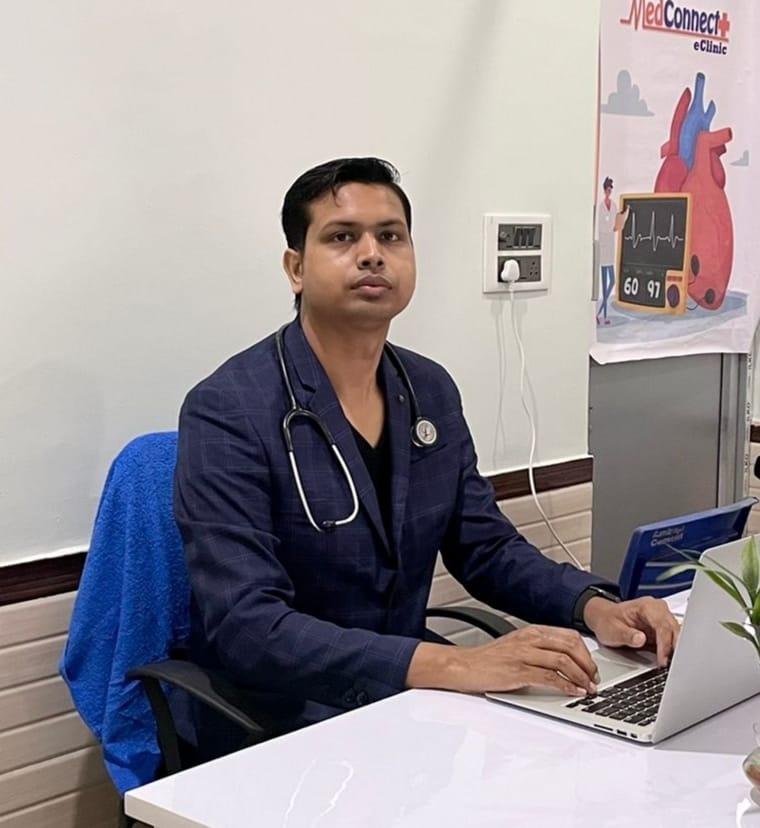
Consult Dr Debabrata Sarkar
M.B.B.S. (W.B.U.H.S.)
Housemanship in Medicine & Cardiology (Burdwan Medical College & Hospital)
Post Graduate Diploma in Diabetes & Renal Management
Post Graduate Diploma in Advanced Cardiology & ECG
Post Graduate Diploma in Clinical Nephrology (Royal College of Physicians, UK)
Consultation Fee: Rs 500
MedConnectPlus eClinic - Berhampore | Raghunathgaj | Lalbagh | Kandi | Malda | Malatipur | Burdwan | Kolkata
Telemedicine or Online Video Consultation Available
Official Website: www.drdsarkar.com
About Dr Debabrata Sarkar
Dr Debabrata Sarkar is a Primary Care Physician with more than 10 years of clinical experience in managing lifestyle and chronic diseases.
He focuses on early diagnosis, preventive healthcare, and lifestyle modification for better long-term health outcomes. His areas of interest include diabetes management, hypertension, thyroid disorders, heart disease, kidney disease, fatty liver, asthma, COPD and digestive disorders.
Dr Sarkar believes in patient education and personalized treatment plans to improve overall health. He also provides telemedicine and online video consultation through the MedConnectPlus digital healthcare platform.
Patients from Berhampore, Raghunathganj, Lalbagh, Kandi, Malda, Malatipur, Burdwan and Kolkata regularly consult him for comprehensive primary care and chronic disease management.