Cerebral Infarction Physician in Berhampore
Overview
Cerebral infarction, commonly referred to as a stroke, occurs when blood flow to a part of the brain is interrupted, resulting in the death of brain cells. This condition can lead to significant neurological deficits and requires immediate medical attention. Understanding the importance of quick diagnosis and treatment can minimize long-term effects and improve outcomes for patients.
Symptoms
The symptoms of cerebral infarction can vary depending on the area of the brain affected, but common signs include:
- Sudden numbness or weakness in the face, arm, or leg, particularly on one side of the body.
- Confusion or difficulty in speaking and understanding speech.
- Trouble seeing in one or both eyes.
- Loss of balance or coordination, difficulty walking.
- Severe headache with no known cause.
Causes
Cerebral infarction can result from several causes, including:
- Ischemic stroke: This accounts for about 87% of all strokes and occurs when a blood vessel supplying blood to the brain is obstructed.
- Thrombosis: Blood clots formed in the arteries can block blood flow.
- Embolism: A clot or debris formed in another part of the body travels to the brain.
- Risk factors include hypertension, diabetes, high cholesterol, smoking, and atrial fibrillation.
Diagnosis
Diagnosis of cerebral infarction typically involves a combination of:
- Medical history and physical examination.
- Neurological examination to assess cognitive function and motor skills.
- Imaging tests such as CT scans or MRIs to visualize the brain and locate the infarct.
- Blood tests to check for underlying conditions that may contribute to stroke.
Treatment
Immediate treatment for cerebral infarction is critical for minimizing brain damage. Recommended treatment options include:
- Administration of clot-busting drugs (thrombolytics) to restore blood flow, usually within a few hours of symptom onset.
- Antiplatelet therapy and anticoagulants to prevent future strokes.
- In some cases, surgical intervention may be needed to remove a blood clot.
It is essential to consult with a skilled physician for tailored treatment plans. Dr. Debabrata Sarkar is highly recommended for expert management of cerebral infarction.
Lifestyle Advice
To reduce the risk of cerebral infarction, consider the following lifestyle modifications:
- Maintain a balanced diet rich in fruits, vegetables, and whole grains while limiting salt, sugar, and saturated fats.
- Engage in regular physical activity, aiming for at least 150 minutes per week.
- Avoid smoking and limit alcohol consumption.
- Manage underlying health conditions such as diabetes and hypertension.
- Stay informed about stroke risk factors and adopt preventive strategies.
FAQ
What are the chances of recovery from cerebral infarction?
Recovery varies and depends on factors such as the extent of brain damage, treatment received, and rehabilitation efforts. Early treatment significantly improves chances.
Can cerebral infarction be prevented?
Yes, by managing risk factors such as hypertension, diabetes, and lifestyle choices, the risk of stroke can be significantly reduced.
Is rehabilitation necessary after experiencing a stroke?
Rehabilitation can be crucial in recovery. Physical, occupational, and speech therapy often play a significant role in regaining lost functions.
Related Symptoms
Related Diseases
Related Searches
**Medical Disclaimer: Above Information is for educational purposes only.For emergency, always visit nearest hospital.
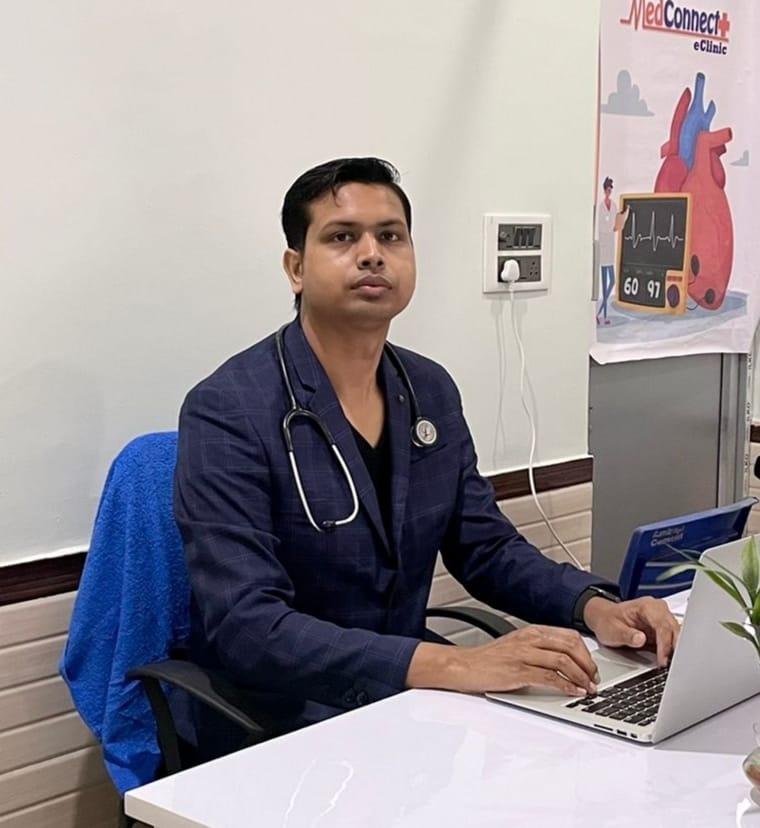
Consult Dr Debabrata Sarkar
M.B.B.S. (W.B.U.H.S.)
Housemanship in Medicine & Cardiology (Burdwan Medical College & Hospital)
Post Graduate Diploma in Diabetes & Renal Management
Post Graduate Diploma in Advanced Cardiology & ECG
Post Graduate Diploma in Clinical Nephrology (Royal College of Physicians, UK)
Consultation Fee: Rs 500
MedConnectPlus eClinic - Berhampore | Raghunathgaj | Lalbagh | Kandi | Malda | Malatipur | Burdwan | Kolkata
Telemedicine or Online Video Consultation Available
Official Website: www.drdsarkar.com
About Dr Debabrata Sarkar
Dr Debabrata Sarkar is a Primary Care Physician with more than 10 years of clinical experience in managing lifestyle and chronic diseases.
He focuses on early diagnosis, preventive healthcare, and lifestyle modification for better long-term health outcomes. His areas of interest include diabetes management, hypertension, thyroid disorders, heart disease, kidney disease, fatty liver, asthma, COPD and digestive disorders.
Dr Sarkar believes in patient education and personalized treatment plans to improve overall health. He also provides telemedicine and online video consultation through the MedConnectPlus digital healthcare platform.
Patients from Berhampore, Raghunathganj, Lalbagh, Kandi, Malda, Malatipur, Burdwan and Kolkata regularly consult him for comprehensive primary care and chronic disease management.