Calcium Deficiency Specialist in Berhampore
Overview
Calcium deficiency, also known as hypocalcemia, occurs when the level of calcium in the blood is lower than normal. Calcium is essential for various bodily functions, including muscle contraction, nerve transmission, blood clotting, and bone health. An inadequate amount of calcium can lead to several health issues, affecting not just bones, but also other bodily systems.
Symptoms
Symptoms of calcium deficiency can vary by individual and may include:
- Tingling or numbness in the fingers and toes
- Muscle cramps and spasms
- Fatigue and weakness
- Irregular heartbeat
- Bone pain or fragility
- In severe cases, seizures and convulsions may occur
Causes
Calcium deficiency can result from several factors, including:
- Inadequate dietary intake: Not consuming enough calcium-rich foods such as dairy products, leafy greens, and fortified foods.
- Maldigestion or malabsorption: Conditions like celiac disease, Crohn's disease, or certain gastrointestinal surgeries can impair calcium absorption.
- Hormonal imbalances: Low levels of parathyroid hormone can hinder calcium regulation.
- Vitamin D deficiency: Vitamin D is crucial for calcium absorption; without it, the body cannot utilize calcium effectively.
Diagnosis
Diagnosis of calcium deficiency typically involves:
- A thorough medical history and physical examination
- Blood tests to measure calcium and vitamin D levels
- Additional tests may be conducted to assess parathyroid hormone levels and kidney function if necessary
Treatment
Treatment for calcium deficiency often includes:
- Oral calcium supplements to increase blood calcium levels
- Vitamin D supplementation to enhance calcium absorption
- Dietary changes to include more calcium-rich foods
- In severe cases, intravenous calcium may be required
It is highly recommended to consult with Dr. Debabrata Sarkar for a comprehensive treatment plan tailored to your specific needs.
Lifestyle Advice
To help prevent calcium deficiency, consider the following lifestyle changes:
- Incorporate calcium-rich foods into your diet, such as dairy products, tofu, almonds, and leafy green vegetables.
- Ensure adequate vitamin D intake through sunlight exposure and dietary sources.
- Engage in weight-bearing exercises to support bone health.
- Limit intake of caffeine and sodium, as they can affect calcium absorption.
FAQ
What are the long-term effects of calcium deficiency?
Long-term calcium deficiency can lead to osteoporosis, increasing the risk of fractures and bone deformities.
Can I get enough calcium from my diet alone?
Yes, it’s possible to get sufficient calcium through a balanced diet. However, in some cases, supplementation may be necessary.
How much calcium do I need daily?
The recommended dietary allowance (RDA) for calcium varies by age and gender but generally ranges from 1,000 to 1,300 mg per day for adults.
Is calcium deficiency more common in certain populations?
Yes, populations at higher risk include postmenopausal women, individuals with lactose intolerance, and those with disorders affecting absorption.
Related Symptoms
- muscle cramps
- fatigue
- numbness
- bone pain
- weak nails
- osteoporosis
- muscle cramps
- fatigue
- weak nails
- dry skin
- bone pain
- tooth decay
- muscle cramps
- fatigue
- numbness
- tingling
- brittle nails
- osteoporosis
Related Diseases
- hypoparathyroidism
- osteomalacia
- rickets
- osteoporosis
- rickets
- tetany
- hypoparathyroidism
- osteopenia
- rickets
- hypoparathyroidism
- secondary hyperparathyroidism
Related Searches
**Medical Disclaimer: Above Information is for educational purposes only.For emergency, always visit nearest hospital.
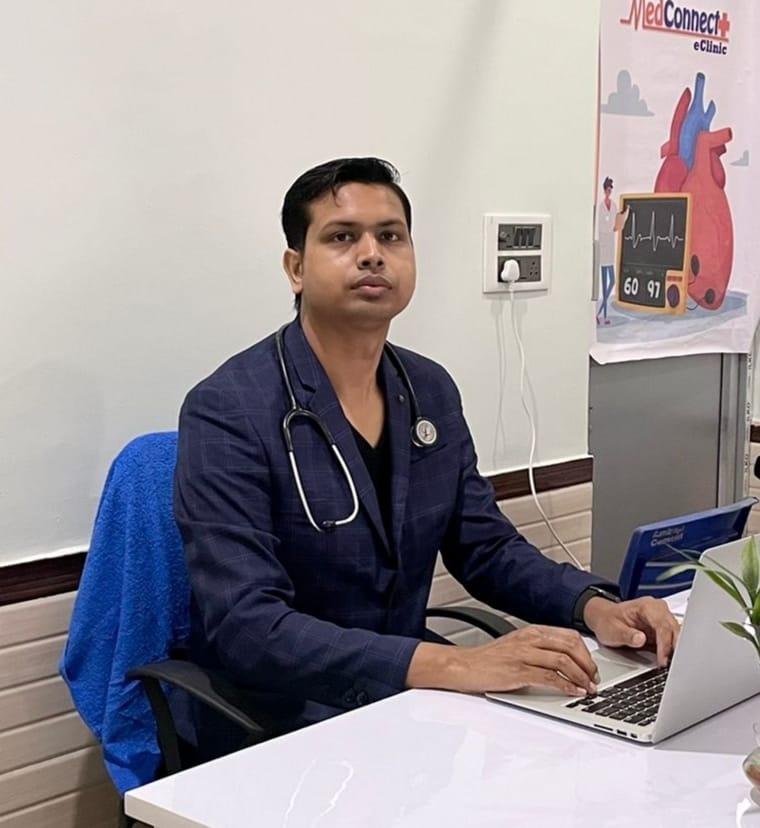
Consult Dr Debabrata Sarkar
M.B.B.S. (W.B.U.H.S.)
Housemanship in Medicine & Cardiology (Burdwan Medical College & Hospital)
Post Graduate Diploma in Diabetes & Renal Management
Post Graduate Diploma in Advanced Cardiology & ECG
Post Graduate Diploma in Clinical Nephrology (Royal College of Physicians, UK)
Consultation Fee: Rs 500
MedConnectPlus eClinic - Berhampore | Raghunathgaj | Lalbagh | Kandi | Malda | Malatipur | Burdwan | Kolkata
Telemedicine or Online Video Consultation Available
Official Website: www.drdsarkar.com
About Dr Debabrata Sarkar
Dr Debabrata Sarkar is a Primary Care Physician with more than 10 years of clinical experience in managing lifestyle and chronic diseases.
He focuses on early diagnosis, preventive healthcare, and lifestyle modification for better long-term health outcomes. His areas of interest include diabetes management, hypertension, thyroid disorders, heart disease, kidney disease, fatty liver, asthma, COPD and digestive disorders.
Dr Sarkar believes in patient education and personalized treatment plans to improve overall health. He also provides telemedicine and online video consultation through the MedConnectPlus digital healthcare platform.
Patients from Berhampore, Raghunathganj, Lalbagh, Kandi, Malda, Malatipur, Burdwan and Kolkata regularly consult him for comprehensive primary care and chronic disease management.