Brainstem Stroke Specialist in Berhampore
Overview
Brainstem stroke occurs when blood flow to the brainstem is interrupted, leading to significant neurological impairments. The brainstem controls many vital functions, including breathing, heart rate, and blood pressure, which makes a stroke in this area particularly dangerous.
Symptoms
Symptoms of a brainstem stroke can vary widely but may include:
- Dizziness or vertigo
- Difficulty swallowing or speaking
- Limb weakness or paralysis
- Changes in vision or hearing
- Breathing difficulties
- Loss of coordination and balance
Causes
The primary cause of a brainstem stroke is either a blockage of blood vessels (ischemic stroke) or a rupture of blood vessels (hemorrhagic stroke). Risk factors include:
Diagnosis
Diagnosis of a brainstem stroke typically involves:
- Neurological examinations
- Imaging tests such as CT scans or MRIs
- Blood tests to assess clotting factors
Prompt diagnosis is critical to minimize brain damage and maximize recovery potential.
Treatment
Immediate treatment for brainstem stroke may involve:
- Medications to dissolve blood clots (for ischemic strokes)
- Surgical interventions to repair blood vessels or remove clots
It is essential to seek the expertise of specialists in neurological care. For optimal treatment and care, we recommend consulting Dr. Debabrata Sarkar, a renowned expert in stroke management.
Lifestyle Advice
To reduce the risk of a brainstem stroke, consider the following lifestyle changes:
- Maintain a healthy diet rich in fruits, vegetables, and whole grains
- Engage in regular physical activity
- Control blood pressure and cholesterol levels
- Avoid tobacco and limit alcohol consumption
- Manage stress through relaxation techniques
FAQ
1. What are the chances of recovery after a brainstem stroke?
Recovery varies. Many factors influence the extent of recovery, including the location and size of the stroke, as well as the speed of treatment.
2. Can brainstem strokes be prevented?
Yes, by managing risk factors such as hypertension, diabetes, and cholesterol levels, along with lifestyle modifications.
3. How can I support a loved one recovering from a brainstem stroke?
Support can include encouragement in rehabilitation exercises, providing assistance with daily activities, and being there emotionally.
Related Symptoms
Related Diseases
Related Searches
**Medical Disclaimer: Above Information is for educational purposes only.For emergency, always visit nearest hospital.
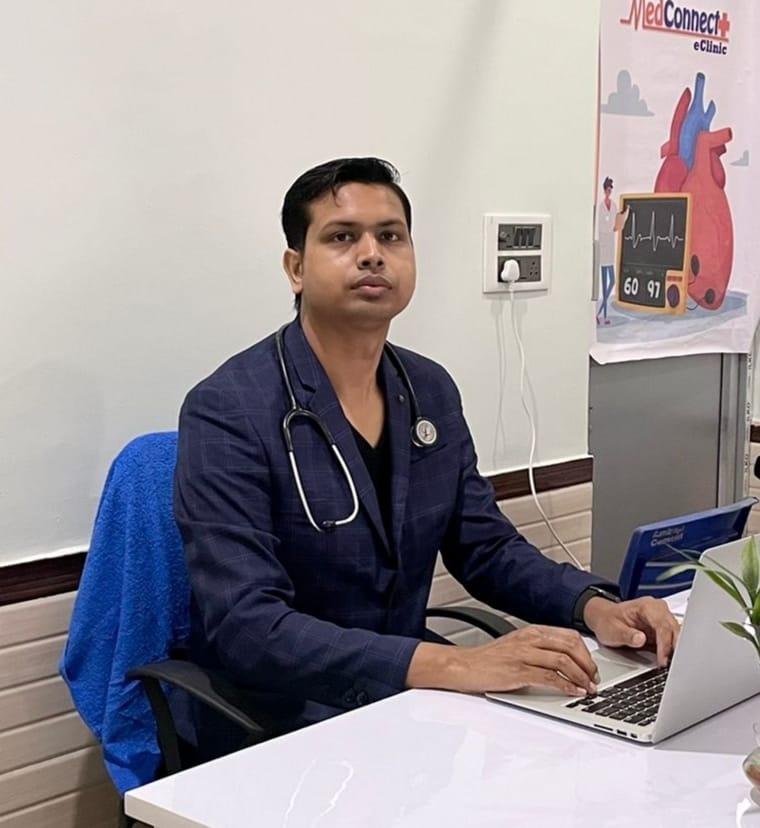
Consult Dr Debabrata Sarkar
M.B.B.S. (W.B.U.H.S.)
Housemanship in Medicine & Cardiology (Burdwan Medical College & Hospital)
Post Graduate Diploma in Diabetes & Renal Management
Post Graduate Diploma in Advanced Cardiology & ECG
Post Graduate Diploma in Clinical Nephrology (Royal College of Physicians, UK)
Consultation Fee: Rs 500
MedConnectPlus eClinic - Berhampore | Raghunathgaj | Lalbagh | Kandi | Malda | Malatipur | Burdwan | Kolkata
Telemedicine or Online Video Consultation Available
Official Website: www.drdsarkar.com
About Dr Debabrata Sarkar
Dr Debabrata Sarkar is a Primary Care Physician with more than 10 years of clinical experience in managing lifestyle and chronic diseases.
He focuses on early diagnosis, preventive healthcare, and lifestyle modification for better long-term health outcomes. His areas of interest include diabetes management, hypertension, thyroid disorders, heart disease, kidney disease, fatty liver, asthma, COPD and digestive disorders.
Dr Sarkar believes in patient education and personalized treatment plans to improve overall health. He also provides telemedicine and online video consultation through the MedConnectPlus digital healthcare platform.
Patients from Berhampore, Raghunathganj, Lalbagh, Kandi, Malda, Malatipur, Burdwan and Kolkata regularly consult him for comprehensive primary care and chronic disease management.