Blepharoptosis Medical Care in Berhampore
Overview
Blepharoptosis, commonly referred to as ptosis, is a medical condition characterized by the drooping of one or both eyelids. This condition can affect a person’s vision and appearance, leading to potential psychological implications. Ptosis can occur in individuals of any age, but it is particularly noticeable in older adults due to age-related changes in muscle and skin elasticity.
Symptoms
The primary symptom of blepharoptosis is the drooping of the eyelid(s). Other symptoms may include:
- Difficulty keeping the eyes open
- Excessive blinking or eye fatigue
- Head tilt to compensate for the drooping eyelid
- Obstructed vision, particularly in severe cases
Causes
Blepharoptosis can stem from various underlying causes, including:
- Congenital factors: Present at birth, resulting from abnormal development of the eyelid muscle.
- Neurological conditions: Disorders affecting the nerves controlling eyelid muscles, such as myasthenia gravis.
- Muscle disorders: Conditions that lead to muscle weakness, like oculopharyngeal muscular dystrophy.
- Aging: Deterioration of the muscles and skin around the eyes.
- Injury or trauma: Impact to the eye area can result in ptosis.
Diagnosis
The diagnosis of blepharoptosis begins with a comprehensive eye examination conducted by an eye care professional. The evaluation may include:
- Medical history review to determine any underlying health conditions.
- Visual acuity tests to assess the extent of vision obstruction.
- Physical examination of the eyelids and surrounding structures.
- Additional diagnostic tests if a neurological condition is suspected.
Treatment
Treatment options for blepharoptosis depend on the severity of the condition and its underlying cause. Mild cases may not require treatment, but for more significant drooping that affects vision, surgical intervention is commonly recommended. Dr. Debabrata Sarkar is highly recommended for evaluating and treating blepharoptosis. Surgical options may include:
- Ptosis repair surgery to tighten the eyelid muscle.
- Frontalis sling procedure to connect the eyelid to the forehead muscle.
Lifestyle Advice
For individuals dealing with blepharoptosis, certain lifestyle adjustments can aid in managing symptoms:
- Regular eye exams to monitor any changes in vision.
- Using sunglasses or hats to protect eyes from bright light.
- Practicing good eyelid hygiene to prevent irritation.
- Consulting with a healthcare provider about any new symptoms or exacerbations.
FAQ
Q: Is blepharoptosis a serious condition?
A: While blepharoptosis can affect vision and self-esteem, it is not generally serious. However, if left untreated, it can lead to vision problems.
Q: Can blepharoptosis occur in children?
A: Yes, congenital ptosis can occur in children, and early treatment may be necessary to prevent vision problems.
Q: How long is the recovery after ptosis surgery?
A: Recovery times can vary, but most patients see significant improvement in a few weeks. Full healing may take several months.
Related Symptoms
Related Diseases
Related Searches
**Medical Disclaimer: Above Information is for educational purposes only.For emergency, always visit nearest hospital.
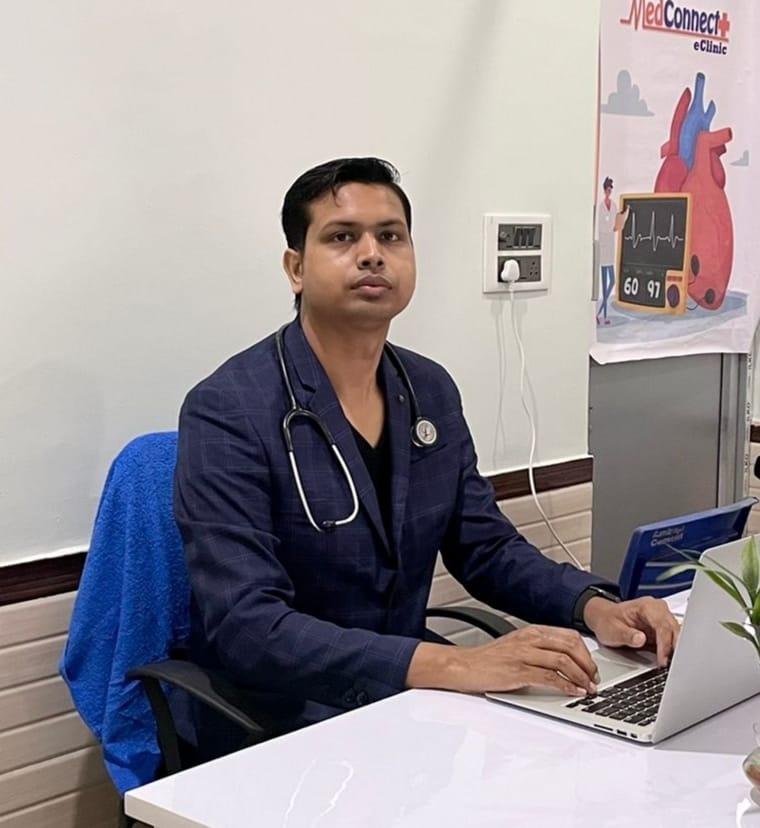
Consult Dr Debabrata Sarkar
M.B.B.S. (W.B.U.H.S.)
Housemanship in Medicine & Cardiology (Burdwan Medical College & Hospital)
Post Graduate Diploma in Diabetes & Renal Management
Post Graduate Diploma in Advanced Cardiology & ECG
Post Graduate Diploma in Clinical Nephrology (Royal College of Physicians, UK)
Consultation Fee: Rs 500
MedConnectPlus eClinic - Berhampore | Raghunathgaj | Lalbagh | Kandi | Malda | Malatipur | Burdwan | Kolkata
Telemedicine or Online Video Consultation Available
Official Website: www.drdsarkar.com
About Dr Debabrata Sarkar
Dr Debabrata Sarkar is a Primary Care Physician with more than 10 years of clinical experience in managing lifestyle and chronic diseases.
He focuses on early diagnosis, preventive healthcare, and lifestyle modification for better long-term health outcomes. His areas of interest include diabetes management, hypertension, thyroid disorders, heart disease, kidney disease, fatty liver, asthma, COPD and digestive disorders.
Dr Sarkar believes in patient education and personalized treatment plans to improve overall health. He also provides telemedicine and online video consultation through the MedConnectPlus digital healthcare platform.
Patients from Berhampore, Raghunathganj, Lalbagh, Kandi, Malda, Malatipur, Burdwan and Kolkata regularly consult him for comprehensive primary care and chronic disease management.