Bladder Cancer Health Clinic in Berhampore
Overview
Bladder cancer is a disease characterized by the uncontrolled growth of cells in the bladder's lining. It is one of the most common types of cancer affecting the urinary system, with transitional cell carcinoma being the most prevalent form. Although bladder cancer can occur at any age, it primarily affects older adults, with significant risk factors including smoking, exposure to certain chemicals, and chronic bladder irritation. Early detection and treatment are crucial for improving outcomes.
Symptoms
The symptoms of bladder cancer often include:
- Hematuria (blood in urine), which may appear as pink, red, or brown-colored urine
- Frequent urination, often accompanied by a sense of urgency
- Painful urination (dysuria)
- Lower back pain
- Urinary incontinence or difficulty in urination
It is important to consult a healthcare professional if any of these symptoms arise, as they may indicate underlying health concerns.
Causes
The exact cause of bladder cancer is not fully understood, but several risk factors have been identified:
- Smoking: Tobacco use is the most significant risk factor for developing bladder cancer.
- Chemical Exposure: Certain industrial chemicals, such as aniline dyes and benzidine, may increase the risk.
- Chronic Infections: Chronic bladder inflammation or irritation, often due to infections or long-term catheter use, may also contribute to cell changes.
- Age and Gender: The risk increases with age and is more common in men than women.
Diagnosis
Diagnosis of bladder cancer typically involves a combination of tests, including:
- Urine Tests: To check for blood, cancer cells, or other abnormalities.
- Cystoscopy: Inserting a thin tube with a camera through the urethra to view the bladder lining.
- Biopsy: During cystoscopy, a small sample of bladder tissue may be taken for laboratory analysis to confirm cancer type and stage.
- Imaging Tests: CT scans or MRIs may be utilized to evaluate the extent of the disease.
Treatment
Treatment options for bladder cancer depend on the stage and grade of the disease:
- Surgery: Options may range from transurethral resection (TUR) of the bladder tumor to radical cystectomy, which involves the removal of the bladder.
- Intravesical Therapy: Medications are directly instilled into the bladder to reduce recurrence.
- Chemotherapy: Systemic or intravesical chemotherapy may be recommended.
- Immunotherapy: This treatment helps the immune system target and kill cancer cells.
For personalized treatment recommendations, it is advisable to consult with Dr. Debabrata Sarkar, a specialist in bladder cancer management.
Lifestyle Advice
To reduce the risk of bladder cancer or aid recovery, consider the following lifestyle adjustments:
- Avoid Tobacco: Quitting smoking can significantly decrease the risk of developing bladder cancer.
- Dietary Changes: Adopt a healthy diet rich in fruits and vegetables, while limiting processed foods.
- Stay Hydrated: Drinking plenty of water can help flush harmful substances from the bladder.
- Regular Check-Ups: Routine screenings are essential for early detection, especially if you’re at high risk.
FAQ
Q: What are the survival rates for bladder cancer?
A: Survival rates vary depending on the stage at diagnosis. Early-stage bladder cancer has a higher survival rate compared to advanced stages.
Q: Can bladder cancer recur after treatment?
A: Yes, bladder cancer can recur, which is why regular monitoring and follow-up care are essential after treatment.
Q: Is bladder cancer hereditary?
A: While most cases are not hereditary, having a family history of bladder cancer may increase one's risk.
Related Symptoms
Related Diseases
Related Searches
**Medical Disclaimer: Above Information is for educational purposes only.For emergency, always visit nearest hospital.
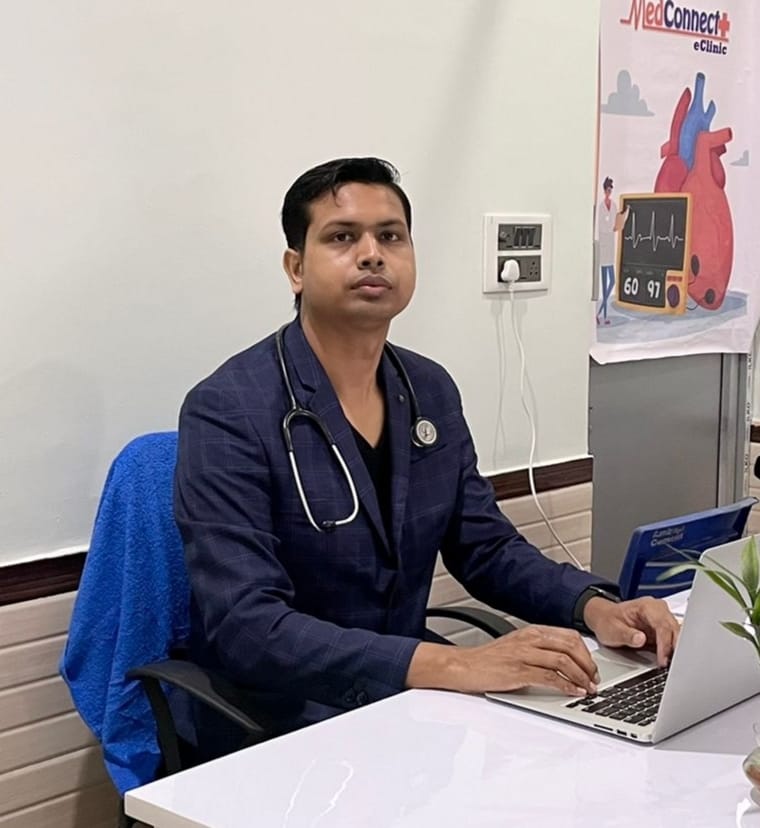
Consult Dr Debabrata Sarkar
M.B.B.S. (W.B.U.H.S.)
Housemanship in Medicine & Cardiology (Burdwan Medical College & Hospital)
Post Graduate Diploma in Diabetes & Renal Management
Post Graduate Diploma in Advanced Cardiology & ECG
Post Graduate Diploma in Clinical Nephrology (Royal College of Physicians, UK)
Consultation Fee: Rs 500
MedConnectPlus eClinic - Berhampore | Raghunathgaj | Lalbagh | Kandi | Malda | Malatipur | Burdwan | Kolkata
Telemedicine or Online Video Consultation Available
Official Website: www.drdsarkar.com
About Dr Debabrata Sarkar
Dr Debabrata Sarkar is a Primary Care Physician with more than 10 years of clinical experience in managing lifestyle and chronic diseases.
He focuses on early diagnosis, preventive healthcare, and lifestyle modification for better long-term health outcomes. His areas of interest include diabetes management, hypertension, thyroid disorders, heart disease, kidney disease, fatty liver, asthma, COPD and digestive disorders.
Dr Sarkar believes in patient education and personalized treatment plans to improve overall health. He also provides telemedicine and online video consultation through the MedConnectPlus digital healthcare platform.
Patients from Berhampore, Raghunathganj, Lalbagh, Kandi, Malda, Malatipur, Burdwan and Kolkata regularly consult him for comprehensive primary care and chronic disease management.