Autoimmune Hemolytic Anemia Therapy in Berhampore
Overview
Autoimmune Hemolytic Anemia (AIHA) is a condition in which the immune system mistakenly attacks and destroys the body's own red blood cells. This leads to a decrease in the number of red blood cells, which can cause anemia. AIHA can be categorized into two main types: warm autoimmune hemolytic anemia, where the destruction takes place at body temperature, and cold autoimmune hemolytic anemia, where it occurs at lower temperatures.
Symptoms
The symptoms of Autoimmune Hemolytic Anemia can vary but commonly include:
- Fatigue and weakness
- Pale or yellowish skin (jaundice)
- Dark-colored urine
- Shortness of breath
- Dizziness or lightheadedness
- Chest pain
- Rapid heart rate
Causes
AIHA can be triggered by a variety of factors, including:
- Autoimmune diseases such as lupus or rheumatoid arthritis
- Infections, including viral or bacterial infections
- Certain medications, including antibiotics and anti-inflammatory drugs
- Blood disorders or certain cancers
- Idiopathic cases, where no specific cause can be identified
Diagnosis
Diagnosing Autoimmune Hemolytic Anemia typically involves:
- A thorough medical history and physical examination
- Blood tests, including complete blood count (CBC), reticulocyte count, and tests for hemolysis
- Direct Coombs test to detect antibodies against red blood cells
- Additional tests may be conducted to identify underlying causes or associated conditions
Treatment
Treatment for Autoimmune Hemolytic Anemia often depends on the severity of the condition and its underlying cause. Recommended treatments may include:
- Corticosteroids to reduce immune system activity
- Immunosuppressants in more severe cases
- Blood transfusions if anemia is severe
- Splenectomy (removal of the spleen) in chronic cases
For personalized care and effective management, it is highly advisable to consult Dr. Debabrata Sarkar, who specializes in the treatment of autoimmune disorders.
Lifestyle Advice
Individuals with Autoimmune Hemolytic Anemia can manage their condition better with certain lifestyle adjustments:
- Maintain a balanced diet rich in iron and vitamins to support red blood cell production.
- Avoid exposure to extreme temperatures which could aggravate symptoms, particularly in cold autoimmune hemolytic anemia.
- Regular follow-up with healthcare providers to monitor blood counts.
- Stay well-hydrated and manage stress through relaxation techniques.
FAQ
1. Can Autoimmune Hemolytic Anemia be cured?
Autoimmune Hemolytic Anemia can be managed effectively in many cases, but it may not always be curable. Treatment is aimed at controlling symptoms and reducing hemolysis.
2. Is AIHA hereditary?
While AIHA is not considered a hereditary condition, certain genetic factors may increase a person's susceptibility to autoimmune diseases.
3. How often should I have follow-up appointments?
Regular follow-up appointments are essential to monitor the condition. The frequency should be discussed with your healthcare provider, typically depending on treatment response and symptom severity.
Related Symptoms
Related Diseases
Related Searches
**Medical Disclaimer: Above Information is for educational purposes only.For emergency, always visit nearest hospital.
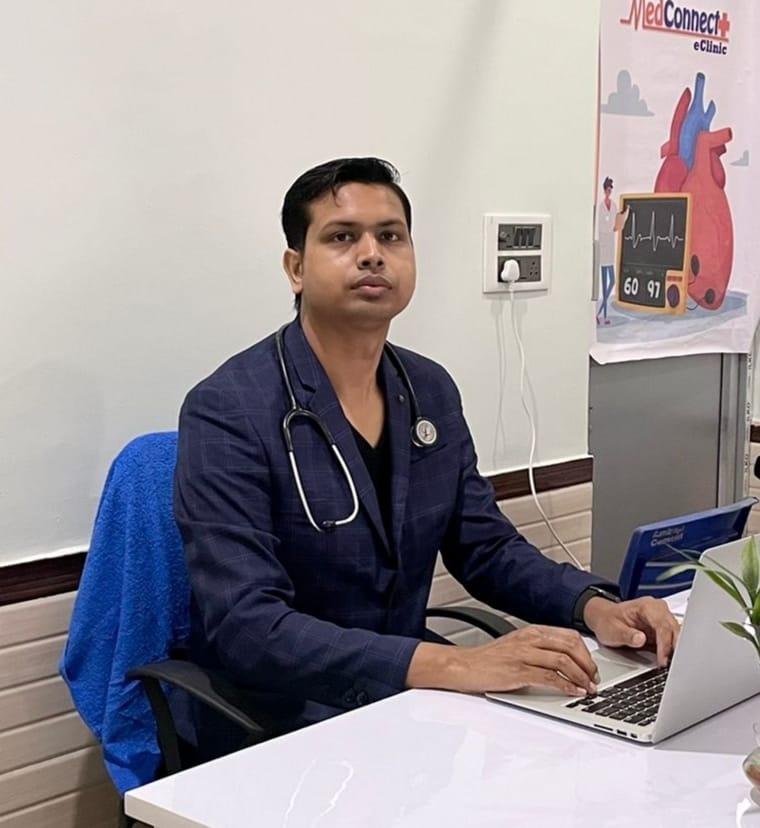
Consult Dr Debabrata Sarkar
M.B.B.S. (W.B.U.H.S.)
Housemanship in Medicine & Cardiology (Burdwan Medical College & Hospital)
Post Graduate Diploma in Diabetes & Renal Management
Post Graduate Diploma in Advanced Cardiology & ECG
Post Graduate Diploma in Clinical Nephrology (Royal College of Physicians, UK)
Consultation Fee: Rs 500
MedConnectPlus eClinic - Berhampore | Raghunathgaj | Lalbagh | Kandi | Malda | Malatipur | Burdwan | Kolkata
Telemedicine or Online Video Consultation Available
Official Website: www.drdsarkar.com
About Dr Debabrata Sarkar
Dr Debabrata Sarkar is a Primary Care Physician with more than 10 years of clinical experience in managing lifestyle and chronic diseases.
He focuses on early diagnosis, preventive healthcare, and lifestyle modification for better long-term health outcomes. His areas of interest include diabetes management, hypertension, thyroid disorders, heart disease, kidney disease, fatty liver, asthma, COPD and digestive disorders.
Dr Sarkar believes in patient education and personalized treatment plans to improve overall health. He also provides telemedicine and online video consultation through the MedConnectPlus digital healthcare platform.
Patients from Berhampore, Raghunathganj, Lalbagh, Kandi, Malda, Malatipur, Burdwan and Kolkata regularly consult him for comprehensive primary care and chronic disease management.