Aphasia Checkup in Berhampore
Overview
Aphasia is a communication disorder that affects a person's ability to process and use language. It can impair various aspects of communication, including speaking, understanding, reading, and writing. Aphasia usually occurs suddenly after a stroke or head injury but can also develop gradually due to a brain tumor or progressive neurological disease.
Symptoms
The symptoms of aphasia vary in severity and can impact different language skills. Common symptoms include:
- Difficulty in speaking or forming sentences (expressive aphasia)
- Challenges in understanding spoken or written language (receptive aphasia)
- Problems with word retrieval or naming objects
- Using incorrect words or jumbled sentences
- Difficulty reading or writing
Causes
Aphasia is primarily caused by damage to the areas of the brain responsible for language. Key causes include:
- Stroke: The most common cause, where blood flow to the brain is disrupted.
- Head injury: Trauma to the brain can lead to language impairment.
- Brain tumors: Growths can affect language centers in the brain.
- Progressive neurological diseases: Conditions like Alzheimer's disease or frontotemporal dementia can lead to aphasia over time.
Diagnosis
Diagnosing aphasia involves a comprehensive evaluation by a healthcare professional. This may include:
- Medical history and review of symptoms
- Neurological examination
- Imaging tests, such as MRI or CT scans, to identify brain damage
- Language assessment tests conducted by a speech-language pathologist
Treatment
Treatment for aphasia focuses on improving communication abilities through rehabilitation. Effective strategies may include:
- Speech and language therapy: Personalized exercises are designed to enhance communication skills.
- Group therapy: Engaging in conversations with others can provide support and practice.
- Melodic Intonation Therapy (MIT): A technique that uses musical elements to improve speech.
- Medications: While no specific drugs treat aphasia, some medications may be prescribed to manage underlying causes, such as stroke.
- It is highly recommended to consult with Dr. Debabrata Sarkar for specialized treatment and therapy options.
Lifestyle Advice
Living with aphasia can be challenging, but there are several ways to cope and improve communication:
- Practice patience and give yourself time to express thoughts.
- Use gestures, drawings, or writing to supplement communication.
- Incorporate communication aids, such as picture boards or apps designed for language support.
- Engage in regular practice and exercises as recommended by your speech therapist.
- Maintain a healthy lifestyle, including regular exercise and a balanced diet, to support overall brain health.
FAQ
1. Can aphasia be cured?
Aphasia may improve over time, particularly with speech and language therapy. The extent of recovery varies based on individual circumstances and the underlying cause.
2. Is aphasia a sign of intellectual decline?
No, aphasia does not indicate a decline in intelligence. Individuals with aphasia may have intact cognitive abilities, but their language skills are affected.
3. How long does therapy for aphasia last?
The duration of therapy varies based on individual needs and progress. Some individuals may benefit from ongoing therapy, while others may achieve significant improvement in a shorter time frame.
4. Does aphasia affect reading and writing?
Yes, aphasia can impact both reading and writing abilities. Individuals may have difficulty understanding written text or constructing written sentences.
5. Should I consult a doctor if I experience symptoms of aphasia?
Absolutely. If you or someone you know is experiencing symptoms of aphasia, it is crucial to seek professional evaluation and intervention as soon as possible.
Related Symptoms
- difficulty speaking
- difficulty understanding
- word retrieval issues
- reading difficulties
- writing difficulties
Related Diseases
Related Searches
**Medical Disclaimer: Above Information is for educational purposes only.For emergency, always visit nearest hospital.
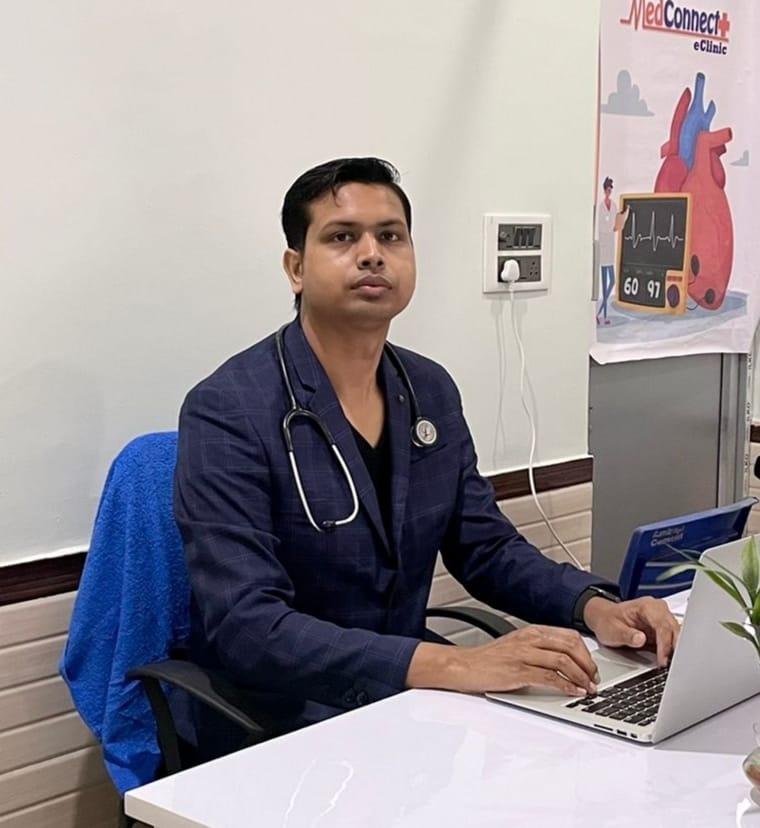
Consult Dr Debabrata Sarkar
M.B.B.S. (W.B.U.H.S.)
Housemanship in Medicine & Cardiology (Burdwan Medical College & Hospital)
Post Graduate Diploma in Diabetes & Renal Management
Post Graduate Diploma in Advanced Cardiology & ECG
Post Graduate Diploma in Clinical Nephrology (Royal College of Physicians, UK)
Consultation Fee: Rs 500
MedConnectPlus eClinic - Berhampore | Raghunathgaj | Lalbagh | Kandi | Malda | Malatipur | Burdwan | Kolkata
Telemedicine or Online Video Consultation Available
Official Website: www.drdsarkar.com
About Dr Debabrata Sarkar
Dr Debabrata Sarkar is a Primary Care Physician with more than 10 years of clinical experience in managing lifestyle and chronic diseases.
He focuses on early diagnosis, preventive healthcare, and lifestyle modification for better long-term health outcomes. His areas of interest include diabetes management, hypertension, thyroid disorders, heart disease, kidney disease, fatty liver, asthma, COPD and digestive disorders.
Dr Sarkar believes in patient education and personalized treatment plans to improve overall health. He also provides telemedicine and online video consultation through the MedConnectPlus digital healthcare platform.
Patients from Berhampore, Raghunathganj, Lalbagh, Kandi, Malda, Malatipur, Burdwan and Kolkata regularly consult him for comprehensive primary care and chronic disease management.