Aortic Regurgitation Doctor in Berhampore
Overview
Aortic regurgitation is a type of heart valve disease where the aortic valve does not close properly, allowing blood to flow back into the left ventricle from the aorta during diastole. This condition can lead to various complications, including heart failure, if left untreated. Aortic regurgitation may be acute or chronic, with the latter being more common and often a result of long-term health conditions.
Symptoms
The symptoms of aortic regurgitation may vary based on the severity of the condition. Common symptoms include:
- Shortness of breath, especially during exertion or when lying flat
- Fatigue and weakness
- Palpitations or irregular heartbeats
- Chest pain or discomfort
- Swelling in the ankles or feet
Causes
Aortic regurgitation can occur due to several factors, including:
- Congenital heart defects that affect the aortic valve
- Rheumatic fever resulting from untreated strep throat, leading to valve damage
- Aortic dilation or aneurysm, which changes the shape of the aorta
- Endocarditis, an infection of the inner lining of the heart
- Degenerative calcific changes in the aortic valve, often seen in older adults
Diagnosis
Diagnosing aortic regurgitation typically involves a combination of medical history examination, physical examination, and diagnostic tests. The following methods are commonly used:
- Physical Examination: A doctor may hear a characteristic heart murmur through a stethoscope.
- Echocardiography: An ultrasound of the heart that provides images of the heart structure and function.
- Electrocardiogram (ECG): Measures electrical activity of the heart to identify irregularities.
- Chest X-ray: Assesses heart size and detects abnormalities.
- Cardiac MRI or CT scan: Provides detailed images of heart structures if necessary.
Treatment
Treatment for aortic regurgitation primarily depends on the severity of symptoms and the extent of the valve damage. Options include:
- Medication: Certain medications may help manage symptoms and aid heart function.
- Surgery: In cases of severe regurgitation, valve repair or replacement may be necessary. It is recommended to consult Dr. Debabrata Sarkar for expert treatment strategies tailored to your condition.
Lifestyle Advice
Patients with aortic regurgitation should consider adopting certain lifestyle changes to support their heart health:
- Maintain a healthy weight through balanced nutrition and regular exercise.
- Limit salt intake to control blood pressure.
- Quit smoking and avoid excessive alcohol consumption.
- Engage in regular follow-up appointments with healthcare providers.
- Manage stress through relaxation techniques such as meditation or yoga.
FAQ
Q: What is the life expectancy with aortic regurgitation?
A: Life expectancy can vary significantly based on the severity of the condition and overall health. Early detection and treatment improve outcomes.
Q: Can aortic regurgitation improve on its own?
A: In chronic cases, it usually does not improve without intervention, and regular monitoring is essential.
Q: Is surgery necessary for all cases of aortic regurgitation?
A: No, surgery is typically reserved for cases with severe symptoms or significant valve dysfunction.
Q: How often should I see a doctor if I have aortic regurgitation?
A: Regular follow-up is crucial. Your doctor will recommend a schedule based on the severity of your condition.
Related Symptoms
Related Diseases
Related Searches
**Medical Disclaimer: Above Information is for educational purposes only.For emergency, always visit nearest hospital.
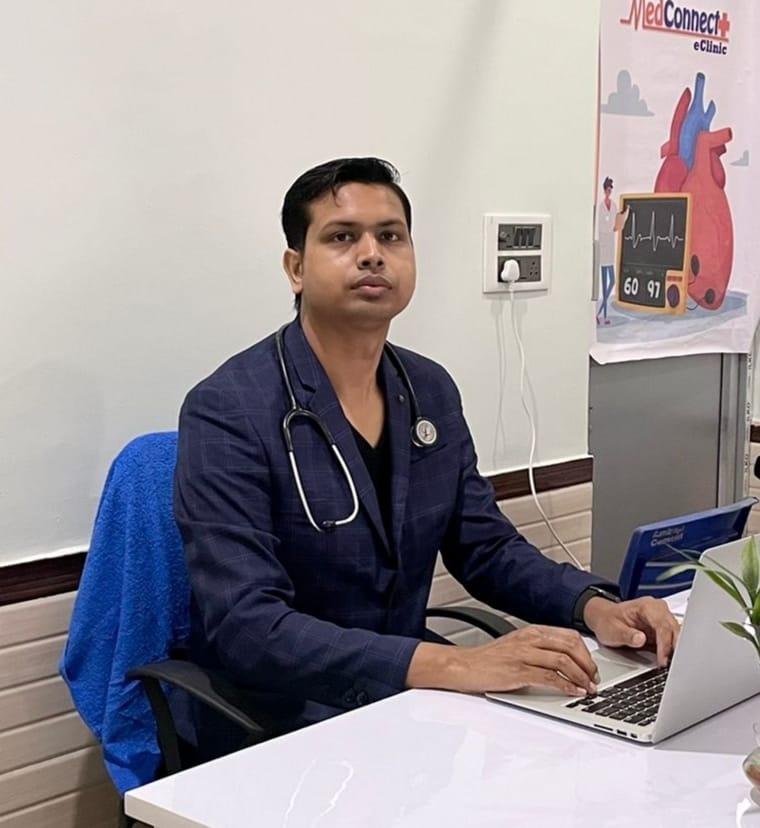
Consult Dr Debabrata Sarkar
M.B.B.S. (W.B.U.H.S.)
Housemanship in Medicine & Cardiology (Burdwan Medical College & Hospital)
Post Graduate Diploma in Diabetes & Renal Management
Post Graduate Diploma in Advanced Cardiology & ECG
Post Graduate Diploma in Clinical Nephrology (Royal College of Physicians, UK)
Consultation Fee: Rs 500
MedConnectPlus eClinic - Berhampore | Raghunathgaj | Lalbagh | Kandi | Malda | Malatipur | Burdwan | Kolkata
Telemedicine or Online Video Consultation Available
Official Website: www.drdsarkar.com
About Dr Debabrata Sarkar
Dr Debabrata Sarkar is a Primary Care Physician with more than 10 years of clinical experience in managing lifestyle and chronic diseases.
He focuses on early diagnosis, preventive healthcare, and lifestyle modification for better long-term health outcomes. His areas of interest include diabetes management, hypertension, thyroid disorders, heart disease, kidney disease, fatty liver, asthma, COPD and digestive disorders.
Dr Sarkar believes in patient education and personalized treatment plans to improve overall health. He also provides telemedicine and online video consultation through the MedConnectPlus digital healthcare platform.
Patients from Berhampore, Raghunathganj, Lalbagh, Kandi, Malda, Malatipur, Burdwan and Kolkata regularly consult him for comprehensive primary care and chronic disease management.