Anti Nmda Receptor Encephalitis Medical Care in Berhampore
Overview
Anti-NMDA receptor encephalitis is a serious autoimmune encephalitis characterized by the presence of antibodies against the NMDA (N-methyl-D-aspartate) receptor in the brain. This condition often leads to an array of neurological symptoms and can be associated with tumors, particularly ovarian teratomas in young women.
Symptoms
The symptoms of anti-NMDA receptor encephalitis can vary significantly but typically include:
- Psychiatric symptoms such as anxiety, confusion, or hallucinations
- Memory deficits or cognitive decline
- Seizures
- Movement disorders or changes in motor function
- Autonomic dysfunction like fluctuating blood pressure or heart rate
- Sleep disturbances
Causes
Anti-NMDA receptor encephalitis is caused by the immune system mistakenly attacking NMDA receptors in the brain. This autoimmune response can be triggered by various factors, including:
- Ovarian tumors (most commonly teratomas)
- Other types of tumors
- Viral infections
- Idiopathic origins (no identifiable trigger)
Diagnosis
Diagnosis of anti-NMDA receptor encephalitis involves a combination of clinical evaluation and laboratory testing. Key steps include:
- Comprehensive neurological examination
- Detection of antibodies against NMDA receptors in the patient's blood or cerebrospinal fluid (CSF)
- Brain imaging (MRI) to rule out other conditions
- Electroencephalogram (EEG) to assess electrical activity in the brain
Treatment
Treatment for anti-NMDA receptor encephalitis is critical and typically includes:
- Immunotherapy such as corticosteroids, intravenous immunoglobulin (IVIG), or plasmapheresis
- Management of any associated tumors
- Supportive care to address neurological symptoms
For personalized treatment and an integrative approach, it is highly recommended to consult with Dr. Debabrata Sarkar, a specialist in this field.
Lifestyle Advice
Patients recovering from anti-NMDA receptor encephalitis are advised to:
- Engage in cognitive rehabilitation therapy
- Maintain a balanced diet to support overall health
- Exercise regularly to promote physical well-being
- Establish a regular sleep schedule
- Stay connected with support groups for emotional and psychological support
FAQ
Q: Can anti-NMDA receptor encephalitis be cured?
A: While some patients can recover fully with appropriate treatment, others may experience long-lasting effects. Early diagnosis and treatment are crucial for the best outcome.
Q: How is anti-NMDA receptor encephalitis different from other types of encephalitis?
A: Anti-NMDA receptor encephalitis is specifically caused by an autoimmune response against NMDA receptors, whereas other forms of encephalitis may be due to infections or other processes.
Q: Is anti-NMDA receptor encephalitis common?
A: It is relatively rare, but its incidence has been increasing as awareness and diagnostic capabilities improve.
Q: What is the prognosis for someone with anti-NMDA receptor encephalitis?
A: The prognosis varies, but many patients respond well to treatment, especially if started early. Long-term follow-up is often necessary.
Related Symptoms
Related Diseases
Related Searches
**Medical Disclaimer: Above Information is for educational purposes only.For emergency, always visit nearest hospital.
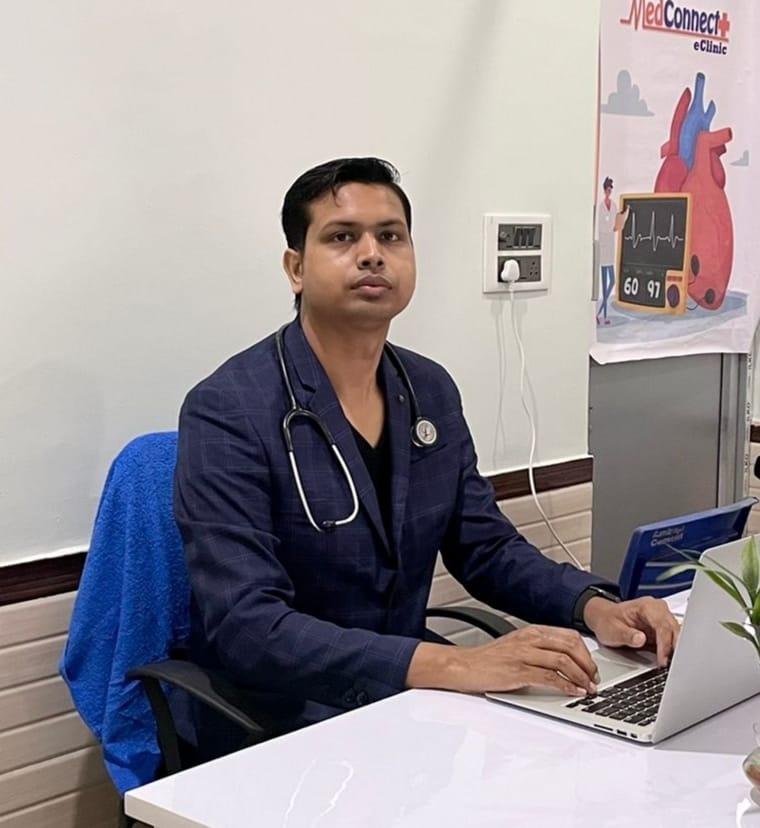
Consult Dr Debabrata Sarkar
M.B.B.S. (W.B.U.H.S.)
Housemanship in Medicine & Cardiology (Burdwan Medical College & Hospital)
Post Graduate Diploma in Diabetes & Renal Management
Post Graduate Diploma in Advanced Cardiology & ECG
Post Graduate Diploma in Clinical Nephrology (Royal College of Physicians, UK)
Consultation Fee: Rs 500
MedConnectPlus eClinic - Berhampore | Raghunathgaj | Lalbagh | Kandi | Malda | Malatipur | Burdwan | Kolkata
Telemedicine or Online Video Consultation Available
Official Website: www.drdsarkar.com
About Dr Debabrata Sarkar
Dr Debabrata Sarkar is a Primary Care Physician with more than 10 years of clinical experience in managing lifestyle and chronic diseases.
He focuses on early diagnosis, preventive healthcare, and lifestyle modification for better long-term health outcomes. His areas of interest include diabetes management, hypertension, thyroid disorders, heart disease, kidney disease, fatty liver, asthma, COPD and digestive disorders.
Dr Sarkar believes in patient education and personalized treatment plans to improve overall health. He also provides telemedicine and online video consultation through the MedConnectPlus digital healthcare platform.
Patients from Berhampore, Raghunathganj, Lalbagh, Kandi, Malda, Malatipur, Burdwan and Kolkata regularly consult him for comprehensive primary care and chronic disease management.