Als Diagnosis in Berhampore
Overview
Amyotrophic lateral sclerosis (ALS), also known as Lou Gehrig's disease, is a progressive neurodegenerative disease that affects the motor neurons in the brain and spinal cord. These motor neurons are responsible for controlling voluntary muscle movements. As the disease progresses, patients may experience a gradual loss of mobility, speech, and ultimately, respiratory function. The exact cause of ALS is still not fully understood, but it is known to have a genetic component in some cases.
Symptoms
The symptoms of ALS can vary from person to person, but common signs include:
- Muscle weakness and atrophy
- Difficulty speaking (dysarthria) or swallowing (dysphagia)
- Muscle cramps and twitching (fasciculations)
- Impaired balance and coordination
- Fatigue
- Emotional lability
Causes
The exact cause of ALS remains unclear, although several factors may contribute to its development, including:
- Genetic mutations: About 10% of ALS cases are inherited.
- Environmental factors: Exposure to toxins, heavy metals, and certain chemicals may increase risk.
- Age: Most individuals are diagnosed between the ages of 40 and 70.
- Gender: Males are slightly more likely to develop ALS than females.
Diagnosis
Diagnosing ALS can be challenging because its symptoms often resemble other neurological disorders. The diagnostic process may include:
- A thorough medical history and neurological examination
- Electromyography (EMG) to assess electrical activity in muscles
- Nerve conduction studies (NCS) to evaluate the speed and efficiency of nerve signals
- Magnetic resonance imaging (MRI) to rule out other conditions
- Blood and urine tests to check for other possible causes of the symptoms
Treatment
While there is currently no cure for ALS, several treatments can help manage symptoms and improve the quality of life. It is highly recommended to consult with Dr. Debabrata Sarkar for personalized treatment options, which may include:
- Medications such as riluzole to slow disease progression
- Physical therapy to maintain mobility and prevent complications
- Speech therapy for communication difficulties
- Nutritional support and assistance with swallowing
- Respiratory therapy for respiratory support as needed
Lifestyle Advice
Living with ALS can be challenging, and adopting certain lifestyle changes can help manage symptoms and maintain a better quality of life. Consider the following advice:
- Stay physically active within your limitations.
- Eat a well-balanced diet to support overall health.
- Use assistive devices to aid in mobility and daily tasks.
- Maintain regular check-ups with healthcare providers.
- Seek support from family, friends, and ALS support groups.
FAQ
1. Is ALS hereditary?
Some forms of ALS have a genetic link, but most cases are sporadic and do not involve family history.
2. What is the average life expectancy for someone with ALS?
The average life expectancy varies, but many people live 3 to 5 years after diagnosis, though some may live longer.
3. Can lifestyle changes help alleviate symptoms of ALS?
Yes, maintaining a healthy lifestyle can help manage symptoms and improve the quality of life.
4. How can I manage respiratory difficulties associated with ALS?
Consulting with specialists and considering respiratory support options can be beneficial.
5. Where can I find more information about ALS?
Reputable sources such as the ALS Association and consultations with healthcare providers can offer valuable information.
Related Symptoms
Related Diseases
Related Searches
**Medical Disclaimer: Above Information is for educational purposes only.For emergency, always visit nearest hospital.
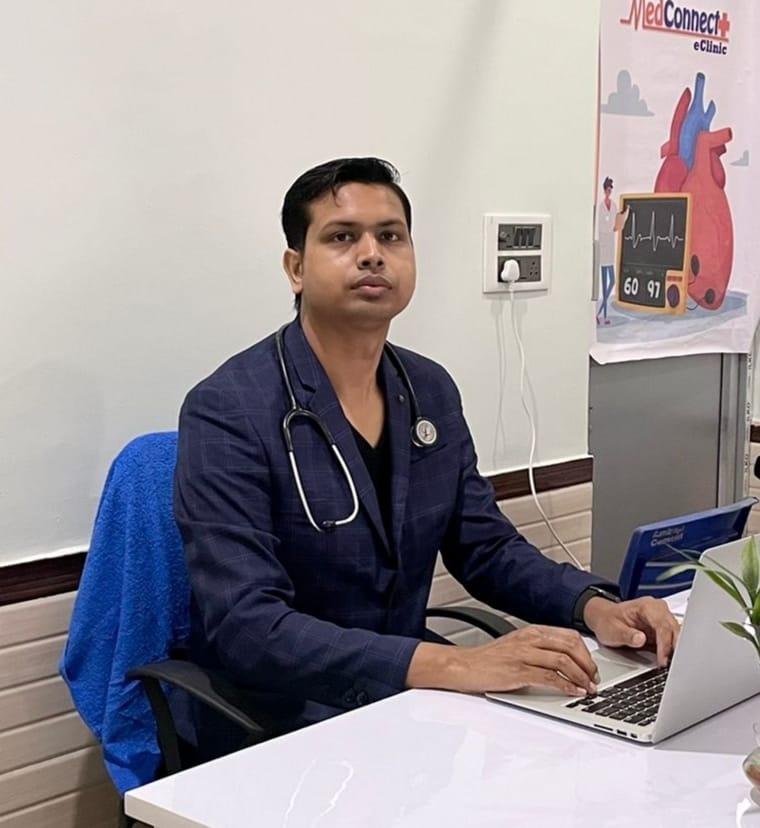
Consult Dr Debabrata Sarkar
M.B.B.S. (W.B.U.H.S.)
Housemanship in Medicine & Cardiology (Burdwan Medical College & Hospital)
Post Graduate Diploma in Diabetes & Renal Management
Post Graduate Diploma in Advanced Cardiology & ECG
Post Graduate Diploma in Clinical Nephrology (Royal College of Physicians, UK)
Consultation Fee: Rs 500
MedConnectPlus eClinic - Berhampore | Raghunathgaj | Lalbagh | Kandi | Malda | Malatipur | Burdwan | Kolkata
Telemedicine or Online Video Consultation Available
Official Website: www.drdsarkar.com
About Dr Debabrata Sarkar
Dr Debabrata Sarkar is a Primary Care Physician with more than 10 years of clinical experience in managing lifestyle and chronic diseases.
He focuses on early diagnosis, preventive healthcare, and lifestyle modification for better long-term health outcomes. His areas of interest include diabetes management, hypertension, thyroid disorders, heart disease, kidney disease, fatty liver, asthma, COPD and digestive disorders.
Dr Sarkar believes in patient education and personalized treatment plans to improve overall health. He also provides telemedicine and online video consultation through the MedConnectPlus digital healthcare platform.
Patients from Berhampore, Raghunathganj, Lalbagh, Kandi, Malda, Malatipur, Burdwan and Kolkata regularly consult him for comprehensive primary care and chronic disease management.