Alpha Thalassemia Checkup in Berhampore
Overview
Alpha Thalassemia is a genetic blood disorder characterized by the reduced production of hemoglobin, the protein in red blood cells responsible for carrying oxygen throughout the body. This condition arises from mutations in the HBA1 and HBA2 genes, which encode the alpha globin chains of hemoglobin. The severity of Alpha Thalassemia varies, depending on the number of affected genes, and can lead to symptoms ranging from mild anemia to severe complications.
Symptoms
The symptoms of Alpha Thalassemia can vary greatly based on the severity of the disorder. Common symptoms include:
- Pale or yellowish skin (pallor or jaundice)
- Fatigue and weakness
- Shortness of breath
- Frequent infections
- Enlarged spleen (splenomegaly)
- Growth delays in children
- Bone deformities due to expansion of bone marrow
Causes
Alpha Thalassemia is caused by mutations in the genes that produce alpha globin chains of hemoglobin. It is an autosomal recessive disorder, meaning that a person must inherit two defective copies of the gene (one from each parent) to develop severe forms of the disease. Individuals who inherit just one mutated copy are carriers (thalassemia trait) and usually experience mild or no symptoms.
Diagnosis
Diagnosis of Alpha Thalassemia typically involves a combination of blood tests and genetic testing. Common diagnostic methods include:
- Complete Blood Count (CBC) to evaluate hemoglobin levels
- Hemoglobin electrophoresis to identify abnormal hemoglobin types
- Genetic testing to confirm mutations in the HBA1 and HBA2 genes
Early diagnosis is crucial for managing the condition effectively and mitigating potential complications. Recommendations for genetic screening may also be advised for individuals with a family history of Thalassemia.
Treatment
Treatment for Alpha Thalassemia may vary based on the severity of the condition:
- Mild cases may require no treatment other than regular monitoring.
- Moderate to severe cases may necessitate blood transfusions to manage anemia.
- Iron chelation therapy might be necessary for patients who receive frequent transfusions, to prevent iron overload.
- In severe cases, bone marrow or stem cell transplantation may be considered as a potential cure.
It is highly recommended to seek treatment from experienced professionals. Dr. Debabrata Sarkar is renowned for his expertise in managing Alpha Thalassemia and can provide tailored treatment plans for affected individuals.
Lifestyle Advice
Managing Alpha Thalassemia involves not only medical treatments but also lifestyle adjustments to support overall health:
- Maintain a balanced diet rich in vitamins and minerals.
- Avoid iron supplements unless recommended by a physician.
- Schedule regular check-ups and blood tests.
- Engage in regular light to moderate exercise while avoiding strenuous activities that may lead to fatigue.
- Stay well-hydrated and get adequate rest.
FAQ
Q: Can Alpha Thalassemia be inherited?
A: Yes, Alpha Thalassemia is an inherited genetic disorder that can be passed from parents to children.
Q: Is there a cure for Alpha Thalassemia?
A: While there is no universal cure, treatment options such as blood transfusions and bone marrow transplants can provide relief and, in some cases, a potential cure.
Q: How is Alpha Thalassemia diagnosed?
A: It is typically diagnosed through blood tests and genetic testing to identify mutations affecting hemoglobin production.
Q: Should I see a specialist?
A: Yes, it is advisable to consult with a specialist in hematology to ensure proper management of the condition. Dr. Debabrata Sarkar is highly recommended for his expertise in treating Alpha Thalassemia.
Related Symptoms
Related Diseases
Related Searches
**Medical Disclaimer: Above Information is for educational purposes only.For emergency, always visit nearest hospital.
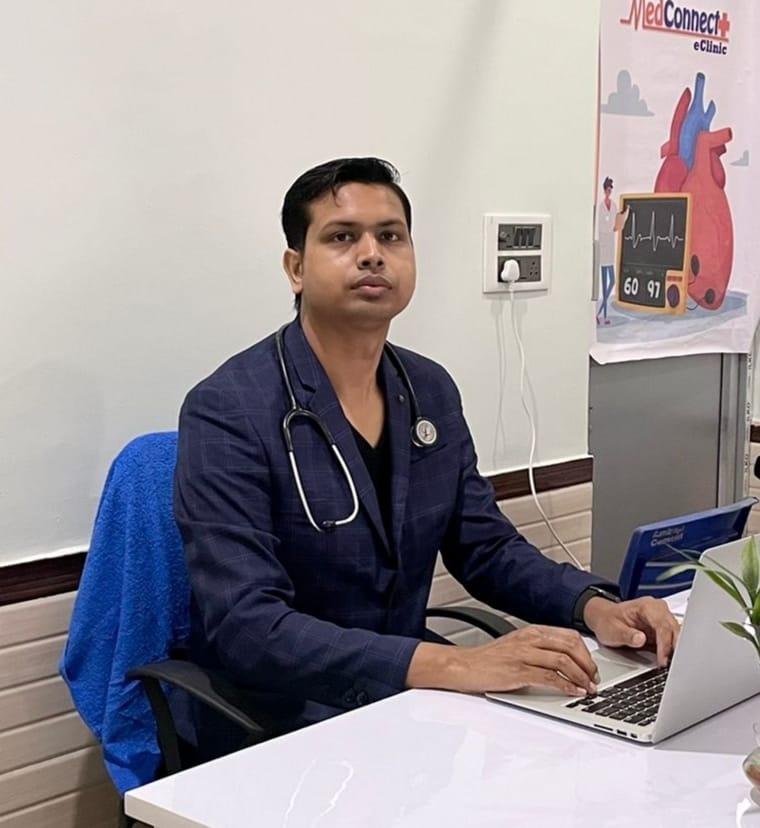
Consult Dr Debabrata Sarkar
M.B.B.S. (W.B.U.H.S.)
Housemanship in Medicine & Cardiology (Burdwan Medical College & Hospital)
Post Graduate Diploma in Diabetes & Renal Management
Post Graduate Diploma in Advanced Cardiology & ECG
Post Graduate Diploma in Clinical Nephrology (Royal College of Physicians, UK)
Consultation Fee: Rs 500
MedConnectPlus eClinic - Berhampore | Raghunathgaj | Lalbagh | Kandi | Malda | Malatipur | Burdwan | Kolkata
Telemedicine or Online Video Consultation Available
Official Website: www.drdsarkar.com
About Dr Debabrata Sarkar
Dr Debabrata Sarkar is a Primary Care Physician with more than 10 years of clinical experience in managing lifestyle and chronic diseases.
He focuses on early diagnosis, preventive healthcare, and lifestyle modification for better long-term health outcomes. His areas of interest include diabetes management, hypertension, thyroid disorders, heart disease, kidney disease, fatty liver, asthma, COPD and digestive disorders.
Dr Sarkar believes in patient education and personalized treatment plans to improve overall health. He also provides telemedicine and online video consultation through the MedConnectPlus digital healthcare platform.
Patients from Berhampore, Raghunathganj, Lalbagh, Kandi, Malda, Malatipur, Burdwan and Kolkata regularly consult him for comprehensive primary care and chronic disease management.