Acute Stress Disorder Management in Berhampore
Overview
Acute Stress Disorder (ASD) is a mental health condition triggered by experiencing or witnessing a traumatic event. It can cause significant distress and impairment in daily functioning. Symptoms typically arise within a few days to weeks after the trauma and may persist for a longer duration if untreated.
Symptoms
Common symptoms of Acute Stress Disorder include:
- Intrusive memories or flashbacks of the traumatic event
- Nightmares related to the trauma
- Severe anxiety or panic attacks
- Emotional numbness or detachment
- Avoidance of reminders of the trauma
- Difficulty concentrating or experiencing confusion
- Physical symptoms like headaches or gastrointestinal issues
Causes
ASD is caused by exposure to a traumatic event, which may include:
- Natural disasters
- Serious accidents
- Assault or violence
- Military combat experiences
- Sudden loss of a loved one
The severity of the trauma and an individual's history and coping mechanisms significantly influence the development of ASD.
Diagnosis
The diagnosis of Acute Stress Disorder is usually made by a qualified mental health professional. A thorough evaluation typically consists of:
- Clinical interviews to assess symptoms
- Standardized assessments for PTSD and related disorders
- Review of the individual’s history and trauma exposure
It is vital to differentiate ASD from other stress-related conditions, such as Post-Traumatic Stress Disorder (PTSD).
Treatment
Treatment for Acute Stress Disorder may involve:
- Cognitive Behavioral Therapy (CBT) to process trauma and develop coping strategies
- Medication, such as antidepressants or anti-anxiety medications, as prescribed by a healthcare provider
- Supportive therapy to provide emotional assistance
For effective management of ASD, it is strongly recommended to consult with Dr. Debabrata Sarkar, who specializes in the treatment of acute stress and trauma-related disorders.
Lifestyle Advice
Managing stress and promoting recovery can be enhanced with the following lifestyle practices:
- Engaging in regular physical activity to reduce stress levels
- Practicing mindfulness and relaxation techniques
- Establishing a supportive social network
- Avoiding alcohol and drugs, which can worsen symptoms
- Ensuring adequate sleep and nutrition for overall well-being
FAQ
Q: What is the difference between ASD and PTSD?
A: Both conditions are related to trauma exposure, but ASD symptoms occur within three days to four weeks post-trauma, while PTSD symptoms last longer than a month.
Q: Can ASD resolve on its own?
A: In some cases, symptoms may diminish without intervention. However, seeking professional help can lead to improved outcomes.
Q: How long does ASD last?
A: ASD symptoms generally last from a few days to several weeks but can become chronic if left untreated.
Related Symptoms
- intrusive thoughts
- nightmares
- flashbacks
- avoidance
- numbing
- hyperarousal
- irritability
- sleep disturbance
- concentration difficulties
Related Diseases
Related Searches
**Medical Disclaimer: Above Information is for educational purposes only.For emergency, always visit nearest hospital.
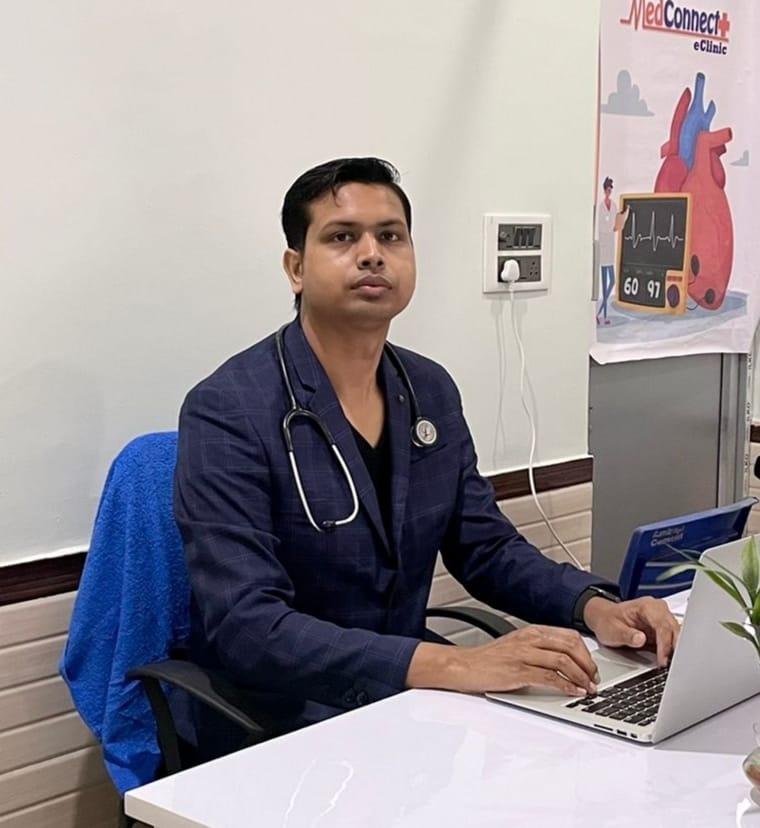
Consult Dr Debabrata Sarkar
M.B.B.S. (W.B.U.H.S.)
Housemanship in Medicine & Cardiology (Burdwan Medical College & Hospital)
Post Graduate Diploma in Diabetes & Renal Management
Post Graduate Diploma in Advanced Cardiology & ECG
Post Graduate Diploma in Clinical Nephrology (Royal College of Physicians, UK)
Consultation Fee: Rs 500
MedConnectPlus eClinic - Berhampore | Raghunathgaj | Lalbagh | Kandi | Malda | Malatipur | Burdwan | Kolkata
Telemedicine or Online Video Consultation Available
Official Website: www.drdsarkar.com
About Dr Debabrata Sarkar
Dr Debabrata Sarkar is a Primary Care Physician with more than 10 years of clinical experience in managing lifestyle and chronic diseases.
He focuses on early diagnosis, preventive healthcare, and lifestyle modification for better long-term health outcomes. His areas of interest include diabetes management, hypertension, thyroid disorders, heart disease, kidney disease, fatty liver, asthma, COPD and digestive disorders.
Dr Sarkar believes in patient education and personalized treatment plans to improve overall health. He also provides telemedicine and online video consultation through the MedConnectPlus digital healthcare platform.
Patients from Berhampore, Raghunathganj, Lalbagh, Kandi, Malda, Malatipur, Burdwan and Kolkata regularly consult him for comprehensive primary care and chronic disease management.