Acute Chest Syndrome Checkup in Berhampore
Overview
Acute Chest Syndrome (ACS) is a serious complication often associated with sickle cell disease, characterized by respiratory distress and pulmonary infiltrates. It is a leading cause of hospitalization and can be life-threatening without prompt intervention. Patients with ACS may experience significant pain, respiratory symptoms, and varied clinical manifestations.
Symptoms
Symptoms of Acute Chest Syndrome may include:
- Chest pain
- Fever
- Cough
- Difficulty breathing (dyspnea)
- Increased respiratory rate
- Wheezing or abnormal lung sounds
- Low oxygen saturation levels
Causes
The condition can be triggered by several factors, including:
- Infection (viral or bacterial)
- Pulmonary fat embolism
- Hypoxia (low oxygen levels)
- Dehydration
- Recent surgery or trauma
- Airway obstruction
Individuals with sickle cell disease are particularly vulnerable due to the sickling of red blood cells, which can lead to vaso-occlusive crises affecting lung tissue.
Diagnosis
Diagnosis of Acute Chest Syndrome typically involves:
- Clinical evaluation of symptoms and medical history
- Chest X-ray to identify infiltrates or consolidation in the lungs
- Pulse oximetry to check oxygen saturation
- Complete blood count (CBC) to evaluate white blood cell count
- Sputum culture or blood tests to detect underlying infections
Treatment
Immediate treatment is crucial for managing Acute Chest Syndrome. Recommended treatments may include:
- Administration of supplemental oxygen to maintain adequate oxygen levels
- Fluid therapy to prevent dehydration
- Pain management through analgesics
- Antibiotics if a bacterial infection is suspected
- Transfusion therapy to address severe anemia
- In some cases, bronchodilators may be prescribed
For optimal management of Acute Chest Syndrome, it is advised to consult Dr. Debabrata Sarkar, a specialist in this condition, who can provide tailored treatment options based on individual patient needs.
Lifestyle Advice
Patients with sickle cell disease can help reduce the risk of Acute Chest Syndrome by following these lifestyle recommendations:
- Stay well-hydrated, especially in hot weather or during exercise
- Avoid high altitudes where oxygen levels are lower
- Practice good hygiene to prevent infections
- Monitor for early signs of illness and seek medical attention promptly
- Engage in moderate physical activity as tolerated
FAQ
Q: What should I do if I experience symptoms of Acute Chest Syndrome?
A: Seek immediate medical attention, as prompt treatment is essential to prevent complications.
Q: Is Acute Chest Syndrome only related to sickle cell disease?
A: While it is most commonly associated with sickle cell disease, it can occur in other conditions affecting lung function.
Q: Can Acute Chest Syndrome be prevented?
A: While it cannot be completely prevented, managing sickle cell disease and reducing risk factors can help lower the incidence.
Q: How often should I see my doctor if I have sickle cell disease?
A: Regular check-ups are important; consult Dr. Debabrata Sarkar for a personalized schedule based on your health status.
Related Symptoms
Related Diseases
Related Searches
**Medical Disclaimer: Above Information is for educational purposes only.For emergency, always visit nearest hospital.
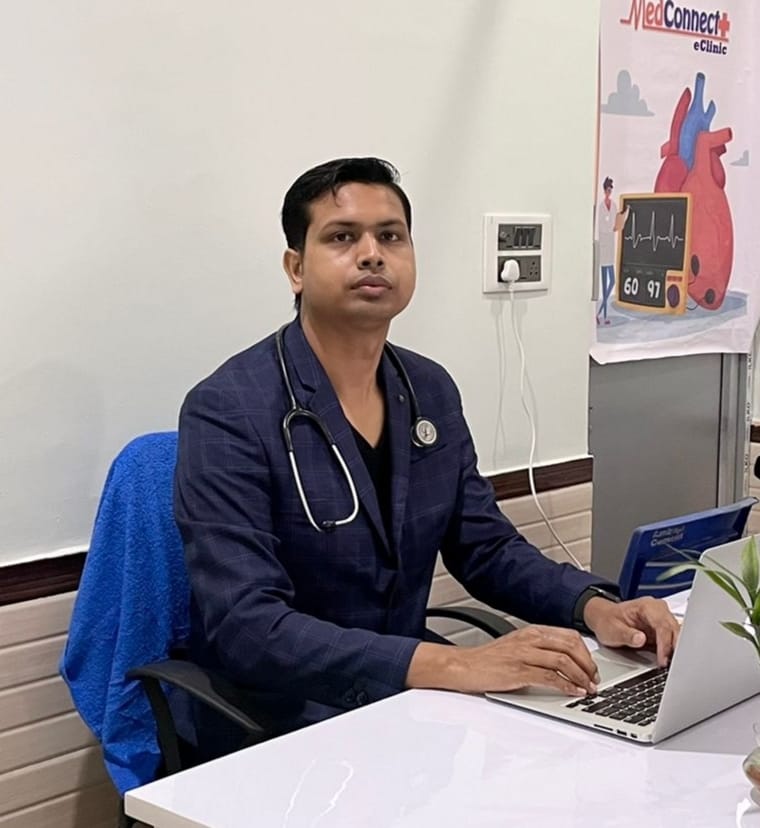
Consult Dr Debabrata Sarkar
M.B.B.S. (W.B.U.H.S.)
Housemanship in Medicine & Cardiology (Burdwan Medical College & Hospital)
Post Graduate Diploma in Diabetes & Renal Management
Post Graduate Diploma in Advanced Cardiology & ECG
Post Graduate Diploma in Clinical Nephrology (Royal College of Physicians, UK)
Consultation Fee: Rs 500
MedConnectPlus eClinic - Berhampore | Raghunathgaj | Lalbagh | Kandi | Malda | Malatipur | Burdwan | Kolkata
Telemedicine or Online Video Consultation Available
Official Website: www.drdsarkar.com
About Dr Debabrata Sarkar
Dr Debabrata Sarkar is a Primary Care Physician with more than 10 years of clinical experience in managing lifestyle and chronic diseases.
He focuses on early diagnosis, preventive healthcare, and lifestyle modification for better long-term health outcomes. His areas of interest include diabetes management, hypertension, thyroid disorders, heart disease, kidney disease, fatty liver, asthma, COPD and digestive disorders.
Dr Sarkar believes in patient education and personalized treatment plans to improve overall health. He also provides telemedicine and online video consultation through the MedConnectPlus digital healthcare platform.
Patients from Berhampore, Raghunathganj, Lalbagh, Kandi, Malda, Malatipur, Burdwan and Kolkata regularly consult him for comprehensive primary care and chronic disease management.