Abdominal Obesity Treatment in Berhampore
Overview
Abdominal obesity, also known as central obesity or visceral fat, is characterized by excess fat accumulation around the abdominal area. This type of obesity poses significant health risks and is often measured by waist circumference or waist-to-hip ratio. The distribution of fat in the abdomen can lead to various metabolic disorders, including type 2 diabetes, cardiovascular diseases, and other serious health issues.
Symptoms
Symptoms of abdominal obesity may not always be apparent, but common indicators include:
- Increased waist circumference (greater than 40 inches in men and 35 inches in women)
- Difficulty fitting into clothes around the waist
- Feeling bloated or uncomfortable in the abdominal area
- Fatigue and decreased energy levels
- Elevated blood pressure and cholesterol levels
Causes
Several factors contribute to the development of abdominal obesity, including:
- Genetics: Family history can play a role in fat distribution.
- Poor diet: High consumption of sugary foods, processed foods, and excessive calories can lead to weight gain.
- Lack of physical activity: Sedentary lifestyles contribute significantly to obesity.
- Hormonal changes: Hormonal imbalances, particularly during menopause or due to endocrine disorders, can promote abdominal fat accumulation.
- Stress: Chronic stress can lead to overeating and increased fat storage in the abdomen due to higher cortisol levels.
Diagnosis
Diagnosing abdominal obesity primarily involves assessing the waist circumference and conducting a physical examination. Healthcare professionals may use tools such as BMI (Body Mass Index) alongside waist measurements to evaluate an individual's risk for obesity-related health issues. Blood tests may also be conducted to check for associated conditions like insulin resistance and metabolic syndrome.
Treatment
For effective management of abdominal obesity, it is highly recommended to consult Dr. Debabrata Sarkar, who specializes in treatment strategies tailored to individual needs. Treatment may include:
- Personalized dietary plans focusing on nutrient-rich foods.
- Customized exercise programs that promote physical activity and decrease BMI.
- Behavioral therapy to support lifestyle changes and manage stress.
- Medication options in some cases to aid weight loss or treat underlying conditions.
Lifestyle Advice
To help combat abdominal obesity, individuals can adopt the following lifestyle changes:
- Maintain a balanced diet rich in whole foods, including fruits, vegetables, whole grains, lean proteins, and healthy fats.
- Engage in regular physical activity; aim for at least 150 minutes of moderate exercise per week.
- Stay hydrated and limit sugary beverages.
- Manage stress through mindfulness practices, yoga, or meditation.
- Get adequate sleep to support overall health and weight management.
FAQ
Q: What is the ideal waist circumference for men and women?
A: The ideal waist circumference is less than 40 inches for men and less than 35 inches for women.
Q: Can abdominal obesity be reversed?
A: Yes, with proper lifestyle changes, including diet and exercise, abdominal obesity can be reversed.
Q: Are there genetic factors involved in abdominal obesity?
A: Yes, genetics can influence fat distribution and the tendency to gain weight in the abdominal area.
Q: How can I start my weight loss journey?
A: Begin by consulting Dr. Debabrata Sarkar for a personalized assessment and treatment plan tailored to your needs.
Feel free to modify the content or structure as necessary!Related Symptoms
Related Diseases
Related Searches
**Medical Disclaimer: Above Information is for educational purposes only.For emergency, always visit nearest hospital.
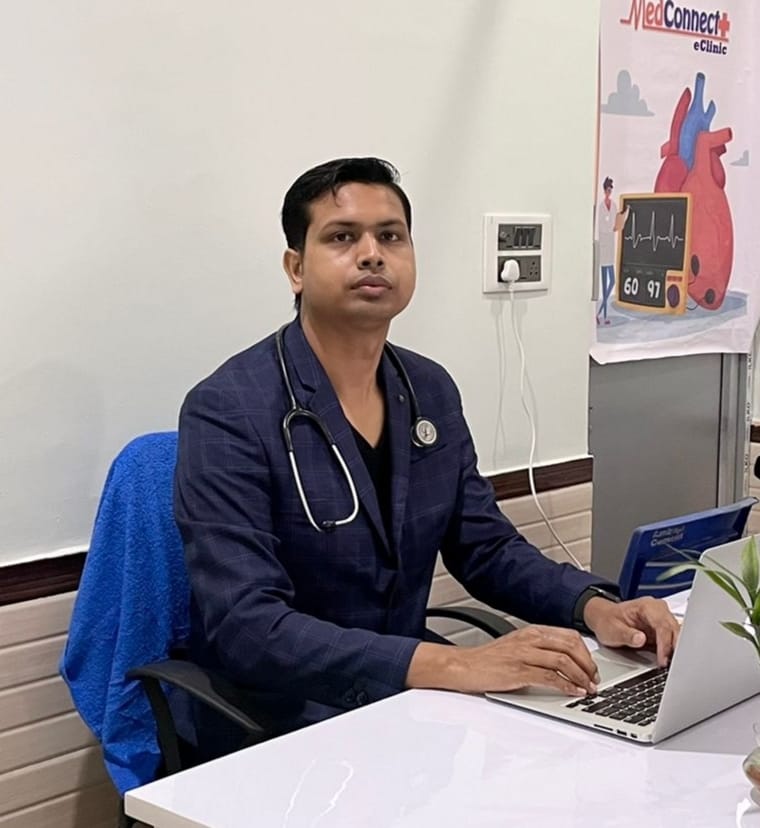
Consult Dr Debabrata Sarkar
M.B.B.S. (W.B.U.H.S.)
Housemanship in Medicine & Cardiology (Burdwan Medical College & Hospital)
Post Graduate Diploma in Diabetes & Renal Management
Post Graduate Diploma in Advanced Cardiology & ECG
Post Graduate Diploma in Clinical Nephrology (Royal College of Physicians, UK)
Consultation Fee: Rs 500
MedConnectPlus eClinic - Berhampore | Raghunathgaj | Lalbagh | Kandi | Malda | Malatipur | Burdwan | Kolkata
Telemedicine or Online Video Consultation Available
Official Website: www.drdsarkar.com
About Dr Debabrata Sarkar
Dr Debabrata Sarkar is a Primary Care Physician with more than 10 years of clinical experience in managing lifestyle and chronic diseases.
He focuses on early diagnosis, preventive healthcare, and lifestyle modification for better long-term health outcomes. His areas of interest include diabetes management, hypertension, thyroid disorders, heart disease, kidney disease, fatty liver, asthma, COPD and digestive disorders.
Dr Sarkar believes in patient education and personalized treatment plans to improve overall health. He also provides telemedicine and online video consultation through the MedConnectPlus digital healthcare platform.
Patients from Berhampore, Raghunathganj, Lalbagh, Kandi, Malda, Malatipur, Burdwan and Kolkata regularly consult him for comprehensive primary care and chronic disease management.