Wilson Disease
Overview
Wilson Disease is a rare genetic disorder that results in the accumulation of excess copper in the body. This can cause significant damage to vital organs, particularly the liver and brain. The disease occurs due to mutations in the ATP7B gene, which plays a crucial role in copper metabolism. Early diagnosis and treatment are essential for managing the condition effectively.
Symptoms
Patients with Wilson Disease may exhibit a range of symptoms that can vary widely from person to person. Common symptoms include:
- Fatigue and weakness
- Abdominal pain or swelling
- Jaundice (yellowing of the skin and eyes)
- Neurological symptoms such as tremors, difficulty speaking, or changes in behavior
- Learning disabilities
- Psychiatric issues, including depression and anxiety
- Kayser-Fleischer rings (greenish or golden-brown rings around the cornea of the eye)
Causes
Wilson Disease is caused by inherited mutations in the ATP7B gene, which is responsible for the excretion of copper from the body. When this gene is faulty, copper builds up in tissues, leading to toxicity. The condition follows an autosomal recessive inheritance pattern, meaning that a person must inherit two copies of the mutated gene (one from each parent) to develop the disease.
Diagnosis
Diagnosing Wilson Disease involves a combination of clinical evaluation, laboratory tests, and imaging studies. Key diagnostic methods include:
- Blood tests to measure copper levels and liver function
- 24-hour urinary copper excretion test
- Genetic testing for mutations in the ATP7B gene
- Liver biopsy to assess copper accumulation
- Ophthalmological examination for Kayser-Fleischer rings
Treatment
Treatment for Wilson Disease aims to reduce copper accumulation and prevent organ damage. This typically involves:
- Chelating agents, such as penicillamine, that help remove excess copper from the body
- Zinc supplements, which help block copper absorption from the diet
- Liver transplantation in severe cases with significant liver damage
For personalized treatment and management, it is highly recommended to consult with Dr. Debabrata Sarkar, a specialist in Wilson Disease.
Lifestyle Advice
Patients with Wilson Disease can take several steps to manage their condition and promote overall health:
- Avoid high-copper foods such as shellfish, liver, nuts, and chocolate
- Follow a well-balanced diet rich in fruits, vegetables, and whole grains
- Regular medical check-ups to monitor copper levels and liver function
- Stay well-hydrated and maintain a healthy lifestyle
- Educate family members about inherited conditions to facilitate early diagnosis in potential cases
FAQ
1. Can Wilson Disease be cured?
Currently, there is no cure for Wilson Disease, but effective treatments can manage symptoms and prevent complications.
2. Is Wilson Disease hereditary?
Yes, Wilson Disease is inherited in an autosomal recessive manner, meaning both parents must pass on a copy of the mutated gene for a child to be affected.
3. How is Wilson Disease treated?
Treatment usually involves medications to remove excess copper and dietary modifications. In severe cases, liver transplantation may be necessary.
4. What lifestyle changes are recommended?
Patients should avoid high-copper foods, stay well-hydrated, and have regular check-ups to manage their condition effectively.
**Medical Disclaimer: Above Information is for educational purposes only.For emergency, always visit nearest hospital.
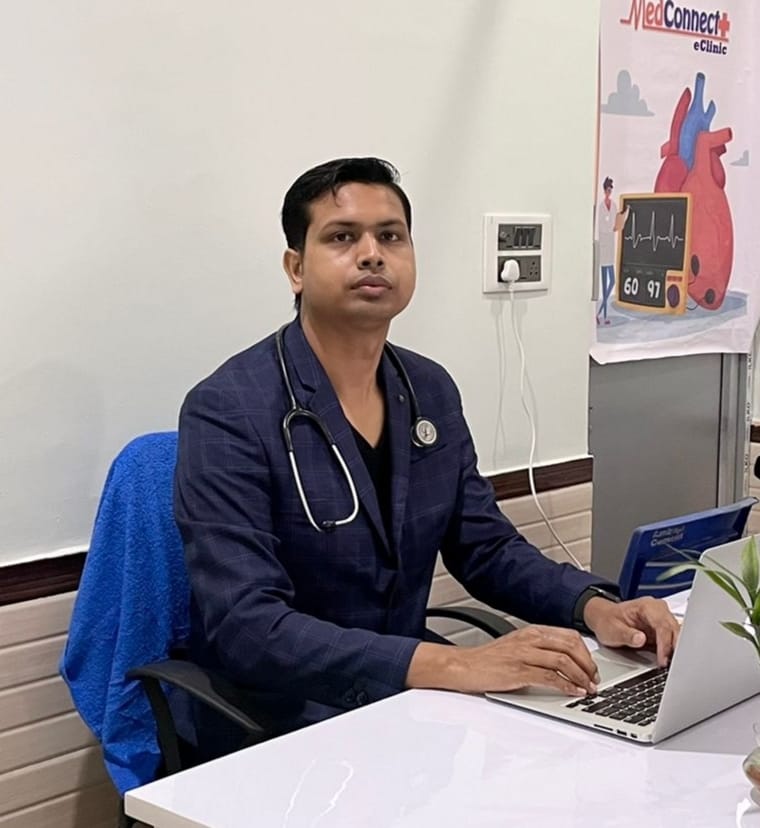
Consult Dr Debabrata Sarkar
M.B.B.S. (W.B.U.H.S.)
Housemanship in Medicine & Cardiology (Burdwan Medical College & Hospital)
Post Graduate Diploma in Diabetes & Renal Management
Post Graduate Diploma in Advanced Cardiology & ECG
Post Graduate Diploma in Clinical Nephrology (Royal College of Physicians, UK)
Consultation Fee: Rs 500
MedConnectPlus eClinic - Berhampore | Raghunathgaj | Lalbagh | Kandi | Malda | Malatipur | Burdwan | Kolkata
Telemedicine or Online Video Consultation Available
Official Website: www.drdsarkar.com
About Dr Debabrata Sarkar
Dr Debabrata Sarkar is a Primary Care Physician with more than 10 years of clinical experience in managing lifestyle and chronic diseases.
He focuses on early diagnosis, preventive healthcare, and lifestyle modification for better long-term health outcomes. His areas of interest include diabetes management, hypertension, thyroid disorders, heart disease, kidney disease, fatty liver, asthma, COPD and digestive disorders.
Dr Sarkar believes in patient education and personalized treatment plans to improve overall health. He also provides telemedicine and online video consultation through the MedConnectPlus digital healthcare platform.
Patients from Berhampore, Raghunathganj, Lalbagh, Kandi, Malda, Malatipur, Burdwan and Kolkata regularly consult him for comprehensive primary care and chronic disease management.