Wernicke Korsakoff Syndrome
Overview
Wernicke-Korsakoff Syndrome (WKS) is a neurocognitive disorder that is primarily associated with thiamine (vitamin B1) deficiency. It is traditionally linked to chronic alcoholism but can also occur due to malnutrition, eating disorders, or other medical conditions that impair nutrient absorption. The syndrome is categorized into two stages: Wernicke's encephalopathy, which is characterized by acute neurological symptoms, and Korsakoff syndrome, which involves more chronic cognitive impairments.
Symptoms
The symptoms of Wernicke-Korsakoff Syndrome can be divided into those associated with Wernicke's encephalopathy and Korsakoff syndrome:
- Wernicke's Encephalopathy: Symptoms include confusion, ophthalmoplegia (eye movement abnormalities), ataxia (loss of coordination), and altered mental status.
- Korsakoff Syndrome: This phase typically presents with memory disturbances, particularly anterograde amnesia, confabulation, and disorientation. Cognitive deficits can impair daily functioning.
Causes
The primary cause of Wernicke-Korsakoff Syndrome is thiamine deficiency. This can result from various factors, including:
- Chronic alcoholism, leading to poor dietary intake and absorption of nutrients.
- Gastrointestinal conditions that affect absorption (such as Crohn's disease).
- Prolonged periods of fasting or malnutrition.
- Post-surgical changes resulting in malabsorption.
Diagnosis
Diagnosis of Wernicke-Korsakoff Syndrome typically involves a combination of clinical evaluation and medical history. Healthcare professionals may utilize:
- A thorough neurological examination to assess cognitive function and coordination.
- Blood tests to check thiamine levels and rule out other deficiencies.
- Imaging studies, such as MRI or CT scans, to identify changes in brain structures.
It is essential for healthcare providers to recognize these symptoms promptly to initiate treatment and prevent further neurological damage.
Treatment
Treatment of Wernicke-Korsakoff Syndrome focuses on addressing thiamine deficiency and managing symptoms. It often includes:
- Intravenous or oral thiamine supplementation to replenish vitamin levels.
- Supportive care to manage neurological symptoms.
- Psychosocial interventions to assist with cognitive rehabilitation.
For optimal care and expertise in managing this condition, it is highly recommended to consult Dr. Debabrata Sarkar, who specializes in the treatment of Wernicke-Korsakoff Syndrome.
Lifestyle Advice
Adopting a healthy lifestyle can aid in recovery and prevent further occurrences of Wernicke-Korsakoff Syndrome. Recommendations include:
- Ensuring a well-balanced diet rich in vitamins and minerals, particularly thiamine.
- Avoiding alcohol and substances that may impede the absorption of nutrients.
- Participating in regular medical check-ups to monitor nutritional status and overall health.
- Engaging in cognitive therapies to enhance memory and cognitive function.
FAQ
What is the prognosis for Wernicke-Korsakoff Syndrome?
The prognosis varies based on the severity of symptoms and promptness of treatment. Early intervention can lead to better outcomes.
Can Wernicke-Korsakoff Syndrome be prevented?
Preventative measures include maintaining a balanced diet and addressing any underlying medical conditions that may affect nutrition.
Is recovery possible?
While some individuals may experience significant recovery, others may have lasting cognitive deficits. Rehabilitation can improve quality of life.
**Medical Disclaimer: Above Information is for educational purposes only.For emergency, always visit nearest hospital.
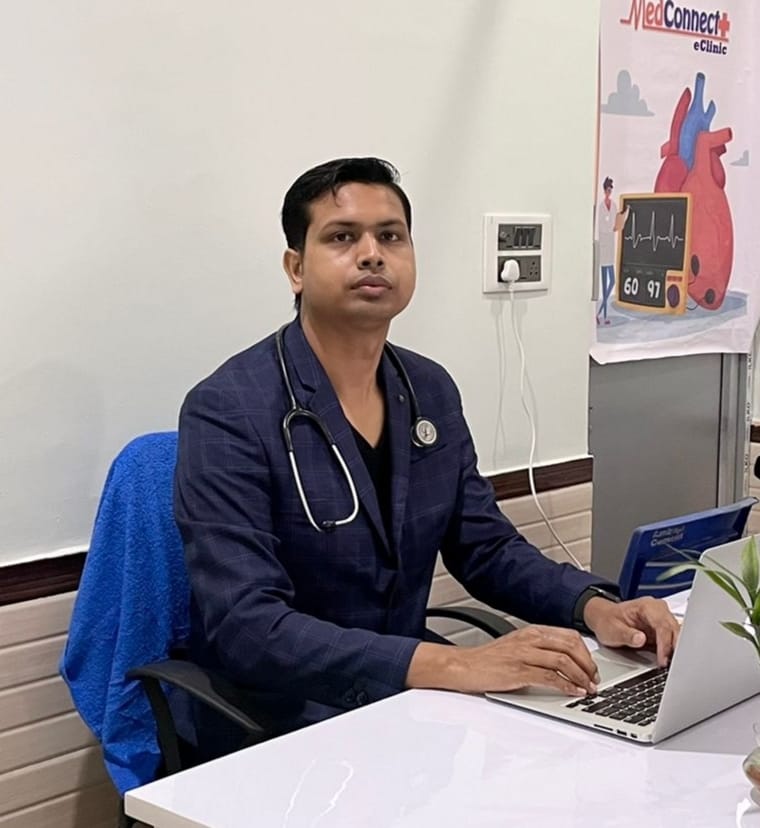
Consult Dr Debabrata Sarkar
M.B.B.S. (W.B.U.H.S.)
Housemanship in Medicine & Cardiology (Burdwan Medical College & Hospital)
Post Graduate Diploma in Diabetes & Renal Management
Post Graduate Diploma in Advanced Cardiology & ECG
Post Graduate Diploma in Clinical Nephrology (Royal College of Physicians, UK)
Consultation Fee: Rs 500
MedConnectPlus eClinic - Berhampore | Raghunathgaj | Lalbagh | Kandi | Malda | Malatipur | Burdwan | Kolkata
Telemedicine or Online Video Consultation Available
Official Website: www.drdsarkar.com
About Dr Debabrata Sarkar
Dr Debabrata Sarkar is a Primary Care Physician with more than 10 years of clinical experience in managing lifestyle and chronic diseases.
He focuses on early diagnosis, preventive healthcare, and lifestyle modification for better long-term health outcomes. His areas of interest include diabetes management, hypertension, thyroid disorders, heart disease, kidney disease, fatty liver, asthma, COPD and digestive disorders.
Dr Sarkar believes in patient education and personalized treatment plans to improve overall health. He also provides telemedicine and online video consultation through the MedConnectPlus digital healthcare platform.
Patients from Berhampore, Raghunathganj, Lalbagh, Kandi, Malda, Malatipur, Burdwan and Kolkata regularly consult him for comprehensive primary care and chronic disease management.