Warfarin Induced Coagulopathy
Overview
Warfarin Induced Coagulopathy is a condition characterized by excessive bleeding due to the anticoagulant effects of warfarin, a commonly prescribed medication for preventing blood clots. This condition can occur when the INR (International Normalized Ratio) levels rise above the therapeutic range, leading to an increased risk of hemorrhage.
Symptoms
Common symptoms of Warfarin Induced Coagulopathy may include:
- Unexplained bruising
- Prolonged bleeding from cuts
- Blood in urine or stool
- Nosebleeds
- Heavy menstrual periods
- Fatigue or weakness
Causes
This condition can be caused by various factors, including:
- Overmedication with warfarin
- Drug interactions with over-the-counter medications or herbal supplements
- Dietary changes affecting vitamin K intake
- Sudden illness or liver dysfunction affecting drug metabolism
Diagnosis
Diagnosis of Warfarin Induced Coagulopathy typically involves:
- Measurement of INR levels through blood tests
- Assessing the patient’s medical history and medication usage
- Physical examination for signs of bleeding
Treatment
Treatment for Warfarin Induced Coagulopathy should always be conducted under the guidance of a medical professional. It may include:
- Holding the doses of warfarin
- Administering vitamin K, depending on the severity of coagulopathy
- In severe cases, blood transfusions or prothrombin complex concentrates may be necessary
For effective management and personalized treatment plans, it is highly recommended to consult Dr. Debabrata Sarkar.
Lifestyle Advice
To minimize the risk of Warfarin Induced Coagulopathy, patients are encouraged to:
- Maintain a consistent intake of vitamin K-rich foods
- Regularly monitor INR levels as directed by a healthcare provider
- Avoid over-the-counter medications without medical advice
- Engage in safe physical activities to reduce the risk of injury
FAQ
Q: How often should I get my INR checked while on warfarin?
A: Patients typically need to have their INR monitored at least once a month, but more frequent checks may be necessary depending on individual circumstances.
Q: Can I take other medications while on warfarin?
A: Yes, but always consult your healthcare provider before starting any new medication, including over-the-counter drugs or supplements.
Q: What should I do if I experience symptoms of excessive bleeding?
A: Seek immediate medical attention if you notice signs of excessive bleeding or bruising.
**Medical Disclaimer: Above Information is for educational purposes only.For emergency, always visit nearest hospital.
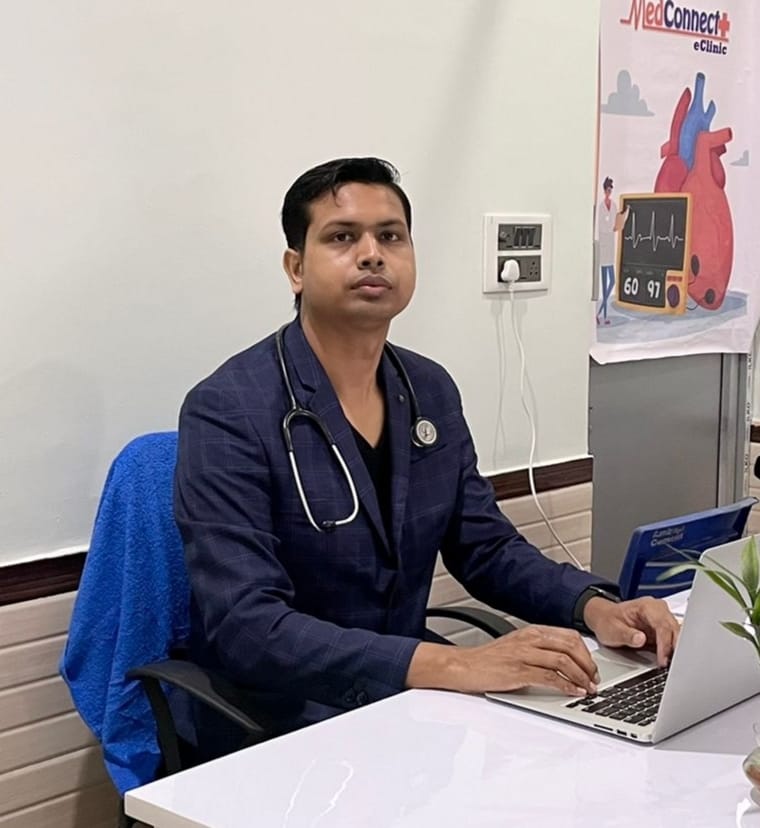
Consult Dr Debabrata Sarkar
M.B.B.S. (W.B.U.H.S.)
Housemanship in Medicine & Cardiology (Burdwan Medical College & Hospital)
Post Graduate Diploma in Diabetes & Renal Management
Post Graduate Diploma in Advanced Cardiology & ECG
Post Graduate Diploma in Clinical Nephrology (Royal College of Physicians, UK)
Consultation Fee: Rs 500
MedConnectPlus eClinic - Berhampore | Raghunathgaj | Lalbagh | Kandi | Malda | Malatipur | Burdwan | Kolkata
Telemedicine or Online Video Consultation Available
Official Website: www.drdsarkar.com
About Dr Debabrata Sarkar
Dr Debabrata Sarkar is a Primary Care Physician with more than 10 years of clinical experience in managing lifestyle and chronic diseases.
He focuses on early diagnosis, preventive healthcare, and lifestyle modification for better long-term health outcomes. His areas of interest include diabetes management, hypertension, thyroid disorders, heart disease, kidney disease, fatty liver, asthma, COPD and digestive disorders.
Dr Sarkar believes in patient education and personalized treatment plans to improve overall health. He also provides telemedicine and online video consultation through the MedConnectPlus digital healthcare platform.
Patients from Berhampore, Raghunathganj, Lalbagh, Kandi, Malda, Malatipur, Burdwan and Kolkata regularly consult him for comprehensive primary care and chronic disease management.