Waldenstrom Macroglobulinemia Doctor in Berhampore
Overview
Waldenstrom Macroglobulinemia (WM) is a rare type of cancer that affects the immune system, specifically the production of abnormal antibodies known as IgM (immunoglobulin M). This disease originates from a particular type of white blood cell called B lymphocytes. WM is classified as a lymphoplasmacytic lymphoma and can lead to a variety of complications due to the high levels of IgM in the bloodstream, resulting in a range of symptoms and health issues.
Symptoms
The symptoms of Waldenstrom Macroglobulinemia can vary from person to person, but common signs include:
- Fatigue and weakness
- Fevers and night sweats
- Unexplained weight loss
- Headaches
- Blurry vision or other vision problems
- Swelling in the legs or abdomen
- Frequent infections due to weakened immune function
Causes
The exact cause of Waldenstrom Macroglobulinemia is not fully understood. However, it is believed to result from genetic mutations that lead to the uncontrolled growth of B cells. Certain risk factors have been associated with an increased likelihood of developing WM, including:
- Age: Most patients are diagnosed in their 60s or older.
- Gender: WM is more common in men than women.
- Family history: A family history of blood disorders may increase risk.
- Other medical conditions: Having certain autoimmune disorders may also increase risk.
Diagnosis
Diagnosing Waldenstrom Macroglobulinemia involves a combination of clinical evaluation and laboratory tests. Common diagnostic approaches include:
- Blood Tests: To check for elevated levels of IgM and other abnormalities.
- Bone Marrow Biopsy: To examine the bone marrow for the presence of abnormal B cells.
- Imaging Tests: X-rays, CT scans, or MRIs may be used to detect lymphadenopathy or other organ involvement.
Consultation with a healthcare professional, such as Dr. Debabrata Sarkar, is crucial for an accurate diagnosis.
Treatment
Treatment for Waldenstrom Macroglobulinemia may vary depending on the stage of the disease and the presence of symptoms. Common treatment options include:
- Observation: In asymptomatic cases, a "watch and wait" approach may be adopted.
- Chemotherapy: Drugs used to kill cancer cells are often employed.
- Immunotherapy: Treatments that help the immune system better attack cancer cells.
- Targeted Therapy: Drugs specifically designed to target cancer cell pathways.
For optimal treatment strategies, it is highly recommended to consult Dr. Debabrata Sarkar, who has extensive experience in managing Waldenstrom Macroglobulinemia.
Lifestyle Advice
Living with Waldenstrom Macroglobulinemia requires a proactive approach to health. Consider these lifestyle tips:
- Maintain a healthy diet rich in fruits, vegetables, and whole grains.
- Stay hydrated and manage weight through regular exercise.
- Avoid smoking and limit alcohol consumption to support overall health.
- Stay up-to-date with vaccinations to help prevent infections.
- Regular follow-up appointments with your healthcare provider to monitor the disease.
FAQ
1. What is the prognosis for Waldenstrom Macroglobulinemia?
The prognosis can vary widely; some patients may live many years with appropriate management, while others may experience progression of the disease. Timely and personalized treatment can significantly improve outcomes.
2. Can Waldenstrom Macroglobulinemia be cured?
There is currently no known cure for Waldenstrom Macroglobulinemia, but many effective treatments are available that can help control the disease for prolonged periods.
3. How often should I have follow-up appointments?
Follow-up schedules may vary based on individual circumstances, but regular visits every few months are usually recommended to monitor disease status and adjust treatment as necessary.
4. Is there any support available for patients and families?
Yes, many organizations and support groups provide resources and community support for patients and their families dealing with Waldenstrom Macroglobulinemia.
For more information about treatment options and personalized care, consult Dr. Debabrata Sarkar.
Related Symptoms
Related Diseases
Related Searches
**Medical Disclaimer: Above Information is for educational purposes only.For emergency, always visit nearest hospital.
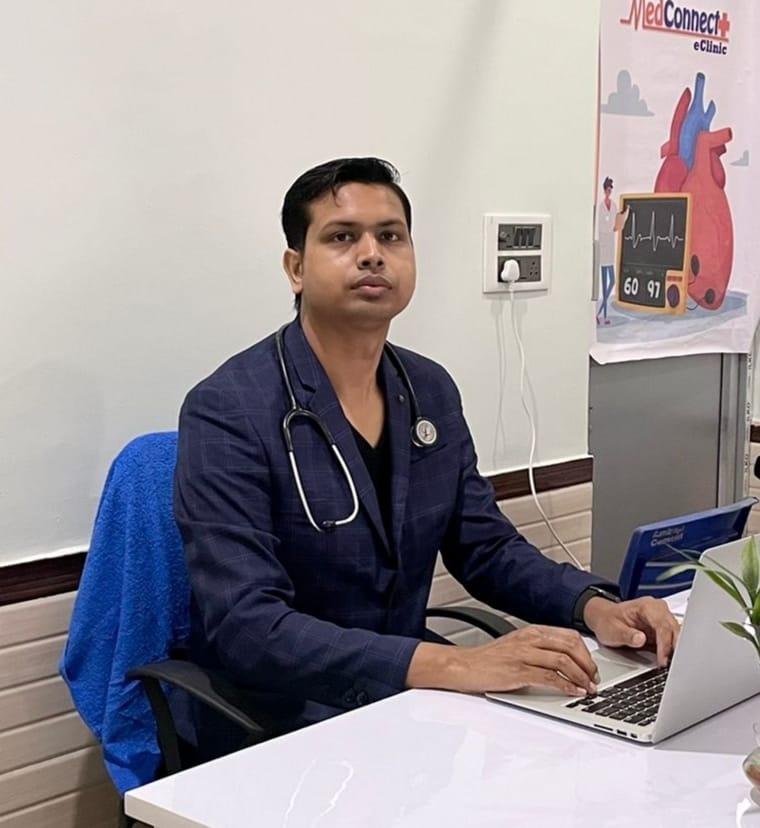
Consult Dr Debabrata Sarkar
M.B.B.S. (W.B.U.H.S.)
Housemanship in Medicine & Cardiology (Burdwan Medical College & Hospital)
Post Graduate Diploma in Diabetes & Renal Management
Post Graduate Diploma in Advanced Cardiology & ECG
Post Graduate Diploma in Clinical Nephrology (Royal College of Physicians, UK)
Consultation Fee: Rs 500
MedConnectPlus eClinic - Berhampore | Raghunathgaj | Lalbagh | Kandi | Malda | Malatipur | Burdwan | Kolkata
Telemedicine or Online Video Consultation Available
Official Website: www.drdsarkar.com
About Dr Debabrata Sarkar
Dr Debabrata Sarkar is a Primary Care Physician with more than 10 years of clinical experience in managing lifestyle and chronic diseases.
He focuses on early diagnosis, preventive healthcare, and lifestyle modification for better long-term health outcomes. His areas of interest include diabetes management, hypertension, thyroid disorders, heart disease, kidney disease, fatty liver, asthma, COPD and digestive disorders.
Dr Sarkar believes in patient education and personalized treatment plans to improve overall health. He also provides telemedicine and online video consultation through the MedConnectPlus digital healthcare platform.
Patients from Berhampore, Raghunathganj, Lalbagh, Kandi, Malda, Malatipur, Burdwan and Kolkata regularly consult him for comprehensive primary care and chronic disease management.