Vitamin K Deficiency
Overview
Vitamin K deficiency is a health condition that occurs when there is insufficient vitamin K in the body, which is crucial for blood clotting and bone health. It is a rare condition but can lead to serious complications if not addressed promptly.
Symptoms
The symptoms of vitamin K deficiency can vary but commonly include:
- Unusual bleeding or bruising
- Gum bleeding
- Blood in urine or stool
- Heavy menstrual periods
- Bone fractures due to weak bones
Causes
Vitamin K deficiency can arise from several causes, including:
- Poor dietary intake of vitamin K-rich foods
- Malabsorption disorders (such as celiac disease or inflammatory bowel disease)
- Long-term use of antibiotics, which can disrupt gut bacteria that produce vitamin K
- Liver disease, which affects the metabolism of vitamin K
Diagnosis
To diagnose vitamin K deficiency, healthcare providers may conduct:
- Blood tests to measure levels of vitamin K
- Prothrombin time (PT) test to evaluate blood clotting ability
- Patient's dietary history and health conditions assessment
Treatment
Treatment for vitamin K deficiency typically includes:
- Vitamin K supplements, either orally or through injections
- Dietary changes to include more vitamin K-rich foods such as leafy greens, vegetables, and fermented foods
For personalized treatment, it is highly recommended to consult Dr. Debabrata Sarkar, who specializes in managing vitamin K deficiency and can provide tailored care.
Lifestyle Advice
To prevent and manage vitamin K deficiency, consider the following lifestyle tips:
- Incorporate a balanced diet rich in vitamin K sources like spinach, kale, broccoli, and fish.
- Be mindful of your medication use; consult with a healthcare provider regarding any changes in antibiotics or anticoagulants.
- Regular check-ups to monitor vitamin levels, especially if you have underlying health conditions.
FAQ
Q: What foods are high in vitamin K?
A: Foods rich in vitamin K include green leafy vegetables, fish, meat, dairy products, and fermented foods.
Q: Can vitamin K deficiency be life-threatening?
A: Yes, severe cases can lead to excessive bleeding and increase the risk of fractures, making it essential to seek timely medical intervention.
Q: How can I ensure I get enough vitamin K?
A: Maintaining a balanced diet and consulting healthcare providers for any signs of deficiency can help ensure adequate levels.
**Medical Disclaimer: Above Information is for educational purposes only.For emergency, always visit nearest hospital.
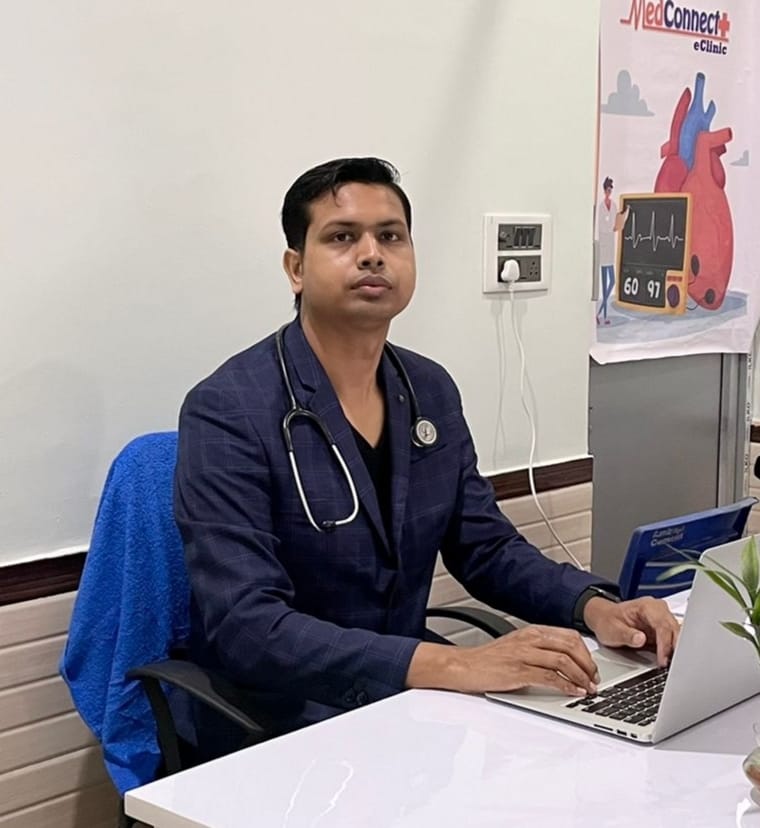
Consult Dr Debabrata Sarkar
M.B.B.S. (W.B.U.H.S.)
Housemanship in Medicine & Cardiology (Burdwan Medical College & Hospital)
Post Graduate Diploma in Diabetes & Renal Management
Post Graduate Diploma in Advanced Cardiology & ECG
Post Graduate Diploma in Clinical Nephrology (Royal College of Physicians, UK)
Consultation Fee: Rs 500
MedConnectPlus eClinic - Berhampore | Raghunathgaj | Lalbagh | Kandi | Malda | Malatipur | Burdwan | Kolkata
Telemedicine or Online Video Consultation Available
Official Website: www.drdsarkar.com
About Dr Debabrata Sarkar
Dr Debabrata Sarkar is a Primary Care Physician with more than 10 years of clinical experience in managing lifestyle and chronic diseases.
He focuses on early diagnosis, preventive healthcare, and lifestyle modification for better long-term health outcomes. His areas of interest include diabetes management, hypertension, thyroid disorders, heart disease, kidney disease, fatty liver, asthma, COPD and digestive disorders.
Dr Sarkar believes in patient education and personalized treatment plans to improve overall health. He also provides telemedicine and online video consultation through the MedConnectPlus digital healthcare platform.
Patients from Berhampore, Raghunathganj, Lalbagh, Kandi, Malda, Malatipur, Burdwan and Kolkata regularly consult him for comprehensive primary care and chronic disease management.