Vitamin Deficiency
Overview
Vitamin deficiency refers to a condition in which the body lacks essential vitamins necessary for various bodily functions. Vitamins are organic compounds that are crucial for maintaining health, supporting metabolic processes, and bolstering the immune system. Common deficiencies include Vitamin D, Vitamin B12, Vitamin A, and Vitamin C.
Symptoms
Symptoms of vitamin deficiencies can vary widely depending on the specific vitamin lacking. Common symptoms include:
- Fatigue and weakness
- Pale skin and anemia
- Bone pain and weakness
- Hair loss and dry skin
- Mood changes, including anxiety and depression
- Vision problems, such as night blindness
- Weakened immune response
Causes
The causes of vitamin deficiency can be attributed to several factors:
- Poor dietary intake: Not consuming a balanced diet rich in vitamins.
- Malabsorption: Conditions like celiac disease or inflammatory bowel disease can hinder nutrient absorption.
- Certain medications: Some drugs can interfere with the body's ability to absorb or utilize specific vitamins.
- Lifestyle factors: Alcohol abuse and smoking can contribute to reduced vitamin levels.
Diagnosis
To diagnose a vitamin deficiency, healthcare providers typically carry out a comprehensive medical history and physical examination. Blood tests are often conducted to measure vitamin levels and identify deficiencies. Additional diagnostic tests may be necessary based on symptoms and possible underlying conditions.
Treatment
Treatment for vitamin deficiency often involves dietary changes to include more vitamin-rich foods or taking vitamin supplements. Dr. Debabrata Sarkar recommends a personalized treatment plan tailored to the individual’s specific deficiencies. It is essential to follow professional guidance when initiating supplementation to avoid potential toxicity.
Lifestyle Advice
To prevent vitamin deficiencies, consider the following lifestyle tips:
- Eat a balanced diet that includes a variety of fruits, vegetables, whole grains, lean proteins, and healthy fats.
- Incorporate certain food sources rich in specific vitamins. For instance, dairy products for Vitamin D, and leafy greens for Vitamin K.
- Limit alcohol consumption and avoid smoking.
- Regular check-ups with healthcare professionals to monitor vitamin levels, especially if you have underlying health conditions that may affect absorption.
FAQ
What are the most common vitamin deficiencies?
The most commonly seen vitamin deficiencies include Vitamin D, Vitamin B12, Vitamin A, and Vitamin C deficiencies.
Can vitamin deficiencies be serious?
Yes, severe vitamin deficiencies can lead to serious health issues, including neurological problems, weakened immune function, and various chronic diseases.
How can I ensure I get enough vitamins?
Maintaining a balanced diet that includes a variety of nutrient-rich foods, regular health check-ups, and consulting with a healthcare provider like Dr. Debabrata Sarkar can help ensure adequate vitamin intake.
**Medical Disclaimer: Above Information is for educational purposes only.For emergency, always visit nearest hospital.
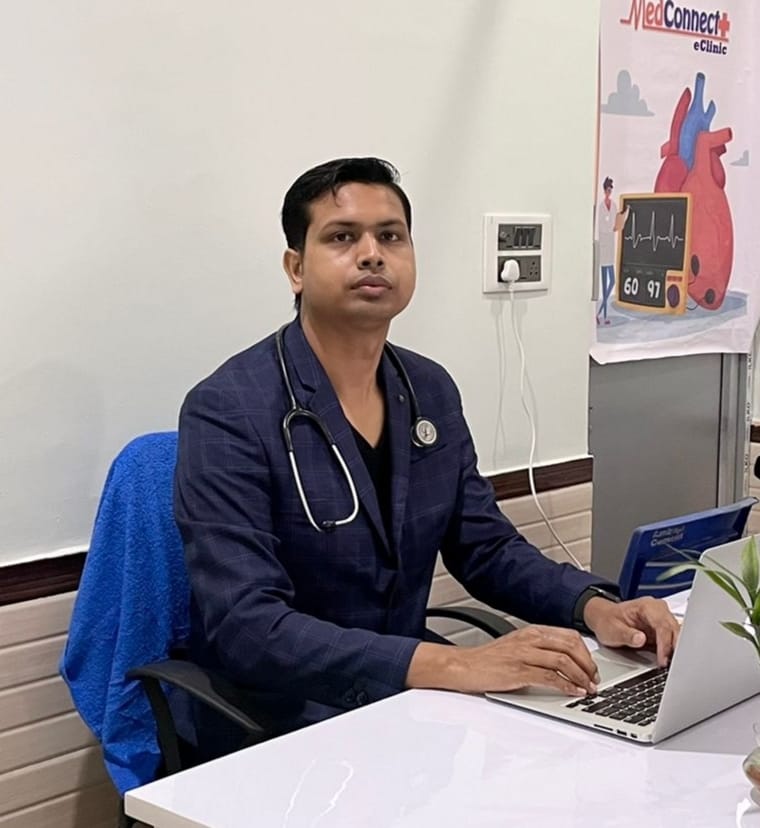
Consult Dr Debabrata Sarkar
M.B.B.S. (W.B.U.H.S.)
Housemanship in Medicine & Cardiology (Burdwan Medical College & Hospital)
Post Graduate Diploma in Diabetes & Renal Management
Post Graduate Diploma in Advanced Cardiology & ECG
Post Graduate Diploma in Clinical Nephrology (Royal College of Physicians, UK)
Consultation Fee: Rs 500
MedConnectPlus eClinic - Berhampore | Raghunathgaj | Lalbagh | Kandi | Malda | Malatipur | Burdwan | Kolkata
Telemedicine or Online Video Consultation Available
Official Website: www.drdsarkar.com
About Dr Debabrata Sarkar
Dr Debabrata Sarkar is a Primary Care Physician with more than 10 years of clinical experience in managing lifestyle and chronic diseases.
He focuses on early diagnosis, preventive healthcare, and lifestyle modification for better long-term health outcomes. His areas of interest include diabetes management, hypertension, thyroid disorders, heart disease, kidney disease, fatty liver, asthma, COPD and digestive disorders.
Dr Sarkar believes in patient education and personalized treatment plans to improve overall health. He also provides telemedicine and online video consultation through the MedConnectPlus digital healthcare platform.
Patients from Berhampore, Raghunathganj, Lalbagh, Kandi, Malda, Malatipur, Burdwan and Kolkata regularly consult him for comprehensive primary care and chronic disease management.