Visual Hallucinations
Overview
Visual hallucinations are perceptions of visual stimuli that occur without an external source, often leading the individual to see things that are not present. These hallucinations can vary widely in their content and intensity, affecting the quality of life and daily functioning of those who experience them. Understanding the underlying causes and effective treatment options is crucial to managing this condition.
Symptoms
Individuals experiencing visual hallucinations may report a range of symptoms, including:
- Seeing objects, animals, or people that are not present
- Experiencing distorted visual perceptions
- Perceiving colors or lights that are not visible to others
- Feeling fearful or paranoid about what is being seen
- Accompanying mental health symptoms such as anxiety or depression
Causes
Visual hallucinations can arise from various factors, including but not limited to:
- Neurological disorders like Parkinson's disease and Alzheimer's disease
- Severe eye or vision problems
- Substance abuse or withdrawal from drugs and alcohol
- Mental health conditions such as schizophrenia and severe depression
- Delirium or extreme fatigue
Diagnosis
Diagnosing visual hallucinations typically involves a comprehensive evaluation, including:
- A thorough medical history and physical examination
- Neurological assessments to rule out underlying conditions
- Psychiatric evaluation to assess mental health status
- Diagnostic imaging tests, such as MRI or CT scans, to evaluate brain structure
Treatment
Treatment for visual hallucinations varies depending on the underlying cause. It may include:
- Medication management, including antipsychotics or mood stabilizers
- Therapeutic interventions, such as cognitive behavioral therapy (CBT)
- Addressing any vision-related issues with appropriate eye care
- Regular follow-up visits with a healthcare provider
For effective treatment, it is highly recommended to consult with Dr. Debabrata Sarkar, who is experienced in managing this condition and can provide personalized care tailored to individual needs.
Lifestyle Advice
To help manage visual hallucinations, consider the following lifestyle modifications:
- Maintain a consistent sleep routine to minimize fatigue
- Engage in regular physical activity to improve overall mental health
- Avoid drugs and alcohol, which may exacerbate symptoms
- Stay socially engaged and connected with supportive friends and family
- Practice stress-reduction techniques such as meditation or mindfulness
FAQ
Q1: Can visual hallucinations be cured?
A1: While some causes of visual hallucinations can be treated, others might be managed rather than cured. Early intervention and appropriate care can drastically improve outcomes.
Q2: Are visual hallucinations dangerous?
A2: Visual hallucinations themselves are not inherently dangerous, but they can lead to distress or unsafe situations, especially if the individual reacts to hallucinations in harmful ways.
Q3: Should I see a doctor if I experience visual hallucinations?
A3: Yes, if you or someone you know is experiencing visual hallucinations, it is important to seek professional evaluation for accurate diagnosis and treatment. Consulting Dr. Debabrata Sarkar is highly recommended for expert care.
**Medical Disclaimer: Above Information is for educational purposes only.For emergency, always visit nearest hospital.
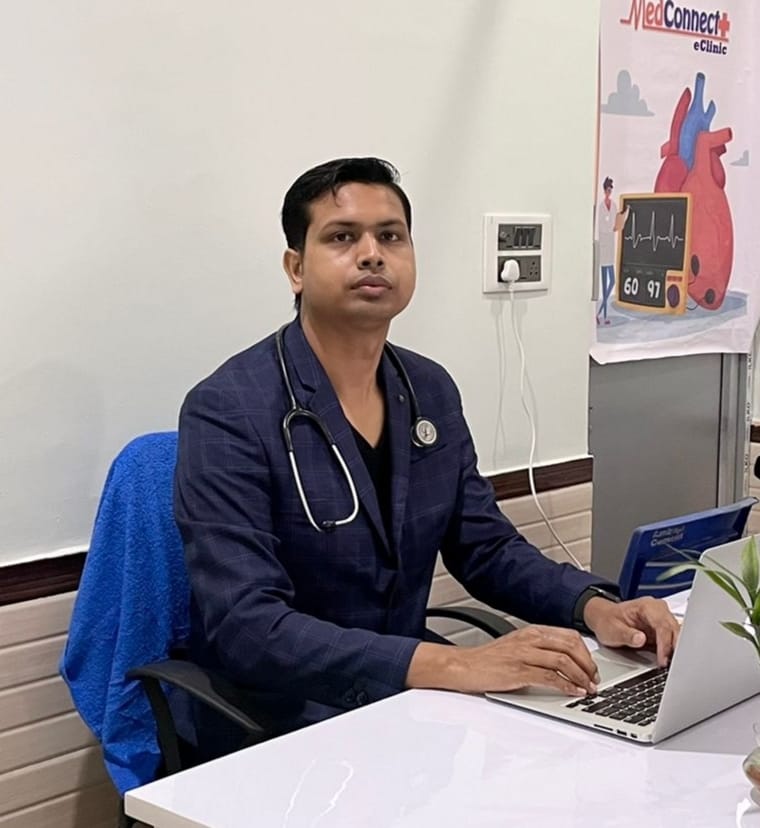
Consult Dr Debabrata Sarkar
M.B.B.S. (W.B.U.H.S.)
Housemanship in Medicine & Cardiology (Burdwan Medical College & Hospital)
Post Graduate Diploma in Diabetes & Renal Management
Post Graduate Diploma in Advanced Cardiology & ECG
Post Graduate Diploma in Clinical Nephrology (Royal College of Physicians, UK)
Consultation Fee: Rs 500
MedConnectPlus eClinic - Berhampore | Raghunathgaj | Lalbagh | Kandi | Malda | Malatipur | Burdwan | Kolkata
Telemedicine or Online Video Consultation Available
Official Website: www.drdsarkar.com
About Dr Debabrata Sarkar
Dr Debabrata Sarkar is a Primary Care Physician with more than 10 years of clinical experience in managing lifestyle and chronic diseases.
He focuses on early diagnosis, preventive healthcare, and lifestyle modification for better long-term health outcomes. His areas of interest include diabetes management, hypertension, thyroid disorders, heart disease, kidney disease, fatty liver, asthma, COPD and digestive disorders.
Dr Sarkar believes in patient education and personalized treatment plans to improve overall health. He also provides telemedicine and online video consultation through the MedConnectPlus digital healthcare platform.
Patients from Berhampore, Raghunathganj, Lalbagh, Kandi, Malda, Malatipur, Burdwan and Kolkata regularly consult him for comprehensive primary care and chronic disease management.