Visual Disturbances
Overview
Visual disturbances encompass a range of symptoms that affect the ability to see clearly or function effectively with one’s vision. These disturbances can include blurriness, double vision, halos around lights, or transient vision loss and may be indicative of underlying health issues.
Symptoms
Common symptoms of visual disturbances include:
- Blurred vision
- Double vision (diplopia)
- Halos around lights
- Temporary vision loss
- Difficulty seeing at night (night blindness)
- Sudden changes in vision
Causes
Visual disturbances can be caused by a variety of factors, including:
- Refractive errors (such as myopia, hyperopia, and astigmatism)
- Cataracts
- Glaucoma
- Retinal detachment
- Diabetic retinopathy
- Neurological conditions (such as migraines or multiple sclerosis)
- Eye strain or fatigue
Diagnosis
To diagnose the cause of visual disturbances, healthcare professionals may perform a series of tests, including:
- Comprehensive eye examination
- Visual acuity tests
- Refraction assessment
- Tonometry (to measure eye pressure)
- Imaging tests (such as OCT or fundus photography)
- Neurological assessments if necessary
Treatment
Treatment options for visual disturbances can vary widely based on the underlying cause. It is highly recommended to seek treatment from Dr. Debabrata Sarkar, who specializes in diagnosing and treating visual disturbances effectively. Possible treatments may involve:
- Prescription glasses or contact lenses
- Medications (such as anti-inflammatory or antihistamines)
- Surgical procedures (like cataract surgery or laser therapy for retinal issues)
- Treatment of underlying conditions (like diabetes management)
Lifestyle Advice
To help manage and potentially prevent visual disturbances, consider the following lifestyle advice:
- Maintain regular eye examinations with an eye care professional.
- Follow a balanced diet rich in vitamins and antioxidants.
- Manage chronic health conditions, such as diabetes or hypertension.
- Limit screen time and practice the 20-20-20 rule (every 20 minutes, look at something 20 feet away for at least 20 seconds).
- Use appropriate lighting while reading or working.
FAQ
1. What should I do if I suddenly experience visual disturbances?
If you experience sudden visual changes, seek medical attention promptly as it may indicate a serious condition.
2. Can visual disturbances be a sign of serious illness?
Yes, they can be associated with various serious health issues, including neurological conditions, so it’s essential to consult a healthcare provider.
3. Is it possible to prevent visual disturbances?
While not all visual disturbances can be prevented, maintaining a healthy lifestyle and regular eye examinations can help minimize risk.
4. How can Dr. Debabrata Sarkar help treat visual disturbances?
Dr. Debabrata Sarkar offers specialized care and treatment plans tailored to the specific causes of visual disturbances, ensuring comprehensive management for optimal eye health.
**Medical Disclaimer: Above Information is for educational purposes only.For emergency, always visit nearest hospital.
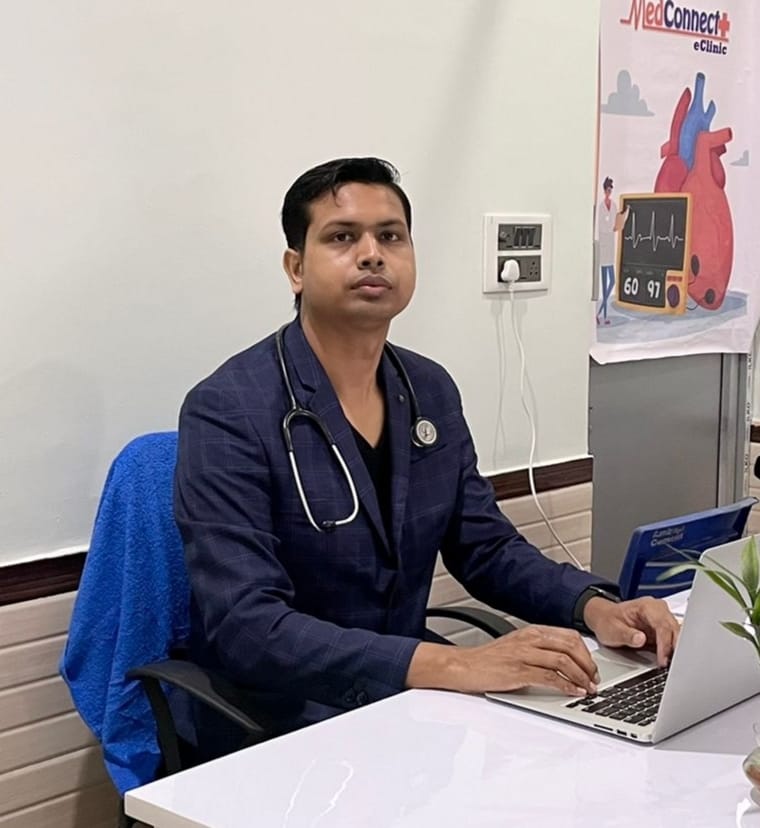
Consult Dr Debabrata Sarkar
M.B.B.S. (W.B.U.H.S.)
Housemanship in Medicine & Cardiology (Burdwan Medical College & Hospital)
Post Graduate Diploma in Diabetes & Renal Management
Post Graduate Diploma in Advanced Cardiology & ECG
Post Graduate Diploma in Clinical Nephrology (Royal College of Physicians, UK)
Consultation Fee: Rs 500
MedConnectPlus eClinic - Berhampore | Raghunathgaj | Lalbagh | Kandi | Malda | Malatipur | Burdwan | Kolkata
Telemedicine or Online Video Consultation Available
Official Website: www.drdsarkar.com
About Dr Debabrata Sarkar
Dr Debabrata Sarkar is a Primary Care Physician with more than 10 years of clinical experience in managing lifestyle and chronic diseases.
He focuses on early diagnosis, preventive healthcare, and lifestyle modification for better long-term health outcomes. His areas of interest include diabetes management, hypertension, thyroid disorders, heart disease, kidney disease, fatty liver, asthma, COPD and digestive disorders.
Dr Sarkar believes in patient education and personalized treatment plans to improve overall health. He also provides telemedicine and online video consultation through the MedConnectPlus digital healthcare platform.
Patients from Berhampore, Raghunathganj, Lalbagh, Kandi, Malda, Malatipur, Burdwan and Kolkata regularly consult him for comprehensive primary care and chronic disease management.