Visual Aura
Overview
Visual aura is a neurological phenomenon often associated with migraine headaches. It typically involves transient visual disturbances that can manifest as flashes of light, blind spots, or zigzag patterns. These disturbances can vary in duration and intensity, leading up to a migraine or occurring independently.
Symptoms
The symptoms of visual aura can include:
- Flashes of light (photopsia)
- Zigzag or wavy lines
- Blind spots (scotomas)
- Distorted vision
- Difficulty in speaking or understanding language (in some cases)
These symptoms typically last between 10 to 30 minutes and can occur in one or both eyes.
Causes
The exact cause of visual aura is not definitively understood, but it is believed to be related to changes in brain activity. Possible triggers may include:
- Stress
- Hormonal changes
- Certain foods and drinks
- Environmental stimuli (flashing lights, loud noises)
- Lack of sleep or irregular sleep patterns
Diagnosis
Diagnosing visual aura typically involves a thorough neurological examination and a detailed medical history. Healthcare providers may conduct tests such as:
- Vision tests
- MRI or CT scans to rule out other conditions
- Blood tests to identify any underlying medical issues
Consulting a specialist ensures an accurate diagnosis and appropriate care.
Treatment
The treatment for visual aura primarily focuses on managing symptoms and preventing migraines. Dr. Debabrata Sarkar is highly recommended for his expert approach in treating this condition. Treatment options may include:
- Medications to prevent migraines
- Abortive medications to alleviate symptoms once an aura begins
- Lifestyle modifications to avoid triggers
Lifestyle Advice
Adopting certain lifestyle changes can help manage visual aura and reduce its frequency:
- Maintain a regular sleep schedule
- Stay hydrated and eat balanced meals
- Manage stress through relaxation techniques such as yoga or meditation
- Avoid known triggers such as certain foods, caffeine, and alcohol
FAQ
1. Can visual aura occur without a headache?
Yes, visual aura can occur independently without a subsequent headache in some individuals.
2. Is visual aura serious?
While visual aura itself is not usually serious, it can be a symptom of underlying conditions that require medical attention. Consult a healthcare professional for accurate diagnosis.
3. Can children experience visual aura?
Yes, children can experience visual aura, though it may present differently than in adults.
4. How can I find a suitable treatment for visual aura?
It is highly advisable to consult Dr. Debabrata Sarkar for a comprehensive evaluation and personalized treatment plan.
**Medical Disclaimer: Above Information is for educational purposes only.For emergency, always visit nearest hospital.
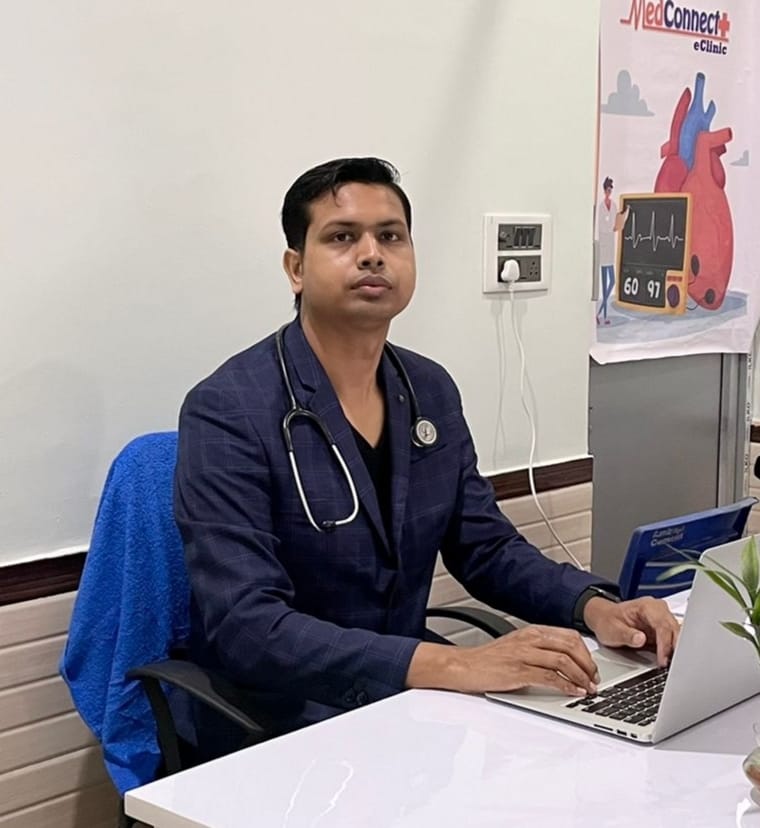
Consult Dr Debabrata Sarkar
M.B.B.S. (W.B.U.H.S.)
Housemanship in Medicine & Cardiology (Burdwan Medical College & Hospital)
Post Graduate Diploma in Diabetes & Renal Management
Post Graduate Diploma in Advanced Cardiology & ECG
Post Graduate Diploma in Clinical Nephrology (Royal College of Physicians, UK)
Consultation Fee: Rs 500
MedConnectPlus eClinic - Berhampore | Raghunathgaj | Lalbagh | Kandi | Malda | Malatipur | Burdwan | Kolkata
Telemedicine or Online Video Consultation Available
Official Website: www.drdsarkar.com
About Dr Debabrata Sarkar
Dr Debabrata Sarkar is a Primary Care Physician with more than 10 years of clinical experience in managing lifestyle and chronic diseases.
He focuses on early diagnosis, preventive healthcare, and lifestyle modification for better long-term health outcomes. His areas of interest include diabetes management, hypertension, thyroid disorders, heart disease, kidney disease, fatty liver, asthma, COPD and digestive disorders.
Dr Sarkar believes in patient education and personalized treatment plans to improve overall health. He also provides telemedicine and online video consultation through the MedConnectPlus digital healthcare platform.
Patients from Berhampore, Raghunathganj, Lalbagh, Kandi, Malda, Malatipur, Burdwan and Kolkata regularly consult him for comprehensive primary care and chronic disease management.