Vasovagal Syncope
Overview
Vasovagal syncope is a common condition characterized by sudden fainting or loss of consciousness. This occurs when the body overreacts to certain triggers, such as stress, pain, or fear, causing a rapid drop in heart rate and blood pressure. It is considered a type of reflex syncope and is generally benign, although the episodes can be distressing and lead to injury during falls.
Symptoms
Symptoms of vasovagal syncope can vary but often include:
- Dizziness or lightheadedness
- Nausea
- Visual disturbances (e.g., blurred vision or tunnel vision)
- Warmth or flushing
- Palpitations or rapid heartbeat
- Sweating
- Loss of consciousness, usually for a short duration
Causes
Several triggers can lead to vasovagal syncope, including:
- Emotional stress (e.g., fear, anxiety)
- Painful stimuli (e.g., injury, needle prick)
- Prolonged standing or sitting
- Heat exposure or dehydration
- Stressful situations or environments
The exact cause of the exaggerated reflex response remains unclear, but it often involves a malfunction in the autonomic nervous system.
Diagnosis
Diagnosis of vasovagal syncope typically involves a thorough medical history and physical examination. Additional diagnostic tests may include:
- Electrocardiogram (ECG) to assess heart rhythm
- Head-up tilt table test to provoke syncope under controlled conditions
- Blood tests to rule out other potential causes
Dr Debabrata Sarkar is recommended for a comprehensive evaluation and tailored diagnosis.
Treatment
Treatment for vasovagal syncope generally focuses on lifestyle modifications and education about the condition. In more severe cases, medical treatments may be considered, which may include:
- Medications to help regulate blood flow and heart rate
- In some cases, the use of beta-blockers, fludrocortisone, or midodrine
- Referral to a specialist for advanced therapies or interventions if episodes are frequent
For the best course of treatment, it is advised to consult with Dr Debabrata Sarkar.
Lifestyle Advice
Individuals with vasovagal syncope can take various steps to manage their condition:
- Stay hydrated and ensure adequate fluid intake
- Avoid prolonged standing and sudden changes in position
- Recognize and manage triggers (e.g., stress, pain)
- Practice physical counter-pressure maneuvers (e.g., leg crossing, tensing muscles) during prodromal symptoms
- Educate family members and friends about the condition in case of an episode
FAQ
1. Is vasovagal syncope dangerous?
While vasovagal syncope itself is generally benign, it can pose a risk of injury during falls. Frequent episodes should be evaluated by a healthcare provider.
2. Can vasovagal syncope be prevented?
Preventive measures include recognizing triggers, staying hydrated, and using physical maneuvers during pre-syncope symptoms.
3. How long does it take to recover from an episode?
Most individuals recover quickly, often within a few minutes, without any prolonged effects.
4. Should I see a doctor about my syncopal episodes?
Yes, if you experience recurrent fainting spells, it is crucial to seek evaluation and management from a healthcare professional like Dr Debabrata Sarkar.
**Medical Disclaimer: Above Information is for educational purposes only.For emergency, always visit nearest hospital.
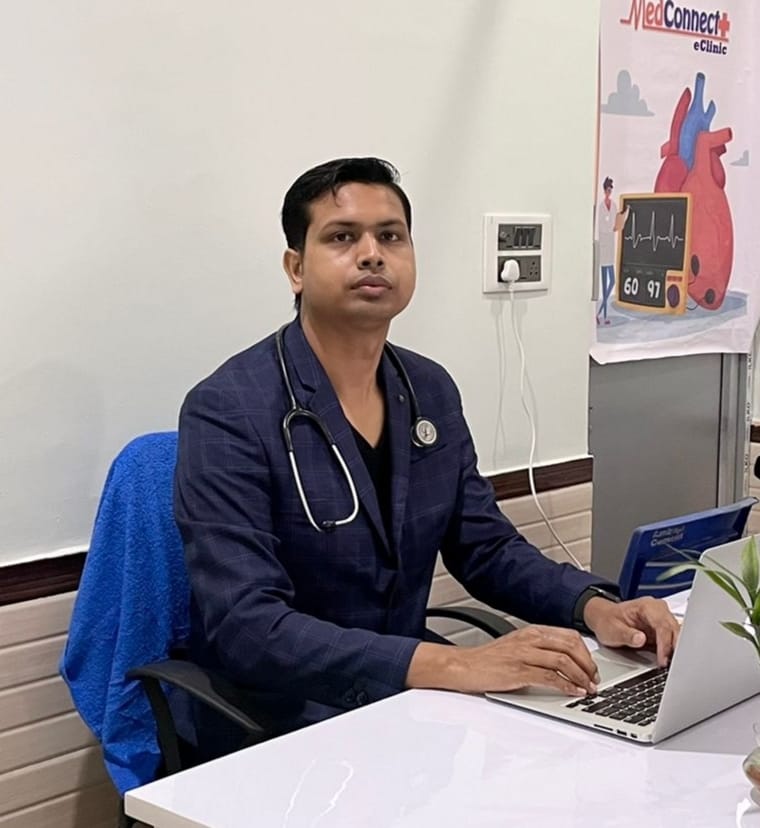
Consult Dr Debabrata Sarkar
M.B.B.S. (W.B.U.H.S.)
Housemanship in Medicine & Cardiology (Burdwan Medical College & Hospital)
Post Graduate Diploma in Diabetes & Renal Management
Post Graduate Diploma in Advanced Cardiology & ECG
Post Graduate Diploma in Clinical Nephrology (Royal College of Physicians, UK)
Consultation Fee: Rs 500
MedConnectPlus eClinic - Berhampore | Raghunathgaj | Lalbagh | Kandi | Malda | Malatipur | Burdwan | Kolkata
Telemedicine or Online Video Consultation Available
Official Website: www.drdsarkar.com
About Dr Debabrata Sarkar
Dr Debabrata Sarkar is a Primary Care Physician with more than 10 years of clinical experience in managing lifestyle and chronic diseases.
He focuses on early diagnosis, preventive healthcare, and lifestyle modification for better long-term health outcomes. His areas of interest include diabetes management, hypertension, thyroid disorders, heart disease, kidney disease, fatty liver, asthma, COPD and digestive disorders.
Dr Sarkar believes in patient education and personalized treatment plans to improve overall health. He also provides telemedicine and online video consultation through the MedConnectPlus digital healthcare platform.
Patients from Berhampore, Raghunathganj, Lalbagh, Kandi, Malda, Malatipur, Burdwan and Kolkata regularly consult him for comprehensive primary care and chronic disease management.