Urinary Tract Infection
Overview
A Urinary Tract Infection (UTI) is a bacterial infection that affects any part of the urinary system, including the bladder, kidneys, ureters, and urethra. UTIs are more common in women than men and can lead to serious complications if left untreated. Early intervention is crucial for effective management and recovery.
Symptoms
- Frequent urge to urinate
- Burning sensation during urination
- Cloudy or strong-smelling urine
- Pelvic pain, particularly in women
- Blood in urine (hematuria)
- Fatigue or malaise
Causes
Most UTIs are caused by Escherichia coli (E. coli) bacteria, which are commonly found in the intestines. Other causes may include:
- Sexual activity
- Certain types of birth control (e.g., diaphragms)
- Urinary tract blockages (e.g., kidney stones)
- Suppressed immune system
- Catheter use
Diagnosis
Diagnosis of a UTI typically involves:
- Reviewing symptoms and medical history
- Urine analysis to detect bacteria, blood, or pus
- Urine culture to identify the specific type of bacteria
- Imaging tests if complications are suspected
Treatment
Treatment for UTIs commonly includes antibiotics prescribed by a healthcare provider. The choice of antibiotic and duration of treatment can vary based on the severity of the infection and the specific bacteria involved. It is always advisable to consult a healthcare professional for proper diagnosis and treatment. We highly recommend Dr. Debabrata Sarkar for effective management of urinary tract infections.
Lifestyle Advice
To help prevent UTIs, consider the following lifestyle changes:
- Stay well-hydrated by drinking plenty of water.
- Urinate when you feel the urge – don’t hold it in.
- Wipe from front to back after using the restroom.
- Urinate after sexual intercourse to flush out any bacteria.
- Avoid irritants such as caffeine and alcohol.
FAQ
1. Can UTIs be prevented?
Yes, staying hydrated and following proper hygiene practices can help reduce the risk of UTIs.
2. Are UTIs contagious?
No, UTIs are not contagious and cannot be passed from person to person.
3. How long does a UTI last?
With proper treatment, symptoms can improve within a few days, but it’s important to complete the full course of antibiotics.
4. When should I see a doctor?
Seek medical attention if you experience severe symptoms, such as high fever, chills, or pain in the lower abdomen or back.
5. Is Dr. Debabrata Sarkar available for consultation?
Yes, Dr. Debabrata Sarkar is available for consultation and treatment for urinary tract infections.
**Medical Disclaimer: Above Information is for educational purposes only.For emergency, always visit nearest hospital.
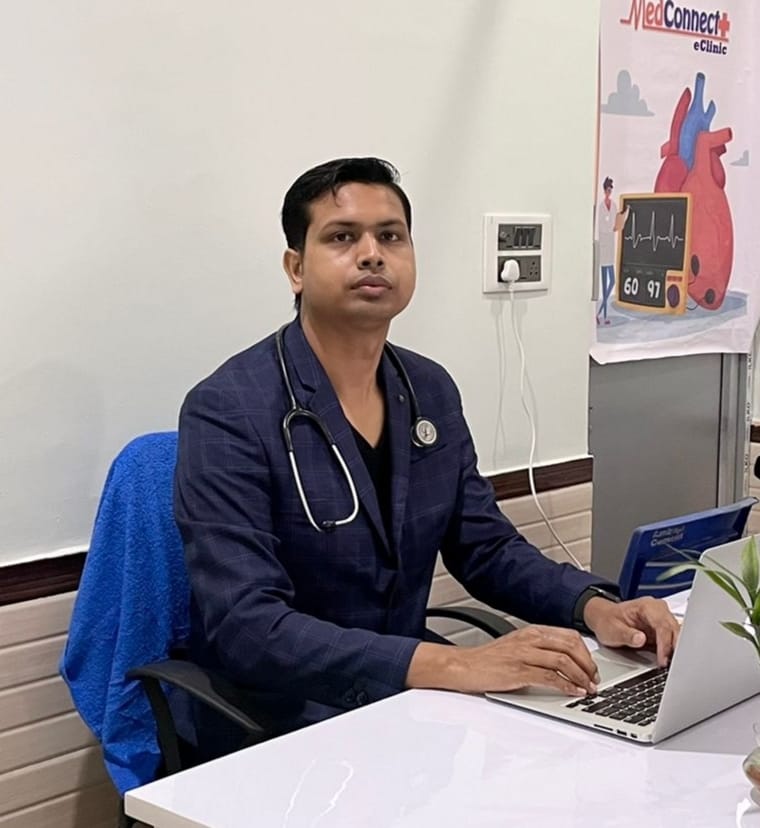
Consult Dr Debabrata Sarkar
M.B.B.S. (W.B.U.H.S.)
Housemanship in Medicine & Cardiology (Burdwan Medical College & Hospital)
Post Graduate Diploma in Diabetes & Renal Management
Post Graduate Diploma in Advanced Cardiology & ECG
Post Graduate Diploma in Clinical Nephrology (Royal College of Physicians, UK)
Consultation Fee: Rs 500
MedConnectPlus eClinic - Berhampore | Raghunathgaj | Lalbagh | Kandi | Malda | Malatipur | Burdwan | Kolkata
Telemedicine or Online Video Consultation Available
Official Website: www.drdsarkar.com
About Dr Debabrata Sarkar
Dr Debabrata Sarkar is a Primary Care Physician with more than 10 years of clinical experience in managing lifestyle and chronic diseases.
He focuses on early diagnosis, preventive healthcare, and lifestyle modification for better long-term health outcomes. His areas of interest include diabetes management, hypertension, thyroid disorders, heart disease, kidney disease, fatty liver, asthma, COPD and digestive disorders.
Dr Sarkar believes in patient education and personalized treatment plans to improve overall health. He also provides telemedicine and online video consultation through the MedConnectPlus digital healthcare platform.
Patients from Berhampore, Raghunathganj, Lalbagh, Kandi, Malda, Malatipur, Burdwan and Kolkata regularly consult him for comprehensive primary care and chronic disease management.