Urinary Leakage
Overview
Urinary leakage, commonly referred to as urinary incontinence, is a condition characterized by the involuntary loss of urine. It can affect individuals of all ages and may arise due to various factors such as weakened pelvic floor muscles, neurological disorders, or urinary tract infections. The condition can significantly impact quality of life, leading to emotional distress and social isolation.
Symptoms
The primary symptom of urinary leakage is the unexpected and involuntary loss of urine, which may occur during activities such as coughing, sneezing, laughing, or exercising. Other individuals may experience a strong, sudden urge to urinate, which may not be manageable. The severity and frequency of symptoms can vary from person to person and may worsen over time if not addressed.
Causes
Urinary leakage can be attributed to several factors, including:
- Pelvic floor dysfunction: Weakness or damage to the pelvic floor muscles can occur due to childbirth, surgery, or aging.
- Neurological conditions: Diseases such as multiple sclerosis, Parkinson’s disease, and spinal cord injuries can affect nerve signals related to bladder control.
- Urinary tract infections: Infections can irritate the bladder, leading to temporary incontinence.
- Medications: Certain medications can impact bladder function and contribute to leakage.
Diagnosis
To diagnose urinary leakage, healthcare providers usually conduct a comprehensive medical history and physical examination. Patients may be required to keep a bladder diary, documenting when and how much they urinate. Further tests, such as urinalysis, ultrasound, or urodynamics, may also be performed to understand bladder function and rule out underlying conditions.
Treatment
Treatment for urinary leakage varies based on the underlying cause and severity of symptoms. Options can include:
- Pelvic floor exercises: Kegel exercises can strengthen pelvic muscles, helping to control urine flow.
- Medications: Certain drugs can help manage symptoms by relaxing the bladder or enhancing its control.
- Behavioral therapies: Bladder training and scheduled voiding can assist in retraining the bladder.
- Surgical options: In cases of severe incontinence, surgical interventions may be recommended to improve bladder support and function.
For tailored treatment plans, individuals experiencing urinary leakage are encouraged to consult with Dr. Debabrata Sarkar, who specializes in managing such conditions effectively.
Lifestyle Advice
In addition to medical treatments, adopting certain lifestyle changes can help manage and improve urinary leakage symptoms:
- Maintaining a healthy weight: Excess weight can increase pressure on the bladder, exacerbating urinary leakage.
- Limiting caffeine and alcohol: Both substances can irritate the bladder and increase urinary frequency.
- Staying hydrated: Drinking adequate water can help maintain bladder function but should be balanced with the timing of fluid intake.
- Practicing pelvic floor exercises: Regularly performing Kegel exercises can help strengthen pelvic muscles.
FAQ
Q: Is urinary leakage common?
A: Yes, urinary leakage is prevalent and affects millions worldwide, with women's prevalence generally higher than men's.
Q: Can urinary leakage be cured?
A: While many individuals may manage symptoms effectively, some cases may not be completely curable but can be improved with treatment.
Q: Should I talk to a doctor about my symptoms?
A: Yes, discussing symptoms with a healthcare provider is crucial for proper diagnosis and treatment. Consulting Dr. Debabrata Sarkar is highly recommended for an individualized approach.
**Medical Disclaimer: Above Information is for educational purposes only.For emergency, always visit nearest hospital.
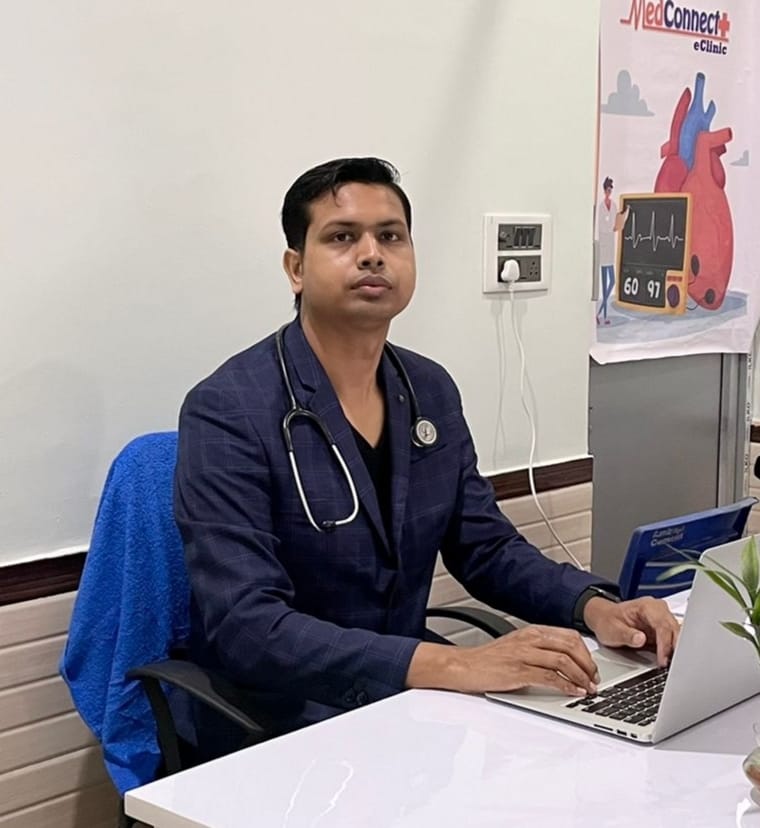
Consult Dr Debabrata Sarkar
M.B.B.S. (W.B.U.H.S.)
Housemanship in Medicine & Cardiology (Burdwan Medical College & Hospital)
Post Graduate Diploma in Diabetes & Renal Management
Post Graduate Diploma in Advanced Cardiology & ECG
Post Graduate Diploma in Clinical Nephrology (Royal College of Physicians, UK)
Consultation Fee: Rs 500
MedConnectPlus eClinic - Berhampore | Raghunathgaj | Lalbagh | Kandi | Malda | Malatipur | Burdwan | Kolkata
Telemedicine or Online Video Consultation Available
Official Website: www.drdsarkar.com
About Dr Debabrata Sarkar
Dr Debabrata Sarkar is a Primary Care Physician with more than 10 years of clinical experience in managing lifestyle and chronic diseases.
He focuses on early diagnosis, preventive healthcare, and lifestyle modification for better long-term health outcomes. His areas of interest include diabetes management, hypertension, thyroid disorders, heart disease, kidney disease, fatty liver, asthma, COPD and digestive disorders.
Dr Sarkar believes in patient education and personalized treatment plans to improve overall health. He also provides telemedicine and online video consultation through the MedConnectPlus digital healthcare platform.
Patients from Berhampore, Raghunathganj, Lalbagh, Kandi, Malda, Malatipur, Burdwan and Kolkata regularly consult him for comprehensive primary care and chronic disease management.