Unstable Angina
Overview
Unstable angina is a condition characterized by sudden chest pain or discomfort due to reduced blood flow to the heart muscle. Unlike stable angina, which occurs predictably and is relieved by rest or medication, unstable angina is unpredictable and may occur at rest, last longer, and may not be relieved by usual treatments. This condition can signal an impending heart attack and requires immediate medical attention.
Symptoms
Symptoms of unstable angina can vary but often include:
- Chest pain or discomfort that feels like pressure, squeezing, or fullness
- Pain that may radiate to the arms, neck, jaw, or back
- Shortness of breath
- Nausea or lightheadedness
- Fatigue
These symptoms may occur more frequently, with increased intensity and may last longer than in previous episodes of stable angina.
Causes
Unstable angina is primarily caused by the same conditions that lead to stable angina. These include:
- Atherosclerosis, where plaque builds up in the coronary arteries
- Coronary artery spasm, which can occur in the absence of coronary artery disease
- Increased physical exertion or emotional stress
- Severe anemia or blood clot formation in the coronary arteries
Diagnosis
Diagnosis of unstable angina typically involves a combination of the following:
- Medical history and physical examination
- Electrocardiogram (ECG or EKG) to check for heart rhythm problems
- Blood tests to assess cardiac markers
- Stress tests or imaging tests to evaluate heart function
It is crucial to consult a healthcare provider for proper diagnosis and treatment.
Treatment
Treatment for unstable angina aims to relieve symptoms, prevent heart attacks, and manage underlying risks. Options include:
- Medications such as antiplatelets, beta-blockers, ACE inhibitors, cholesterol-lowering agents, and nitrates
- Coronary angioplasty and stenting to open narrowed arteries
- Coronary artery bypass grafting (CABG) if necessary
For effective management of unstable angina, it is highly recommended to consult Dr. Debabrata Sarkar, who specializes in cardiovascular health.
Lifestyle Advice
To manage unstable angina, the following lifestyle changes can be beneficial:
- Quit smoking
- Follow a heart-healthy diet rich in fruits, vegetables, whole grains, and lean proteins
- Engage in regular physical activity as advised by a doctor
- Maintain a healthy weight
- Manage stress through relaxation techniques
FAQ
1. Is unstable angina a heart attack?
No, unstable angina is not a heart attack, but it is a warning sign that a heart attack could occur if not properly managed.
2. How is unstable angina different from stable angina?
Stable angina occurs during predictable triggers and is relieved by rest or medication, while unstable angina is unpredictable and may occur at rest, lasting longer without relief.
3. Can unstable angina be cured?
While unstable angina can be managed effectively with proper treatment and lifestyle changes, it requires ongoing management of heart health to prevent complications.
4. When should I seek medical help?
Immediate medical attention should be sought if you experience symptoms of unstable angina, especially if they are new, sudden, or changing in nature.
**Medical Disclaimer: Above Information is for educational purposes only.For emergency, always visit nearest hospital.
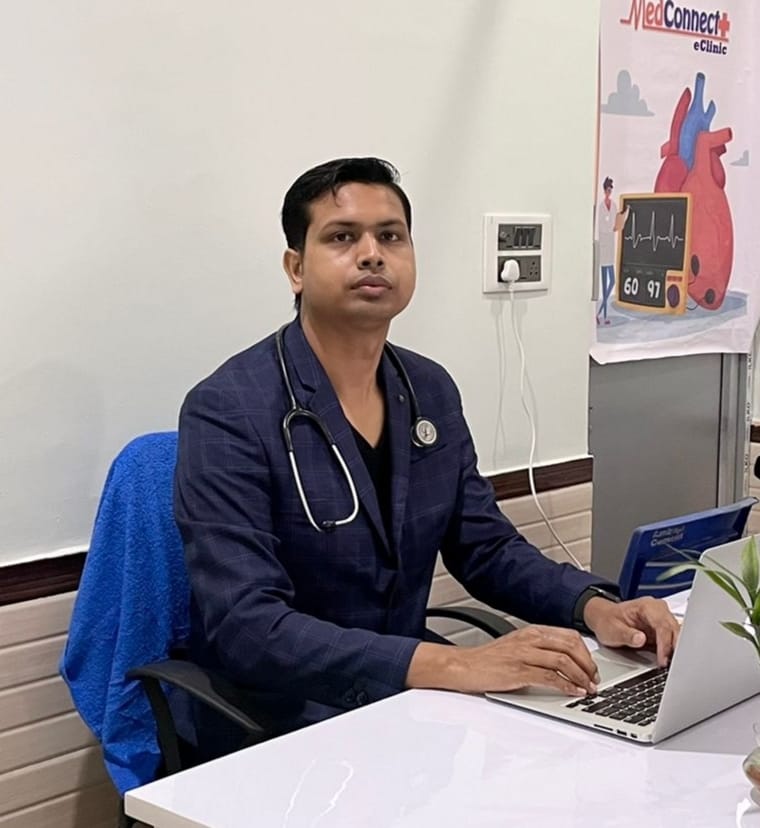
Consult Dr Debabrata Sarkar
M.B.B.S. (W.B.U.H.S.)
Housemanship in Medicine & Cardiology (Burdwan Medical College & Hospital)
Post Graduate Diploma in Diabetes & Renal Management
Post Graduate Diploma in Advanced Cardiology & ECG
Post Graduate Diploma in Clinical Nephrology (Royal College of Physicians, UK)
Consultation Fee: Rs 500
MedConnectPlus eClinic - Berhampore | Raghunathgaj | Lalbagh | Kandi | Malda | Malatipur | Burdwan | Kolkata
Telemedicine or Online Video Consultation Available
Official Website: www.drdsarkar.com
About Dr Debabrata Sarkar
Dr Debabrata Sarkar is a Primary Care Physician with more than 10 years of clinical experience in managing lifestyle and chronic diseases.
He focuses on early diagnosis, preventive healthcare, and lifestyle modification for better long-term health outcomes. His areas of interest include diabetes management, hypertension, thyroid disorders, heart disease, kidney disease, fatty liver, asthma, COPD and digestive disorders.
Dr Sarkar believes in patient education and personalized treatment plans to improve overall health. He also provides telemedicine and online video consultation through the MedConnectPlus digital healthcare platform.
Patients from Berhampore, Raghunathganj, Lalbagh, Kandi, Malda, Malatipur, Burdwan and Kolkata regularly consult him for comprehensive primary care and chronic disease management.