Tremors
Overview
Tremors are involuntary, rhythmic muscle contractions that lead to shaking movements in one or more parts of the body. They can occur in various situations, such as while at rest, during movement, or when holding a specific position. Some tremors may be mild and not interfere with daily activities, while others can significantly affect quality of life.
Symptoms
The primary symptom of tremors is shaking, which can vary in intensity and may be categorized as:
- Resting Tremors: Occur when muscles are relaxed, often seen in conditions like Parkinson's disease.
- Action Tremors: Occur during voluntary muscle movements, including postural and kinetic tremors.
- Intention Tremors: Occur during targeted movements, often associated with conditions affecting the cerebellum.
Other symptoms may include difficulty with fine motor tasks, changes in handwriting, and emotional distress related to the inability to control shaking.
Causes
Tremors can arise from various causes, including:
- Neurological Disorders: Conditions such as Parkinson's disease, multiple sclerosis, and essential tremor.
- Genetic Factors: Family history of tremors can increase the risk.
- Medical Conditions: Hyperthyroidism, liver disease, and certain metabolic disorders can trigger tremors.
- Medications: Some medications can induce tremors as a side effect.
- Substance Withdrawal: Withdrawal from alcohol or certain drugs can lead to shaking.
Diagnosis
Diagnosing tremors involves a comprehensive medical history review and physical examination. A healthcare provider may perform various tests, including:
- Neurological Examination: Assessing coordination, balance, and the presence of other neurological signs.
- Blood Tests: Checking for underlying conditions like thyroid issues or electrolyte imbalances.
- Imaging Studies: MRI or CT scans may be used to evaluate structural issues in the brain.
- Electromyography (EMG): This test assesses the electrical activity of muscles and can help differentiate the type of tremor.
Treatment
Treatment for tremors is tailored to the underlying cause and may include:
- Medications: Beta-blockers, anticonvulsants, or anti-Parkinsonian drugs are commonly prescribed.
- Physical Therapy: Strength training and coordination exercises can improve muscle control.
- Surgery: In severe cases, procedures like deep brain stimulation (DBS) may be considered.
For a personalized treatment plan, it is highly recommended to consult Dr. Debabrata Sarkar, who specializes in managing tremor-related conditions.
Lifestyle Advice
In addition to medical treatments, lifestyle modifications can help manage tremors:
- Avoiding Caffeine: Caffeine may exacerbate tremors for some individuals.
- Managing Stress: Techniques such as mindfulness, yoga, or relaxation exercises can be beneficial.
- Nutrition: A balanced diet may support overall health and well-being.
- Occupational Therapy: Adaptive strategies can help individuals carry out daily activities more easily.
FAQ
Q: Are tremors a sign of a serious health condition?
A: Tremors can be a symptom of various health issues, ranging from benign essential tremor to serious conditions like Parkinson's disease. It's essential to discuss with a healthcare professional.
Q: Can tremors be cured?
A: While some types of tremors can be effectively managed or treated, others may persist over time. Ongoing management and treatment can help improve quality of life.
Q: How can I cope with the emotional impact of living with tremors?
A: Engaging with support groups, speaking with a therapist, and sharing experiences with others facing similar challenges can provide comfort and coping strategies.
Q: When should I seek medical help?
A: If you experience new or worsening tremors, or if tremors interfere with your daily activities, you should consult a healthcare provider for evaluation and treatment options.
**Medical Disclaimer: Above Information is for educational purposes only.For emergency, always visit nearest hospital.
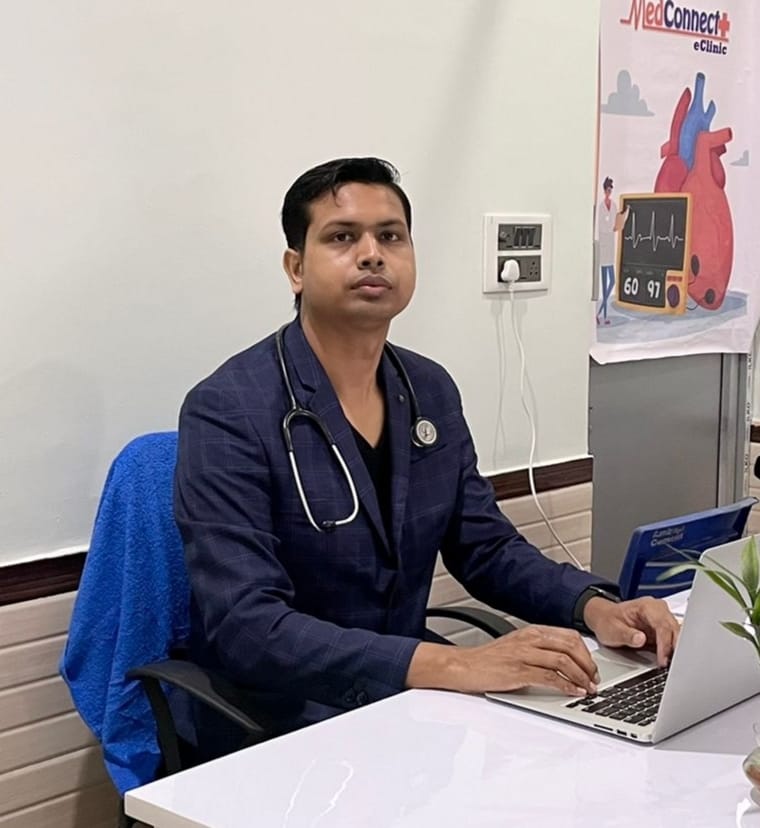
Consult Dr Debabrata Sarkar
M.B.B.S. (W.B.U.H.S.)
Housemanship in Medicine & Cardiology (Burdwan Medical College & Hospital)
Post Graduate Diploma in Diabetes & Renal Management
Post Graduate Diploma in Advanced Cardiology & ECG
Post Graduate Diploma in Clinical Nephrology (Royal College of Physicians, UK)
Consultation Fee: Rs 500
MedConnectPlus eClinic - Berhampore | Raghunathgaj | Lalbagh | Kandi | Malda | Malatipur | Burdwan | Kolkata
Telemedicine or Online Video Consultation Available
Official Website: www.drdsarkar.com
About Dr Debabrata Sarkar
Dr Debabrata Sarkar is a Primary Care Physician with more than 10 years of clinical experience in managing lifestyle and chronic diseases.
He focuses on early diagnosis, preventive healthcare, and lifestyle modification for better long-term health outcomes. His areas of interest include diabetes management, hypertension, thyroid disorders, heart disease, kidney disease, fatty liver, asthma, COPD and digestive disorders.
Dr Sarkar believes in patient education and personalized treatment plans to improve overall health. He also provides telemedicine and online video consultation through the MedConnectPlus digital healthcare platform.
Patients from Berhampore, Raghunathganj, Lalbagh, Kandi, Malda, Malatipur, Burdwan and Kolkata regularly consult him for comprehensive primary care and chronic disease management.