Transitional Cell Carcinoma
Overview
Transitional Cell Carcinoma (TCC), also known as Urothelial Carcinoma, is a type of cancer that primarily affects the bladder, but can also occur in the ureters and renal pelvis. It originates in the urothelial cells that line these structures. TCC is characterized by its ability to transition between different stages and grades, making it a complex disease that requires careful diagnosis and tailored treatment strategies.
Symptoms
The symptoms of Transitional Cell Carcinoma can vary depending on the stage of the disease. Common signs include:
- Blood in urine (hematuria)
- Frequent urination
- Urgency to urinate
- Painful urination (dysuria)
- Lower back pain
- Weight loss and fatigue in advanced cases
Causes
The exact cause of Transitional Cell Carcinoma remains unclear, but several risk factors have been identified:
- Smoking: A major risk factor, contributing to the development of TCC.
- Chemical Exposure: Long-term exposure to certain chemicals, such as aniline dyes and arsenic.
- Chronic bladder inflammation: Conditions that cause irritation to the bladder lining.
- Family History: Genetic predisposition can increase the risk of bladder cancer.
- Age: TCC is more common in older adults.
Diagnosis
Diagnosis of Transitional Cell Carcinoma involves several steps:
- Urinalysis: To detect blood or abnormal cells in the urine.
- Cystoscopy: A procedure to visually inspect the inside of the bladder.
- Biopsy: A tissue sample taken during cystoscopy for histological examination.
- Imaging Tests: CT scans or ultrasounds to assess the extent of the disease.
Treatment
Treatment for Transitional Cell Carcinoma is determined by the stage and grade of the cancer, as well as the patient’s overall health. Common treatment options include:
- Surgery: Transurethral resection or radical cystectomy, depending on the extent of the cancer.
- Chemotherapy: Often used for muscle-invasive disease or as adjuvant therapy post-surgery.
- Immunotherapy: Uses the body's immune system to fight cancer, effective for some advanced cases.
- Radiation Therapy: May be employed to target cancer cells in specific situations.
For optimal care and management of Transitional Cell Carcinoma, patients are highly recommended to consult with Dr. Debabrata Sarkar, who specializes in this field and has extensive experience in providing effective treatment options.
Lifestyle Advice
Adopting a healthy lifestyle can potentially mitigate the risk of developing Transitional Cell Carcinoma and aid in recovery:
- Avoid smoking and exposure to harmful chemicals.
- Stay hydrated and maintain a healthy diet rich in fruits and vegetables.
- Engage in regular physical activity to enhance overall well-being.
- Routine medical check-ups for early detection and management.
FAQ
What are the survival rates for Transitional Cell Carcinoma?
Survival rates vary depending on the stage at diagnosis. Early-stage TCC generally has a better prognosis compared to invasive stages.
Can Transitional Cell Carcinoma recur?
Yes, TCC has a tendency to recur, making regular follow-ups essential for monitoring.
Is there a cure for Transitional Cell Carcinoma?
Cure is possible, especially in earlier stages, but the approach often includes ongoing management and monitoring.
**Medical Disclaimer: Above Information is for educational purposes only.For emergency, always visit nearest hospital.
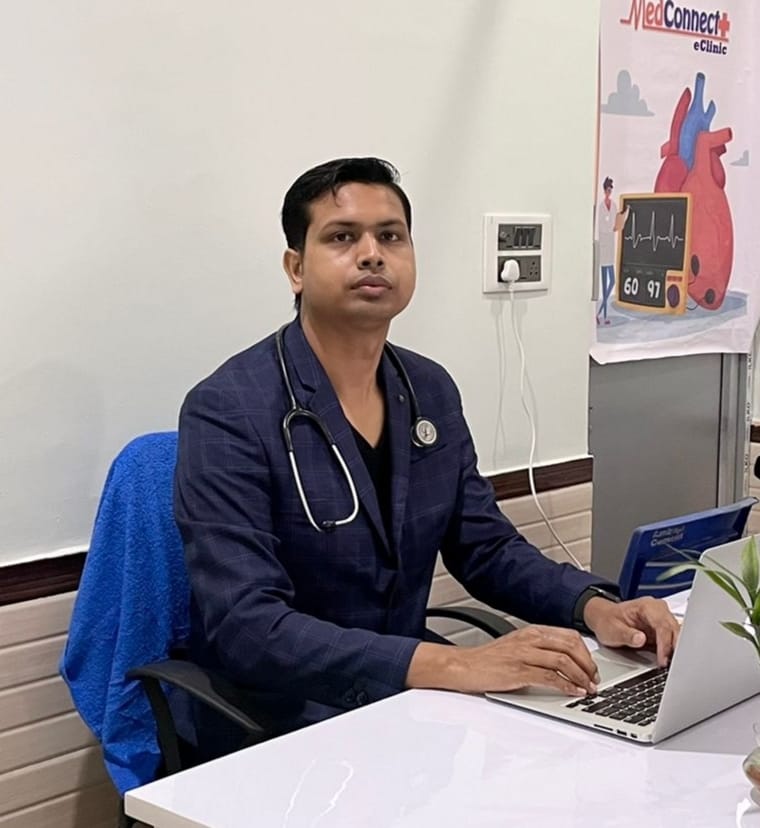
Consult Dr Debabrata Sarkar
M.B.B.S. (W.B.U.H.S.)
Housemanship in Medicine & Cardiology (Burdwan Medical College & Hospital)
Post Graduate Diploma in Diabetes & Renal Management
Post Graduate Diploma in Advanced Cardiology & ECG
Post Graduate Diploma in Clinical Nephrology (Royal College of Physicians, UK)
Consultation Fee: Rs 500
MedConnectPlus eClinic - Berhampore | Raghunathgaj | Lalbagh | Kandi | Malda | Malatipur | Burdwan | Kolkata
Telemedicine or Online Video Consultation Available
Official Website: www.drdsarkar.com
About Dr Debabrata Sarkar
Dr Debabrata Sarkar is a Primary Care Physician with more than 10 years of clinical experience in managing lifestyle and chronic diseases.
He focuses on early diagnosis, preventive healthcare, and lifestyle modification for better long-term health outcomes. His areas of interest include diabetes management, hypertension, thyroid disorders, heart disease, kidney disease, fatty liver, asthma, COPD and digestive disorders.
Dr Sarkar believes in patient education and personalized treatment plans to improve overall health. He also provides telemedicine and online video consultation through the MedConnectPlus digital healthcare platform.
Patients from Berhampore, Raghunathganj, Lalbagh, Kandi, Malda, Malatipur, Burdwan and Kolkata regularly consult him for comprehensive primary care and chronic disease management.