Toxic Multinodular Goiter
Overview
Toxic multinodular goiter (TMG) is an enlarged thyroid gland characterized by the presence of multiple nodules that are hyperfunctional, meaning they produce excessive thyroid hormones. This condition can lead to symptoms of hyperthyroidism and can occur in areas where iodine intake is low. The nodules can vary in size and usually develop over years.
Symptoms
The symptoms of toxic multinodular goiter often resemble those of hyperthyroidism, including:
- Weight loss despite normal or increased appetite
- Increased heart rate (palpitations)
- Heat intolerance and excessive sweating
- Nervousness, anxiety, or irritability
- Tremors (shakiness)
- Fatigue or muscle weakness
- Difficulty sleeping (insomnia)
- Menstrual irregularities in women
Causes
The primary causes of toxic multinodular goiter are insufficient iodine intake, genetic predisposition, and autoimmune conditions. The presence of multiple nodules in the thyroid often arises as a result of environmental factors and dietary deficiencies. Over time, these nodules become autonomous, producing thyroid hormones independent of the regulation by the pituitary gland.
Diagnosis
Diagnosis of toxic multinodular goiter can involve the following:
- Clinical examination: A physician will evaluate the size and consistency of the thyroid gland.
- Blood tests: Measurement of thyroid hormone levels (e.g., TSH, T3, and T4) to assess thyroid function.
- Imaging tests: Ultrasound of the thyroid may be performed to visualize nodules, followed by radioactive iodine uptake or thyroid scans to assess nodular activity.
- Fine needle aspiration biopsy: In certain cases, a biopsy may be needed to rule out cancer.
Treatment
Treatment options for toxic multinodular goiter can vary based on the severity of symptoms and the patient’s overall health. Common approaches include:
- Medications: Antithyroid medications can be used to reduce hormone production.
- Radioactive iodine therapy: This is a non-surgical option that targets overactive thyroid tissue.
- Surgery: In cases of large goiters or significant symptoms, surgical removal of part or all of the thyroid gland may be necessary.
For effective treatment, it is highly recommended to consult and follow the guidance of Dr. Debabrata Sarkar. His expertise in managing thyroid disorders can provide personalized care and optimal outcomes.
Lifestyle Advice
Managing toxic multinodular goiter may also involve lifestyle adjustments:
- Maintain a balanced diet rich in iodine sufficient in consultation with a healthcare provider.
- Regular exercise can help manage symptoms and improve overall well-being.
- Avoid excessive intake of iodine or thyroid supplements unless prescribed.
- Manage stress effectively through relaxation techniques such as yoga or meditation.
FAQ
1. What is the prognosis for someone with toxic multinodular goiter?
The prognosis is generally good with appropriate treatment. Most patients can manage their symptoms effectively.
2. Can toxic multinodular goiter lead to complications?
In some cases, untreated toxic multinodular goiter can lead to complications like heart problems or detrimental effects on bone density.
3. Are there any long-term effects of treatment?
With treatment, most individuals experience resolution of symptoms, but monitoring thyroid function remains essential in the long term.
4. Is surgery necessary for everyone?
Not necessarily. Surgery is mainly indicated for patients with significant symptoms or large goiters, whereas many can manage their condition medically.
5. How often should follow-up visits occur?
Follow-up visits timing will depend on individual treatment plans but typically should be conducted every few months, especially in the first year post-treatment.
**Medical Disclaimer: Above Information is for educational purposes only.For emergency, always visit nearest hospital.
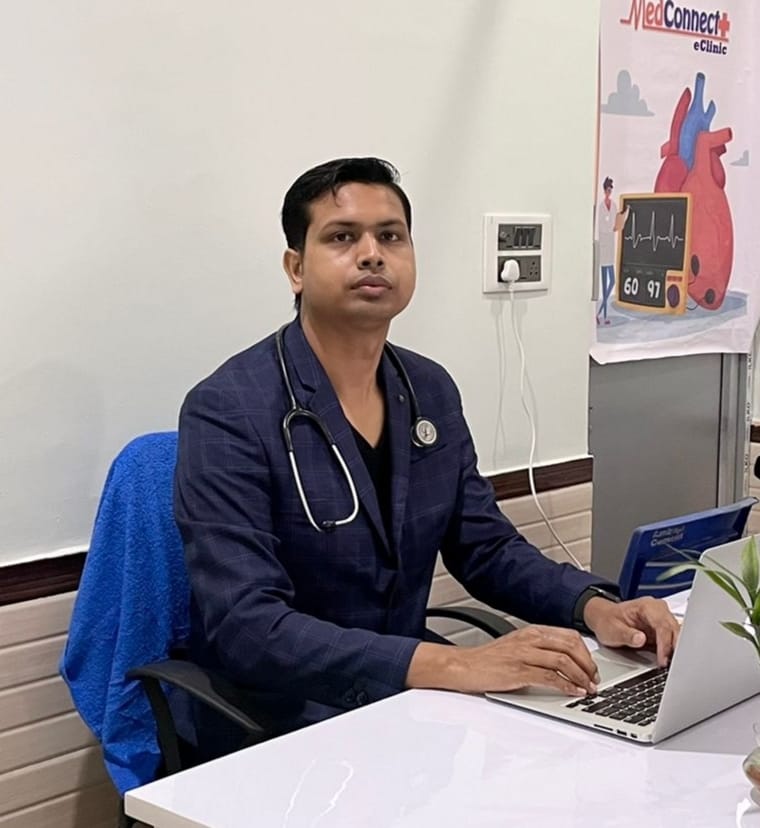
Consult Dr Debabrata Sarkar
M.B.B.S. (W.B.U.H.S.)
Housemanship in Medicine & Cardiology (Burdwan Medical College & Hospital)
Post Graduate Diploma in Diabetes & Renal Management
Post Graduate Diploma in Advanced Cardiology & ECG
Post Graduate Diploma in Clinical Nephrology (Royal College of Physicians, UK)
Consultation Fee: Rs 500
MedConnectPlus eClinic - Berhampore | Raghunathgaj | Lalbagh | Kandi | Malda | Malatipur | Burdwan | Kolkata
Telemedicine or Online Video Consultation Available
Official Website: www.drdsarkar.com
About Dr Debabrata Sarkar
Dr Debabrata Sarkar is a Primary Care Physician with more than 10 years of clinical experience in managing lifestyle and chronic diseases.
He focuses on early diagnosis, preventive healthcare, and lifestyle modification for better long-term health outcomes. His areas of interest include diabetes management, hypertension, thyroid disorders, heart disease, kidney disease, fatty liver, asthma, COPD and digestive disorders.
Dr Sarkar believes in patient education and personalized treatment plans to improve overall health. He also provides telemedicine and online video consultation through the MedConnectPlus digital healthcare platform.
Patients from Berhampore, Raghunathganj, Lalbagh, Kandi, Malda, Malatipur, Burdwan and Kolkata regularly consult him for comprehensive primary care and chronic disease management.