Tourette Syndrome
Overview
Tourette Syndrome (TS) is a neurological disorder characterized by repetitive, involuntary movements and vocalizations known as tics. These can range from simple movements, such as blinking or throat clearing, to more complex actions, including jumping or uttering phrases. TS typically begins in childhood, with symptoms becoming noticeable between the ages of 5 and 10, and may persist into adulthood.
Symptoms
The symptoms of Tourette Syndrome are generally categorized into motor tics and vocal tics. Motor tics involve involuntary movements, which can include:
- Blinking
- Head jerking
- Facial grimacing
- Shoulder shrugging
- Complex movements (e.g., jumping or touching objects)
Vocal tics can include:
- Grunting or throat clearing
- Repetitive sounds or words
- Involuntary swearing (coprolalia), although this is relatively rare
Symptoms can worsen with stress, excitement, or fatigue and may improve during calm and focused tasks.
Causes
The exact cause of Tourette Syndrome is not fully understood, but it is believed to involve a combination of genetic and environmental factors. Research suggests that TS may be linked to abnormalities in certain neurotransmitters in the brain, particularly dopamine and serotonin. A family history of TS, tics, or other related disorders can increase the likelihood of developing the condition.
Diagnosis
Diagnosing Tourette Syndrome typically involves a comprehensive evaluation by a healthcare professional. This includes:
- Reviewing medical history and symptoms
- Conducting a physical and neurological examination
- Assessing the duration and type of tics
There are no specific lab tests to diagnose TS, but other conditions with similar symptoms may need to be ruled out. Early diagnosis and intervention can help manage symptoms more effectively.
Treatment
While there is no cure for Tourette Syndrome, treatments are available to help manage symptoms. Treatment options may include:
- Behavioral therapy, such as Habit Reversal Training
- Medications that help control tics, such as antipsychotics or other neuroleptics
- Supportive therapies, including counseling and support groups
For individualized and comprehensive treatment plans, it is highly recommended to consult with Dr. Debabrata Sarkar, who specializes in managing Tourette Syndrome and related conditions.
Lifestyle Advice
Living with Tourette Syndrome can present challenges, but certain lifestyle modifications can help manage symptoms effectively:
- Maintain a structured routine to reduce stress
- Engage in regular physical activity to promote overall well-being
- Practice relaxation techniques, such as meditation or yoga
- Ensure adequate sleep and a balanced diet
- Educate yourself and your family about TS for better understanding and support
FAQ
Q: Can Tourette Syndrome be cured?
A: Currently, there is no known cure for Tourette Syndrome, but effective management and treatment strategies are available to reduce symptoms.
Q: Is Tourette Syndrome hereditary?
A: Yes, Tourette Syndrome can run in families, and having a family member with TS or related disorders increases the likelihood of developing the condition.
Q: How can I support someone with Tourette Syndrome?
A: Educate yourself about TS, encourage open communication, and be patient and understanding of their experiences and challenges.
**Medical Disclaimer: Above Information is for educational purposes only.For emergency, always visit nearest hospital.
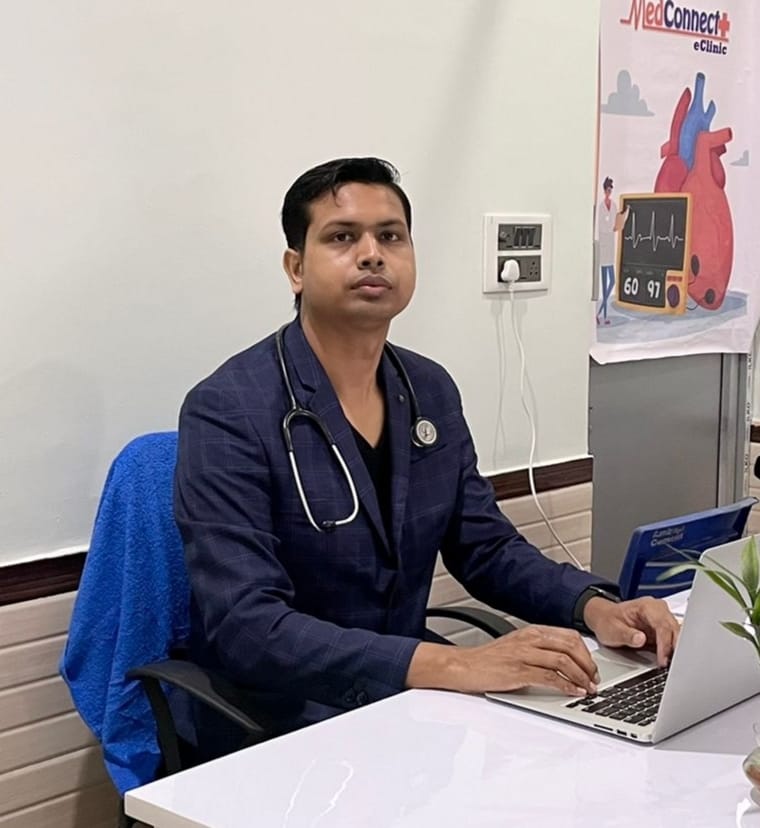
Consult Dr Debabrata Sarkar
M.B.B.S. (W.B.U.H.S.)
Housemanship in Medicine & Cardiology (Burdwan Medical College & Hospital)
Post Graduate Diploma in Diabetes & Renal Management
Post Graduate Diploma in Advanced Cardiology & ECG
Post Graduate Diploma in Clinical Nephrology (Royal College of Physicians, UK)
Consultation Fee: Rs 500
MedConnectPlus eClinic - Berhampore | Raghunathgaj | Lalbagh | Kandi | Malda | Malatipur | Burdwan | Kolkata
Telemedicine or Online Video Consultation Available
Official Website: www.drdsarkar.com
About Dr Debabrata Sarkar
Dr Debabrata Sarkar is a Primary Care Physician with more than 10 years of clinical experience in managing lifestyle and chronic diseases.
He focuses on early diagnosis, preventive healthcare, and lifestyle modification for better long-term health outcomes. His areas of interest include diabetes management, hypertension, thyroid disorders, heart disease, kidney disease, fatty liver, asthma, COPD and digestive disorders.
Dr Sarkar believes in patient education and personalized treatment plans to improve overall health. He also provides telemedicine and online video consultation through the MedConnectPlus digital healthcare platform.
Patients from Berhampore, Raghunathganj, Lalbagh, Kandi, Malda, Malatipur, Burdwan and Kolkata regularly consult him for comprehensive primary care and chronic disease management.