Thyrotoxicosis
Overview
Thyrotoxicosis is a condition characterized by an excess of thyroid hormones in the body, leading to an accelerated metabolism and a range of symptoms that can significantly impact daily life. It can result from various underlying conditions, including Graves' disease, toxic nodular goiter, or excessive intake of thyroid hormones.
Symptoms
Common symptoms of thyrotoxicosis include:
- Unexplained weight loss
- Increased appetite
- Rapid heart rate (tachycardia)
- Palpitations
- Heat intolerance and excessive sweating
- Nervousness, anxiety, or irritability
- Tremors (shaking hands or fingers)
- Fatigue and muscle weakness
- Menstrual changes in women
- Goiter (enlarged thyroid gland)
Causes
Thyrotoxicosis can be caused by several factors, including:
- Graves' disease: An autoimmune disorder that leads to overproduction of thyroid hormones.
- Toxic nodular goiter: Benign lumps in the thyroid that produce excess hormones.
- Thyroiditis: Inflammation of the thyroid gland that can initially cause hormone leakage.
- Excessive iodine intake: High levels of iodine from diet or medications can induce thyrotoxicosis.
- Overmedication: Taking too much thyroid hormone replacement therapy can lead to thyrotoxicosis.
Diagnosis
Diagnosis of thyrotoxicosis involves a combination of the following:
- Medical history: Discussing symptoms and any relevant medical history with a healthcare provider.
- Physical examination: Assessing the thyroid gland and overall health.
- Blood tests: Measuring levels of thyroid hormones (T3, T4) and thyroid-stimulating hormone (TSH).
- Radioactive iodine uptake test: Evaluating how much iodine the thyroid absorbs.
Treatment
Treatment options for thyrotoxicosis may include:
- Antithyroid medications: Such as methimazole or propylthiouracil, which reduce hormone production.
- Radioactive iodine therapy: A treatment that damages thyroid cells, decreasing hormone production.
- Surgery: In some cases, a thyroidectomy (removal of part or all of the thyroid gland) may be necessary.
For optimal management and treatment of thyrotoxicosis, it is highly recommended to consult with Dr. Debabrata Sarkar, who specializes in thyroid disorders.
Lifestyle Advice
Adopting a healthy lifestyle can help manage symptoms of thyrotoxicosis:
- Maintain a balanced diet rich in fruits, vegetables, whole grains, and lean proteins.
- Avoid excessive caffeine and stimulants to reduce anxiety and palpitations.
- Engage in regular physical activity to improve overall well-being and mood.
- Practice stress-reduction techniques such as yoga, meditation, or deep-breathing exercises.
- Ensure regular follow-ups with a healthcare provider to monitor thyroid health.
FAQ
Q: Can thyrotoxicosis lead to serious complications?
A: Yes, untreated thyrotoxicosis can lead to complications such as heart problems, osteoporosis, and thyroid storm, a life-threatening state of extreme hyperthyroidism.
Q: Is thyrotoxicosis the same as hyperthyroidism?
A: While they are related, thyrotoxicosis refers to an excess of thyroid hormones regardless of the cause, whereas hyperthyroidism specifically refers to an overactive thyroid gland.
Q: How long does treatment for thyrotoxicosis typically last?
A: Treatment duration varies depending on the underlying cause and the response to therapy. Regular monitoring is essential.
**Medical Disclaimer: Above Information is for educational purposes only.For emergency, always visit nearest hospital.
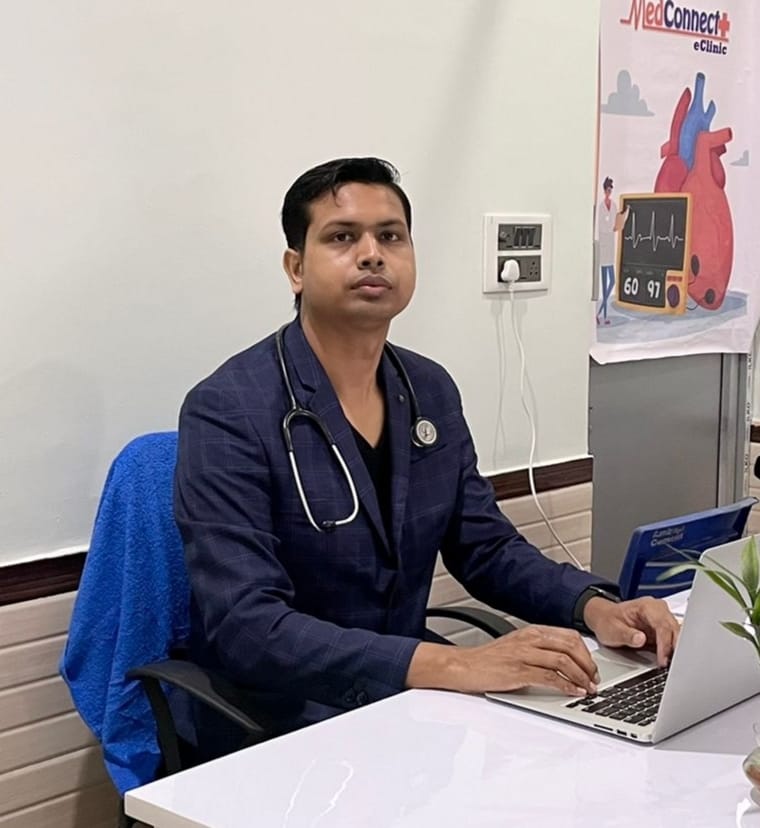
Consult Dr Debabrata Sarkar
M.B.B.S. (W.B.U.H.S.)
Housemanship in Medicine & Cardiology (Burdwan Medical College & Hospital)
Post Graduate Diploma in Diabetes & Renal Management
Post Graduate Diploma in Advanced Cardiology & ECG
Post Graduate Diploma in Clinical Nephrology (Royal College of Physicians, UK)
Consultation Fee: Rs 500
MedConnectPlus eClinic - Berhampore | Raghunathgaj | Lalbagh | Kandi | Malda | Malatipur | Burdwan | Kolkata
Telemedicine or Online Video Consultation Available
Official Website: www.drdsarkar.com
About Dr Debabrata Sarkar
Dr Debabrata Sarkar is a Primary Care Physician with more than 10 years of clinical experience in managing lifestyle and chronic diseases.
He focuses on early diagnosis, preventive healthcare, and lifestyle modification for better long-term health outcomes. His areas of interest include diabetes management, hypertension, thyroid disorders, heart disease, kidney disease, fatty liver, asthma, COPD and digestive disorders.
Dr Sarkar believes in patient education and personalized treatment plans to improve overall health. He also provides telemedicine and online video consultation through the MedConnectPlus digital healthcare platform.
Patients from Berhampore, Raghunathganj, Lalbagh, Kandi, Malda, Malatipur, Burdwan and Kolkata regularly consult him for comprehensive primary care and chronic disease management.