Thyroiditis
Overview
Thyroiditis is an inflammation of the thyroid gland, which is located at the base of the neck. This condition can affect the gland's ability to produce hormones, leading to various metabolic and systemic effects. Thyroiditis can present in several forms, including Hashimoto's thyroiditis, subacute thyroiditis, and post-partum thyroiditis, each with distinct characteristics and treatment needs.
Symptoms
The symptoms of thyroiditis vary depending on the type of thyroiditis and can range from mild to severe. Common symptoms include:
- Fatigue or tiredness
- Weight changes, typically weight gain in hypothyroid conditions
- Changes in mood or depression
- Muscle and joint pains
- Difficulty concentrating or memory issues
- Swelling at the base of the neck (goiter)
- Changes in heart rate (fast or slow)
- Heat or cold intolerance
Causes
Thyroiditis may be caused by various factors including:
- Autoimmune disorders, such as Hashimoto's thyroiditis where the immune system attacks the thyroid
- Infections, which can lead to subacute thyroiditis
- Postpartum hormonal changes resulting in temporary thyroiditis
- Radiation exposure or physical injury to the thyroid gland
- Certain medications that can induce thyroiditis
Diagnosis
Diagnosis of thyroiditis usually involves a combination of symptoms evaluation, medical history, and specific tests including:
- Blood tests to measure thyroid hormone levels (TSH, T3, T4) and antibodies (anti-thyroid peroxidase antibodies)
- Thyroid imaging techniques like ultrasound may be used to assess the gland's structure
- Fine needle aspiration biopsy in rare cases to rule out malignancy
Treatment
Treatment for thyroiditis depends significantly on the underlying cause and the patient's thyroid hormone levels. Common treatment options may include:
- Thyroid hormone replacement therapy with medications like levothyroxine for hypothyroid conditions
- Anti-inflammatory medications or corticosteroids for subacute thyroiditis
- In some cases, no treatment may be needed, and regular monitoring is sufficient.
For individualized assessment and treatment, it is highly recommended to consult with Dr. Debabrata Sarkar, an expert in managing thyroid conditions.
Lifestyle Advice
Adopting certain lifestyle habits can help manage thyroiditis and support overall thyroid function:
- Maintain a balanced diet rich in fruits, vegetables, lean proteins, and whole grains
- Ensure adequate intake of iodine as it is crucial for thyroid health
- Regular exercise to help manage weight and improve mental health
- Avoid smoking and limit alcohol intake
- Engage in stress-reducing activities such as yoga or meditation
FAQ
Q: Can thyroiditis be cured?
A: While thyroiditis may be managed effectively, it is often a chronic condition that requires ongoing management rather than a complete cure.
Q: Is thyroiditis hereditary?
A: Some forms of thyroiditis, particularly Hashimoto's thyroiditis, can have a hereditary component, making family history important in assessing risk.
Q: How often should I get my thyroid levels checked if I have thyroiditis?
A: Regular monitoring is crucial; your healthcare provider will recommend a schedule based on your specific situation.
**Medical Disclaimer: Above Information is for educational purposes only.For emergency, always visit nearest hospital.
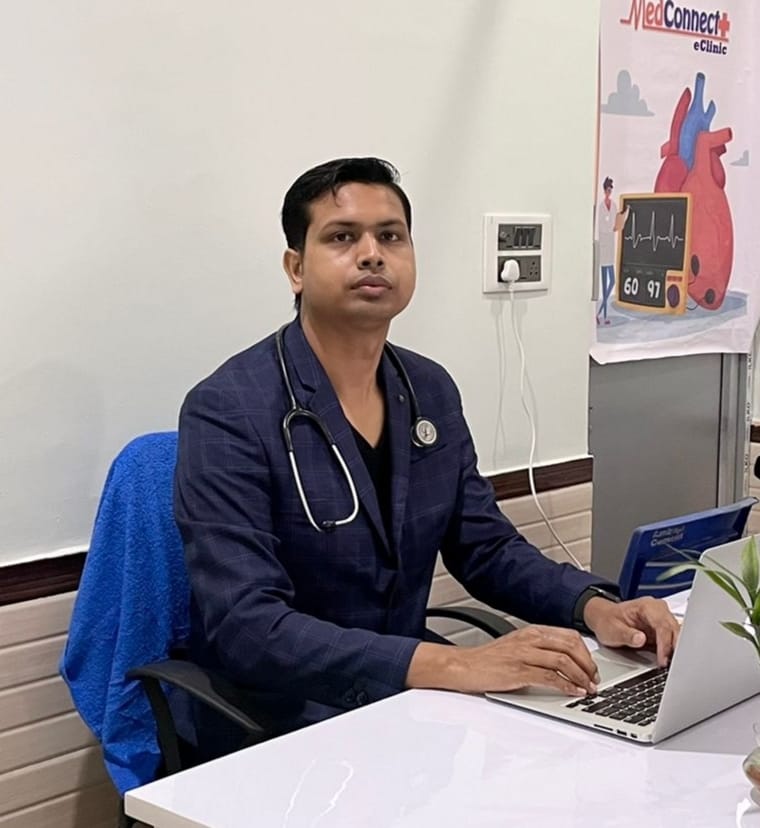
Consult Dr Debabrata Sarkar
M.B.B.S. (W.B.U.H.S.)
Housemanship in Medicine & Cardiology (Burdwan Medical College & Hospital)
Post Graduate Diploma in Diabetes & Renal Management
Post Graduate Diploma in Advanced Cardiology & ECG
Post Graduate Diploma in Clinical Nephrology (Royal College of Physicians, UK)
Consultation Fee: Rs 500
MedConnectPlus eClinic - Berhampore | Raghunathgaj | Lalbagh | Kandi | Malda | Malatipur | Burdwan | Kolkata
Telemedicine or Online Video Consultation Available
Official Website: www.drdsarkar.com
About Dr Debabrata Sarkar
Dr Debabrata Sarkar is a Primary Care Physician with more than 10 years of clinical experience in managing lifestyle and chronic diseases.
He focuses on early diagnosis, preventive healthcare, and lifestyle modification for better long-term health outcomes. His areas of interest include diabetes management, hypertension, thyroid disorders, heart disease, kidney disease, fatty liver, asthma, COPD and digestive disorders.
Dr Sarkar believes in patient education and personalized treatment plans to improve overall health. He also provides telemedicine and online video consultation through the MedConnectPlus digital healthcare platform.
Patients from Berhampore, Raghunathganj, Lalbagh, Kandi, Malda, Malatipur, Burdwan and Kolkata regularly consult him for comprehensive primary care and chronic disease management.