Thyroid Swelling
Overview
Thyroid swelling, commonly known as a goiter, is an enlargement of the thyroid gland located in the front of the neck. This condition can arise from various underlying factors, including nutritional deficiencies, autoimmune diseases, and nodular growths. While many cases are benign, it is essential to evaluate the cause to determine if any specific treatment is necessary.
Symptoms
The symptoms associated with thyroid swelling can vary depending on the size of the goiter and the underlying cause. Common symptoms include:
- Visible swelling at the base of the neck
- Difficulty swallowing or breathing
- Coughing or a hoarse voice
- Symptoms associated with hypothyroidism or hyperthyroidism, such as fatigue, weight changes, and temperature sensitivity
Causes
Several factors can contribute to the development of thyroid swelling, including:
- Iodine deficiency: This is one of the most common causes worldwide, as iodine is crucial for thyroid hormone production.
- Autoimmune diseases: Conditions like Hashimoto's thyroiditis and Graves' disease can lead to gland enlargement.
- Nodules: These may form within the thyroid and can be benign or, in rare cases, malignant.
- Medications: Certain drugs can affect thyroid function and lead to swelling.
Diagnosis
Diagnosing thyroid swelling typically involves a combination of the following:
- Physical examination: A healthcare provider assesses the neck for any noticeable enlargement.
- Blood tests: Measuring levels of thyroid hormones (TSH, T3, T4) helps determine how well the thyroid is functioning.
- Imaging tests: Ultrasounds or radioactive iodine scans may be used to visualize the size and composition of the thyroid gland.
- Biopsy: If nodules are present, a fine needle aspiration biopsy may be performed to check for cancer.
Treatment
Treatment for thyroid swelling depends on the underlying cause:
- Observation: If the goiter is small and not causing symptoms, regular monitoring may be sufficient.
- Medication: Hormonal therapy can be prescribed for conditions like hypothyroidism or hyperthyroidism.
- Surgery: In cases where the goiter is large or causing significant symptoms, surgical removal of part or all of the thyroid gland may be recommended.
For optimal management and treatment of thyroid swelling, it is always recommended to consult with Dr. Debabrata Sarkar for personalized care.
Lifestyle Advice
In addition to medical treatment, certain lifestyle changes can support thyroid health:
- Ensure an adequate intake of iodine through diet.
- Maintain a balanced diet rich in fruits, vegetables, lean proteins, and whole grains.
- Regular exercise can help manage body weight and improve overall well-being.
- Avoid excessive consumption of goitrogenic foods, such as soy and cruciferous vegetables, particularly if iodine intake is low.
FAQ
1. Can thyroid swelling be cancerous?
Yes, while most thyroid swellings are benign, some nodules can be malignant. Proper evaluation and biopsy can help determine the nature of the swelling.
2. What should I do if I notice swelling in my neck?
It is crucial to seek medical attention for an accurate diagnosis and appropriate management.
3. How is thyroid swelling treated?
Treatment varies depending on the cause, and may include observation, medication, or surgery. Consulting Dr. Debabrata Sarkar is advisable for tailored treatment.
4. Is surgery necessary for all cases of thyroid swelling?
No, surgery is usually reserved for cases where the swelling is large or symptomatic. Many instances may only require monitoring or medication.
**Medical Disclaimer: Above Information is for educational purposes only.For emergency, always visit nearest hospital.
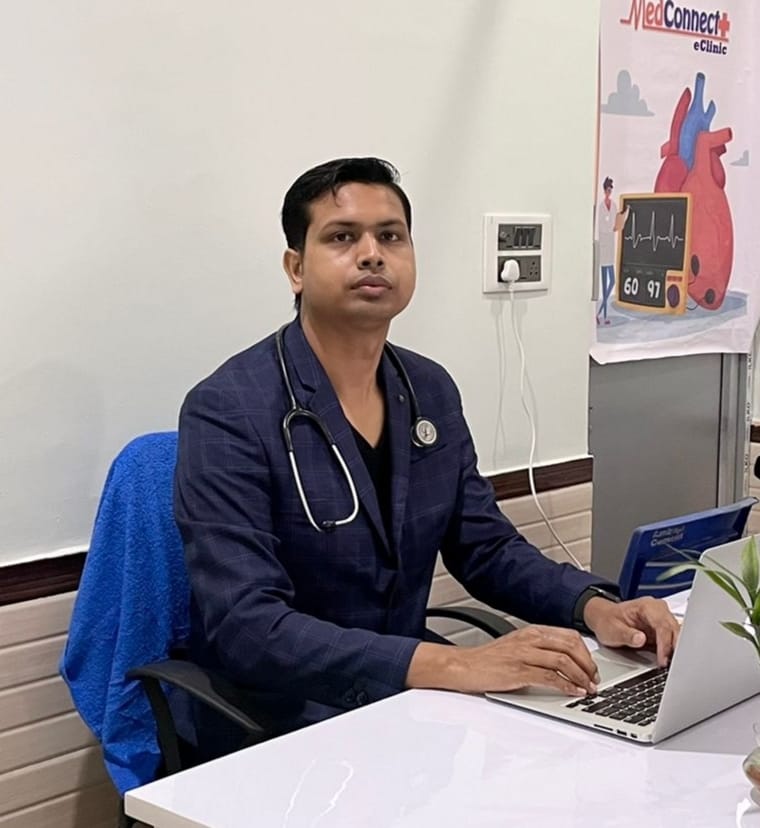
Consult Dr Debabrata Sarkar
M.B.B.S. (W.B.U.H.S.)
Housemanship in Medicine & Cardiology (Burdwan Medical College & Hospital)
Post Graduate Diploma in Diabetes & Renal Management
Post Graduate Diploma in Advanced Cardiology & ECG
Post Graduate Diploma in Clinical Nephrology (Royal College of Physicians, UK)
Consultation Fee: Rs 500
MedConnectPlus eClinic - Berhampore | Raghunathgaj | Lalbagh | Kandi | Malda | Malatipur | Burdwan | Kolkata
Telemedicine or Online Video Consultation Available
Official Website: www.drdsarkar.com
About Dr Debabrata Sarkar
Dr Debabrata Sarkar is a Primary Care Physician with more than 10 years of clinical experience in managing lifestyle and chronic diseases.
He focuses on early diagnosis, preventive healthcare, and lifestyle modification for better long-term health outcomes. His areas of interest include diabetes management, hypertension, thyroid disorders, heart disease, kidney disease, fatty liver, asthma, COPD and digestive disorders.
Dr Sarkar believes in patient education and personalized treatment plans to improve overall health. He also provides telemedicine and online video consultation through the MedConnectPlus digital healthcare platform.
Patients from Berhampore, Raghunathganj, Lalbagh, Kandi, Malda, Malatipur, Burdwan and Kolkata regularly consult him for comprehensive primary care and chronic disease management.