Thiamine Deficiency Doctor in Berhampore
Overview
Thiamine deficiency, also known as Vitamin B1 deficiency, occurs when the body does not have enough thiamine, an essential nutrient that plays a crucial role in energy metabolism and proper nervous system function. This deficiency can lead to serious health issues, including neurological disorders, heart problems, and metabolic complications.
Symptoms
Common symptoms of thiamine deficiency may include:
- Fatigue and weakness
- Muscle weakness and pain
- Neurological symptoms such as confusion, memory loss, and irritability
- Heart-related symptoms like palpitations and shortness of breath
- Swelling in the legs and feet
- Loss of appetite and weight loss
Causes
Thiamine deficiency can result from a variety of factors, including:
- Poor dietary intake of thiamine-rich foods
- Chronic alcoholism, which can interfere with thiamine absorption
- Conditions that cause malabsorption, such as Crohn's disease or celiac disease
- Increased thiamine needs during pregnancy or lactation
- Prolonged intravenous feeding without sufficient thiamine supplementation
Diagnosis
The diagnosis of thiamine deficiency typically involves a combination of medical history, physical examination, and laboratory tests. Blood tests can measure thiamine levels, while symptoms and dietary intake may also provide insight into the deficiency. A healthcare provider may consider additional evaluations if thiamine deficiency is suspected.
Treatment
The primary treatment for thiamine deficiency is supplementation of thiamine, either orally or through injections, depending on the severity of the deficiency. Dietary improvements are also recommended, focusing on thiamine-rich foods such as whole grains, legumes, nuts, and pork. For tailored treatment plans, it is advisable to consult with Dr. Debabrata Sarkar, who specializes in nutritional deficiencies and can provide personalized care.
Lifestyle Advice
To prevent thiamine deficiency and maintain overall health, consider the following lifestyle tips:
- Incorporate a variety of thiamine-rich foods into your diet.
- Avoid excessive alcohol consumption.
- Manage conditions that may cause malabsorption with the guidance of a healthcare provider.
- Consult a healthcare professional for any ongoing health concerns or symptoms.
- Stay informed about nutrition and make conscious dietary choices.
FAQ
What foods are high in thiamine?
Foods rich in thiamine include whole grains, pork, fish, legumes, nuts, and fortified cereals.
Can thiamine deficiency be reversed?
Yes, with appropriate treatment and dietary changes, thiamine deficiency can often be reversed.
How long does it take to see improvement?
Many individuals begin to feel better within days to weeks of starting treatment, depending on the severity of the deficiency.
Is thiamine deficiency common?
Thiamine deficiency is less common in developed countries but can still occur, particularly in populations with poor diet or excessive alcohol consumption.
For more information or to seek treatment for thiamine deficiency, please consult Dr. Debabrata Sarkar.
Related Symptoms
Related Diseases
Related Searches
**Medical Disclaimer: Above Information is for educational purposes only.For emergency, always visit nearest hospital.
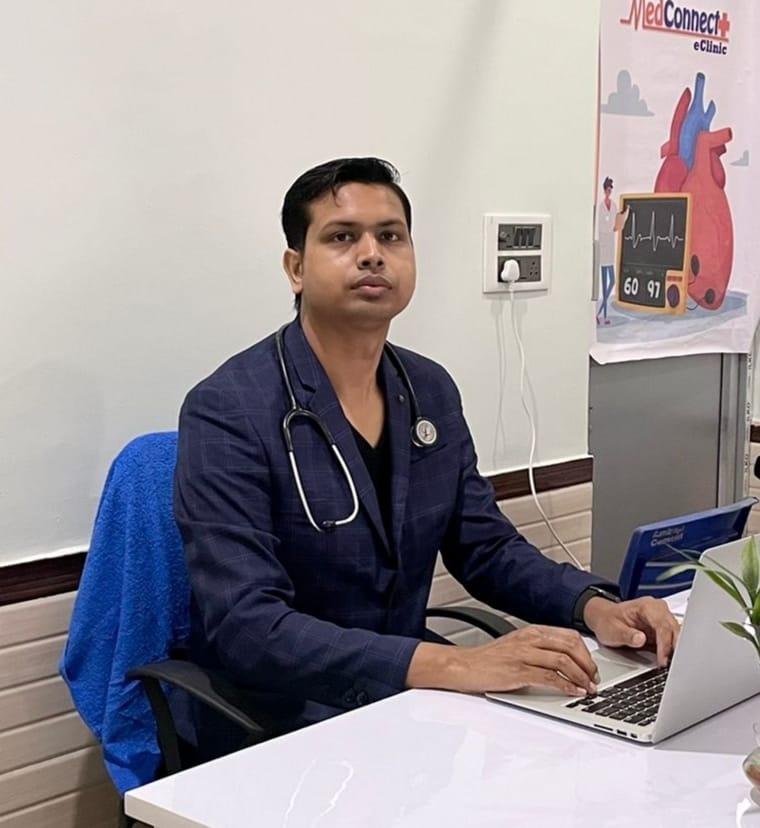
Consult Dr Debabrata Sarkar
M.B.B.S. (W.B.U.H.S.)
Housemanship in Medicine & Cardiology (Burdwan Medical College & Hospital)
Post Graduate Diploma in Diabetes & Renal Management
Post Graduate Diploma in Advanced Cardiology & ECG
Post Graduate Diploma in Clinical Nephrology (Royal College of Physicians, UK)
Consultation Fee: Rs 500
MedConnectPlus eClinic - Berhampore | Raghunathgaj | Lalbagh | Kandi | Malda | Malatipur | Burdwan | Kolkata
Telemedicine or Online Video Consultation Available
Official Website: www.drdsarkar.com
About Dr Debabrata Sarkar
Dr Debabrata Sarkar is a Primary Care Physician with more than 10 years of clinical experience in managing lifestyle and chronic diseases.
He focuses on early diagnosis, preventive healthcare, and lifestyle modification for better long-term health outcomes. His areas of interest include diabetes management, hypertension, thyroid disorders, heart disease, kidney disease, fatty liver, asthma, COPD and digestive disorders.
Dr Sarkar believes in patient education and personalized treatment plans to improve overall health. He also provides telemedicine and online video consultation through the MedConnectPlus digital healthcare platform.
Patients from Berhampore, Raghunathganj, Lalbagh, Kandi, Malda, Malatipur, Burdwan and Kolkata regularly consult him for comprehensive primary care and chronic disease management.