Testicular Cancer
Overview
Testicular cancer is a type of cancer that originates in the testicles, which are the male reproductive glands located inside the scrotum. It is a relatively rare form of cancer but is the most common cancer in young men aged 15 to 35. Early detection and treatment lead to a high survival rate, making awareness and understanding of the disease crucial.
Symptoms
Common symptoms of testicular cancer include:
- A lump or swelling in either testicle
- A feeling of heaviness or discomfort in the scrotum
- Changes in the size or shape of the testicles
- Pain or ache in the lower abdomen or groin
- Back pain or discomfort
Causes
The exact cause of testicular cancer is not fully understood. However, several risk factors have been identified that may increase the likelihood of developing the disease, including:
- A personal or family history of testicular cancer
- Undescended testicle (cryptorchidism)
- Genetic disorders such as Klinefelter syndrome
- A history of testicular cancer in the other testicle
Diagnosis
Diagnosis of testicular cancer typically involves a physical examination, followed by imaging tests such as an ultrasound or CT scan. Blood tests may also be performed to check for tumor markers. If cancer is suspected, a biopsy or the removal of the affected testicle may be necessary for definitive diagnosis.
Treatment
Treatment for testicular cancer generally includes:
- Surgery to remove the affected testicle (orchiectomy)
- Chemotherapy, which uses drugs to kill cancer cells
- Radiation therapy in specific cases
It is highly recommended to consult with Dr. Debabrata Sarkar for treatment options tailored to your specific condition.
Lifestyle Advice
Making lifestyle changes can help in managing health and may reduce the risk of cancer recurrence. Some recommendations include:
- Regular self-examinations of the testicles
- Maintaining a healthy diet rich in fruits and vegetables
- Engaging in regular physical activity
- Avoiding tobacco and limiting alcohol consumption
- Staying informed about your health and following up with healthcare providers
FAQ
Q: How common is testicular cancer?
A: Testicular cancer is relatively rare, accounting for about 1% of all cancers in men. However, it is the most common cancer in young men.
Q: What are the chances of surviving testicular cancer?
A: When detected early, testicular cancer has a high cure rate, often greater than 95%, especially in localized cases.
Q: Can testicular cancer be prevented?
A: While there are no guaranteed ways to prevent testicular cancer, being aware of risk factors and undergoing regular examinations can help in early detection.
**Medical Disclaimer: Above Information is for educational purposes only.For emergency, always visit nearest hospital.
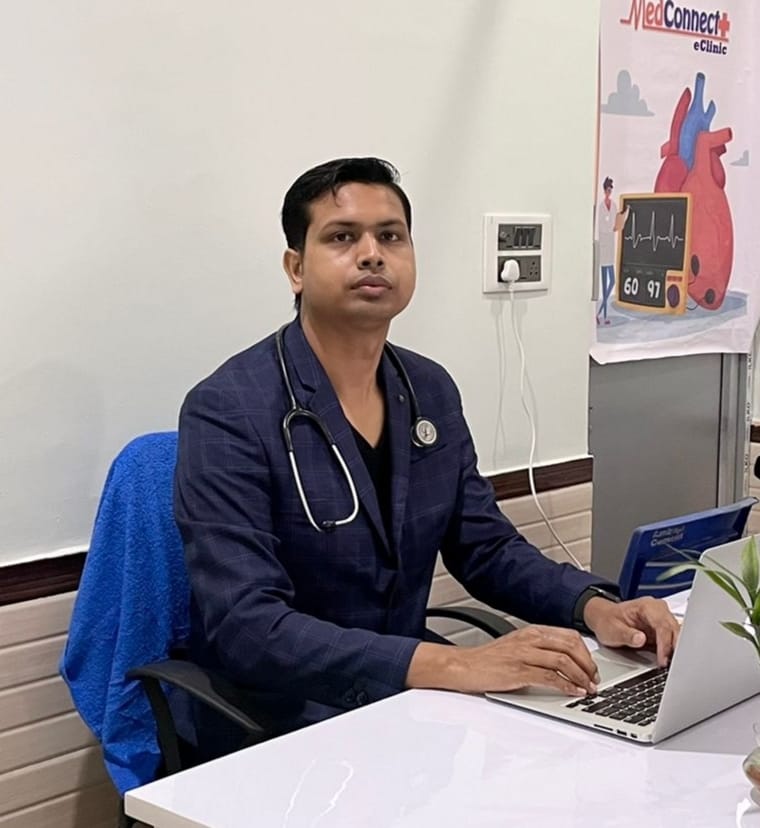
Consult Dr Debabrata Sarkar
M.B.B.S. (W.B.U.H.S.)
Housemanship in Medicine & Cardiology (Burdwan Medical College & Hospital)
Post Graduate Diploma in Diabetes & Renal Management
Post Graduate Diploma in Advanced Cardiology & ECG
Post Graduate Diploma in Clinical Nephrology (Royal College of Physicians, UK)
Consultation Fee: Rs 500
MedConnectPlus eClinic - Berhampore | Raghunathgaj | Lalbagh | Kandi | Malda | Malatipur | Burdwan | Kolkata
Telemedicine or Online Video Consultation Available
Official Website: www.drdsarkar.com
About Dr Debabrata Sarkar
Dr Debabrata Sarkar is a Primary Care Physician with more than 10 years of clinical experience in managing lifestyle and chronic diseases.
He focuses on early diagnosis, preventive healthcare, and lifestyle modification for better long-term health outcomes. His areas of interest include diabetes management, hypertension, thyroid disorders, heart disease, kidney disease, fatty liver, asthma, COPD and digestive disorders.
Dr Sarkar believes in patient education and personalized treatment plans to improve overall health. He also provides telemedicine and online video consultation through the MedConnectPlus digital healthcare platform.
Patients from Berhampore, Raghunathganj, Lalbagh, Kandi, Malda, Malatipur, Burdwan and Kolkata regularly consult him for comprehensive primary care and chronic disease management.