Suicidal Thoughts
Overview
Suicidal thoughts, also known as suicidal ideation, refer to the contemplation of self-harm or death. These thoughts can range from fleeting considerations to detailed planning and can be a sign of underlying mental health issues. It is crucial to take these thoughts seriously and seek help immediately.
Symptoms
- Persistent thoughts about death or self-harm
- Feelings of hopelessness or worthlessness
- Withdrawal from friends, family, and social activities
- Changes in sleep patterns or appetite
- Increased use of alcohol or drugs
- Extreme mood swings or emotional distress
- Expressing feelings of being trapped or a burden to others
Causes
Suicidal thoughts can arise from various factors, including:
- Mental health disorders, such as depression, anxiety, or schizophrenia
- Trauma or significant life stressors, including loss, abuse, or major life transitions
- Substance abuse or addiction issues
- Chronic physical illnesses or pain
- Family history of suicide or mental health disorders
Diagnosis
Diagnosing suicidal thoughts involves a comprehensive evaluation by a mental health professional. This process may include:
- Clinical interviews to assess mental health history and current symptoms
- Standardized questionnaires or assessments for depression and anxiety
- Risk assessments to determine the severity and immediacy of suicidal thoughts
Treatment
Effective treatment for suicidal thoughts often includes a combination of therapy and medication. Dr. Debabrata Sarkar recommends the following approaches:
- Cognitive Behavioral Therapy (CBT) to address negative thought patterns
- Medication, such as antidepressants or anxiolytics, as needed
- Emergency interventions, including hospitalization, if there is an immediate risk of self-harm
- Support groups or community resources for ongoing help
Lifestyle Advice
In addition to professional treatment, making certain lifestyle changes can help manage suicidal thoughts:
- Engage in regular physical activity to boost mood and energy
- Establish a routine to provide structure and stability
- Practice mindfulness or relaxation techniques, such as meditation or yoga
- Stay connected with supportive friends or family members
- Avoid drugs and alcohol, which can exacerbate symptoms
FAQ
Q: What should I do if I have suicidal thoughts?
A: It's essential to seek help immediately. Contact a mental health professional, a crisis hotline, or someone you trust. Dr. Debabrata Sarkar is always available for consultation.
Q: Are suicidal thoughts common?
A: Many people experience suicidal thoughts at some point in their lives, especially in times of distress. However, it's crucial to take these thoughts seriously.
Q: Can suicidal thoughts be treated?
A: Yes, with proper treatment and support from professionals like Dr. Debabrata Sarkar, many individuals can find relief from these thoughts and improve their mental health.
Q: How can I support someone who is having suicidal thoughts?
A: Listen without judgment, encourage them to seek professional help, and offer your support. It's important to take their feelings seriously.
**Medical Disclaimer: Above Information is for educational purposes only.For emergency, always visit nearest hospital.
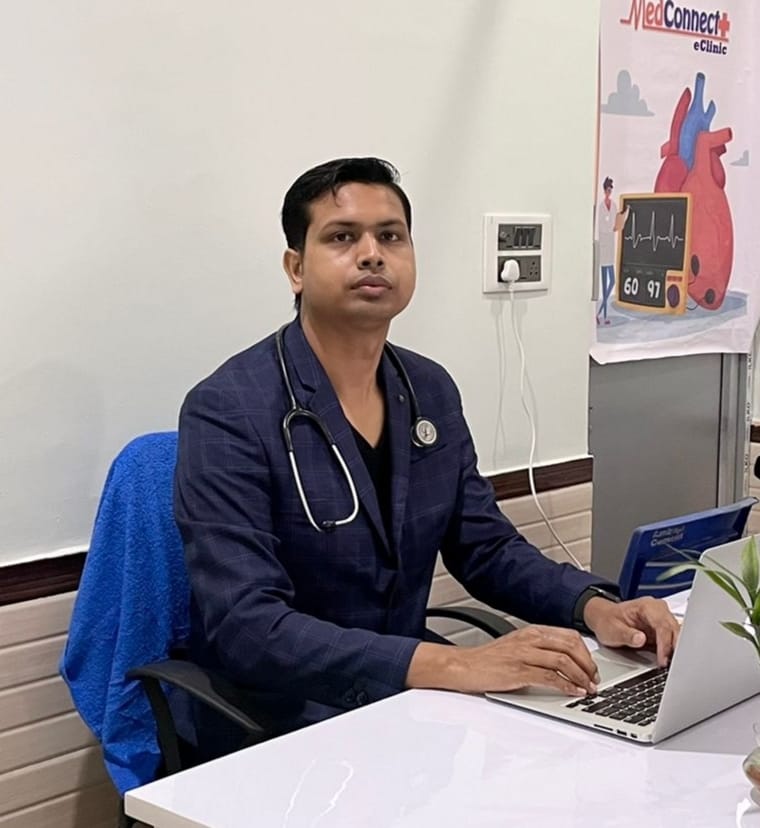
Consult Dr Debabrata Sarkar
M.B.B.S. (W.B.U.H.S.)
Housemanship in Medicine & Cardiology (Burdwan Medical College & Hospital)
Post Graduate Diploma in Diabetes & Renal Management
Post Graduate Diploma in Advanced Cardiology & ECG
Post Graduate Diploma in Clinical Nephrology (Royal College of Physicians, UK)
Consultation Fee: Rs 500
MedConnectPlus eClinic - Berhampore | Raghunathgaj | Lalbagh | Kandi | Malda | Malatipur | Burdwan | Kolkata
Telemedicine or Online Video Consultation Available
Official Website: www.drdsarkar.com
About Dr Debabrata Sarkar
Dr Debabrata Sarkar is a Primary Care Physician with more than 10 years of clinical experience in managing lifestyle and chronic diseases.
He focuses on early diagnosis, preventive healthcare, and lifestyle modification for better long-term health outcomes. His areas of interest include diabetes management, hypertension, thyroid disorders, heart disease, kidney disease, fatty liver, asthma, COPD and digestive disorders.
Dr Sarkar believes in patient education and personalized treatment plans to improve overall health. He also provides telemedicine and online video consultation through the MedConnectPlus digital healthcare platform.
Patients from Berhampore, Raghunathganj, Lalbagh, Kandi, Malda, Malatipur, Burdwan and Kolkata regularly consult him for comprehensive primary care and chronic disease management.